
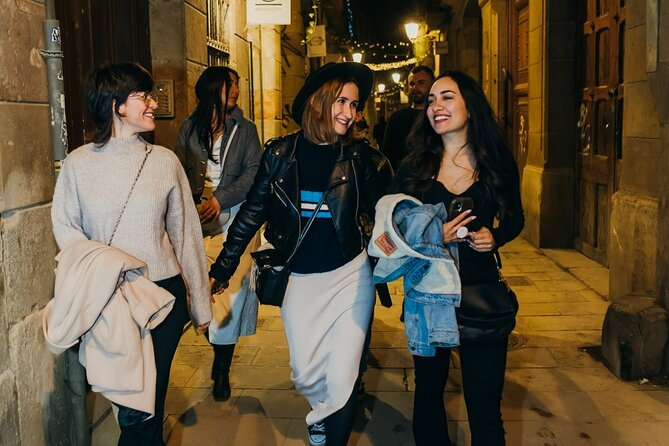
Reviewed · BARCELONA WALKING TOURS
Barcelona Marvels: A Guided Walking Tour of the City’s Highlights
Barcelona’s old center packs Roman ruins, medieval power, Catalan memory, and some wonderfully odd legends into a small area. This two-hour walking tour connects those pieces from Els 4 Gats to Santa Maria del Mar, so you spend less time hunting for alleyways and more time understanding what you’re seeing.
I like the route for two clear reasons: it links major sights with small details, such as the Roman wall beside Casa de l’Ardiaca, and it gives Catalan history a human face through stories of artists, saints, war, and independence. The main consideration is pace. You’ll walk and stand for about two hours, and the cathedral and Santa Maria del Mar may involve admission costs not covered by the $22.83 tour price.
Key points at a glance
- Picasso and Gaudí’s old meeting place: Begin at Els 4 Gats, a modernist restaurant tied to Barcelona’s artistic past.
- Eleven stops in the Gothic Quarter: The route includes squares, churches, a former Jewish district, Roman remains, and royal buildings.
- Stories, not just photo stops: Guides explain legends linked to Santa Eulalia, the Bishop’s Bridge, Catalan independence, and the Spanish Inquisition.
- A useful first look at Barcelona: The walk finishes near El Born, giving you a good base for later exploring.
- Small enough to stay personal: The maximum group size is 20 people.
- Strong guide-led experience: Mariah, Sara, Rolene, Tamara, Jamie, Petra, Darrin, Craig, and others receive praise for humor, clarity, patience, and helpful local suggestions.
Why this route works for a first day
I would use this tour early in a Barcelona visit. It gives you a working map of the old center and explains why the Gothic Quarter is more than a collection of handsome stone lanes.
The route is compact but varied. You move from an artists’ café to a public mosaic, then through church squares, Roman remains, a former Jewish district, government buildings, a royal palace, and a medieval basilica. That variety keeps the walk from feeling like one long sequence of church façades.
The English-speaking guide is the key part of the experience. The streets can be confusing, especially around Plaça Nova and the smaller lanes near the cathedral. One person had trouble finding the meeting point without an internet connection, so I would arrive early and use the exact starting point, Plaça del Vuit de Març, rather than relying on a nearby name such as Plaça Nova.
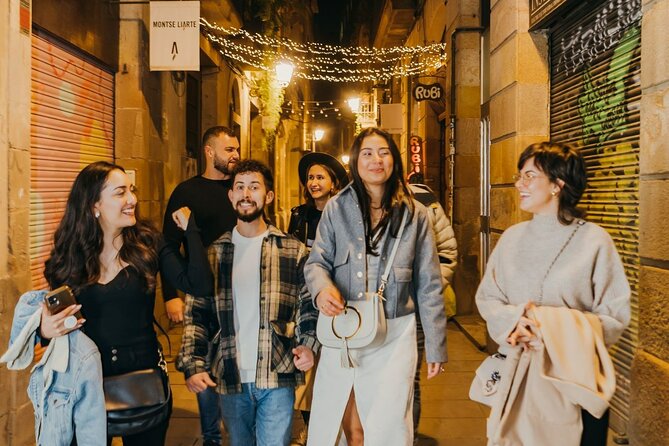
The group can include up to 20 people. That is not an intimate private walk, but it is still small enough for a guide to answer questions and keep the group together. The tour is offered with a mobile ticket and runs near public transportation, which makes it easy to fit into a day of sightseeing.
More Barcelona Walking Tours:
- Barcelona Tapas and Wine Experience Small-Group Walking Tour
★ 5.0 · 5,804 reviews - Barcelona: Tapas Walking Tour with Food, Wine, and History
★ 4.8 · 4,261 reviews - Barcelona Tapas Walking Tour: Food, Wine & History
★ 4.5 · 1,928 reviews
Els 4 Gats and Barcelona’s artistic past

The first stop is Els 4 Gats, a restaurant inside Casa Martí. Its importance is cultural as much as architectural. Pablo Picasso and Antoni Gaudí were among the artists associated with the place, and the building helps explain the creative energy of turn-of-the-century Barcelona.
You spend about 10 minutes here, so do not expect a long architectural visit. The value comes from the setting and the story. A guide can show you why this restaurant matters before the route moves into the older streets.
This is a smart opening stop because it sets up one of Barcelona’s recurring themes: old buildings are rarely only old buildings. They carry stories about artists, politics, religion, and changing ideas about the city.
The kiss mosaic and Catalan memory
El Món Neix en Cada Besada, or The World Begins with Every Kiss, looks at first like a giant image of two people kissing. Its small ceramic tiles form a larger picture, and the guide explains the connection to war, freedom, and the Catalan independence movement.
This is one of the route’s more modern stops. It gives you a break from medieval architecture and shows how Barcelona continues to use public art to talk about memory and identity.
The stop lasts about 10 minutes and is free to view. I like this part because it makes Catalan culture feel current rather than locked in the past. Listen closely to the explanation, since the image itself does not reveal the full story.
Barcelona Cathedral and the story of Santa Eulalia
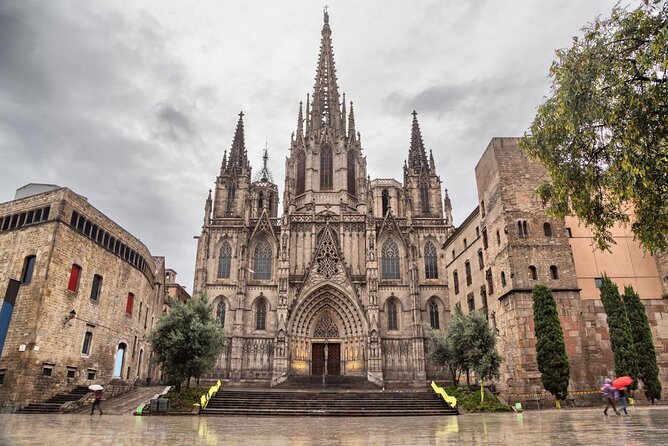
The Cathedral of Barcelona brings you into the religious center of the old city. Its Gothic exterior is impressive, but the guide focuses on the story of Barcelona’s patron saint, Santa Eulalia, and the brutal end she suffered.
That legend gives the building a stronger human connection. You are not simply looking at arches and stonework. You are hearing why the cathedral became important to Barcelona and how local faith shaped the city’s identity.
The listed admission cost is not included, so check the conditions at booking and be prepared for the possibility that you will see the cathedral from outside or pay separately to enter. The 10-minute schedule also suggests a focused introduction rather than a full interior visit.
A different sort of day out in Barcelona:
- Barcelona: Park Güell Admission Ticket
★ 4.4 · 76,534 reviews - Barcelona: Casa Batlló Entry with Self-Audioguide Tour
★ 4.7 · 25,359 reviews - Barcelona: 24 or 48-Hour Hop-On Hop-Off Bus Tour
★ 4.4 · 20,872 reviews - Barcelona: Park Guell Guided Tour with Skip The Line Entry
★ 4.7 · 17,563 reviews
Roman Barcelona beside Casa de l’Ardiaca
Casa de l’Ardiaca is a small house beside the cathedral, but its compact size hides a much older story. Roman wall remains and aqueducts dating to the first century BC can be found here.
This is exactly the sort of detail that is easy to miss when walking alone. You might pass the building while concentrating on the cathedral, yet the Roman remains help explain how long Barcelona has occupied this site.
I find this stop especially useful because it shifts the timeline backward. In a few minutes, the walk moves from medieval religious Barcelona to the Roman city beneath it.
The Bishop’s Bridge and a local mystery
Pont del Bisbe is one of the most photographed corners of the Gothic Quarter. Its neo-Gothic design looks old enough to belong to the Middle Ages, and its famous legend gives the bridge an air of mystery.
The guide’s role matters here. A quick photograph tells you what the bridge looks like, but not why people attach stories to it or how its style fits the quarter around it.
There is no admission charge, and the stop takes about 10 minutes. Expect a popular photo point, with the group pausing while the guide explains the details and keeps everyone moving through the narrow streets.
Plaça Sant Felip Neri and the scars of war
Plaça Sant Felip Neri is one of the quietest and most solemn spaces on the route. Its walls still bear scars from a violent period in Barcelona’s past, and the guide uses the square to explain difficult parts of Catalan history.
This is not a cheerful photo stop. It asks you to slow down and consider how war and political conflict remain visible in the city’s buildings.
The square’s small size makes a guide especially helpful. The physical marks are easy to overlook, and the meaning of the place is not obvious without context. Give this stop your attention rather than treating it as a quick pause between larger sights.
El Call and the city’s Jewish quarter
MUHBA El Call marks the former Jewish district of Barcelona. The area combines documented history with local legends, and the walk places it within the wider story of the Gothic Quarter.
You get a useful reminder here that medieval Barcelona was shaped by different communities and traditions. The stop adds social history to a route that could otherwise focus too heavily on rulers and churches.
The visit is free and lasts about 10 minutes. Since the tour covers a former district rather than one single monument, the guide’s explanation is what turns the lanes into a meaningful part of the route.
Plaça de Sant Jaume and Catalan government
Plaça de Sant Jaume is the political heart of the Gothic Quarter. The square includes Barcelona City Hall and the seat of the Catalan government, making it a natural place to discuss the region’s political identity.
The stop also connects to the story of one of Catalonia’s most beloved saints. That mix of government, public ceremony, religion, and regional pride helps explain why the square remains important.
I like this pause because it links what you have already seen with present-day Barcelona. The city’s past is not presented as something sealed away in museums. It still shapes the symbols and institutions around you.
Plaça del Rei and the darker royal past
Plaça del Rei provides a more imposing setting. Here, the guide turns to the royal palace and the Spanish Inquisition, bringing out a darker side of Barcelona’s past.
The square’s beauty can make it easy to focus only on the architecture. The historical account adds weight and reminds you that royal buildings were places of power, judgment, and fear as well as ceremony.
Again, the 10-minute stop is an introduction. If you want a detailed visit to the surrounding museums or palace buildings, you will need separate time beyond the tour.
Plaça de l’Àngel and the legend of Santa Eulalia
Plaça de l’Àngel was once known as Wheat Square. Its current name comes from the story of a procession connected with Santa Eulalia and a heavenly apparition.
This is a good example of the tour’s approach. A plain-looking city square becomes more memorable when you know how its name changed and which legend is attached to it.
The stop is free and brief. Pay attention to the transition between locations, since the guide may be explaining how the streets and squares fit together as the group walks.
Santa Maria del Mar and the El Born finish
The final stop is the Basilica of Santa Maria del Mar, at Plaça de Santa Maria in El Born. The basilica is tied to Barcelona’s maritime past and serves as a fitting end to a route through the old city.
You arrive with more context for the neighborhood than you had at the beginning. The churches, markets, streets, and former trading areas of Barcelona make more sense when you understand the city’s relationship with the sea.
Admission is not included here either. The scheduled stop gives you an introduction, while a separate visit would let you spend more time inside. The end point is useful for continuing on foot through El Born after the group finishes.
What the guides add
The strongest part of this experience is the human delivery. Mariah is praised for waiting for slower members of the group and for sharing engaging stories and insider suggestions. Sara receives particular credit for humor, storytelling, and food and cultural recommendations.
Rolene is described as friendly, clear, and good at making Barcelona’s past relatable. Tamara is praised for handling busy areas and changing the route to avoid crowds. Jamie, Petra, Darrin, Craig, Vanessa, and other guides are also credited with warmth, humor, patience, and solid command of the city’s history.
Guides can vary, of course. Still, the repeated pattern is clear: this tour depends less on a rehearsed list of dates and more on stories that help you remember places. That is valuable in the Gothic Quarter, where many buildings can blur together after an hour.
Price, pace, and practical value
At $22.83 per person, the tour is fairly priced for a two-hour guided walk through central Barcelona. You are paying for route planning, interpretation, and the ability to connect 11 stops without constantly checking a map.
Most stops are free, but cathedral and basilica admission are not included. That keeps the base price low, though you should allow extra money if you want to enter either religious building.
The walk is not a ride, and you should expect about two hours of walking and standing. Most people can participate, and the tour is near public transportation, but narrow lanes and crowded squares can make the route less comfortable for anyone who needs frequent rest.
The activity is usually booked about 27 days ahead. That suggests you should reserve before a busy Barcelona trip rather than wait until the last day, especially if you want a particular date or guide.
Free cancellation is available up to 24 hours before the start time. Cancellations or changes inside that window are not refunded or accepted, and the cut-off uses local Barcelona time.
Who should book this Barcelona walk
I would recommend it to first-time visitors, history fans, and anyone who wants a useful orientation before exploring on their own. It is also a good choice if you tried walking the Gothic Quarter alone and found the lanes confusing.
You will get the most from it if you enjoy stories as much as monuments. The tour covers many places quickly, so it is not designed for long museum visits, detailed church architecture, or quiet photography at every stop.
Families and mixed-age groups can fit in, though everyone should be ready for steady walking and standing. The maximum group of 20 keeps it manageable, but this is still a shared experience rather than a private tour.
Should you book it?
Book this tour if you want Barcelona’s old center explained through legends, politics, religion, art, and everyday city life. The route gives you a strong first look at the Gothic Quarter and ends in El Born, where you can continue exploring.
Skip it if you prefer to move at your own pace, spend a long time inside each church, or avoid group walks. For $22.83, though, it offers a practical introduction with a lot of historical variety, and the guides’ storytelling can turn easily missed corners into places you remember.
FAQ
How long does the Barcelona walking tour last?
The tour lasts approximately two hours.
What language is the tour offered in?
The tour is offered in English.
Where does the tour start?
It starts at Plaça del Vuit de Març in Ciutat Vella, Barcelona.
Where does the tour end?
It ends at the Basilica of Santa Maria del Mar, at Plaça de Santa Maria, 1, in Ciutat Vella.
How much does the tour cost?
The listed price is $22.83 per person.
What landmarks are included?
The route includes Els 4 Gats, El Món Neix en Cada Besada, Barcelona Cathedral, Casa de l’Ardiaca, Pont del Bisbe, Plaça Sant Felip Neri, MUHBA El Call, Plaça de Sant Jaume, Plaça del Rei, Plaça de l’Àngel, and Santa Maria del Mar.
Are cathedral and basilica admission tickets included?
No. Admission tickets for Barcelona Cathedral and Santa Maria del Mar are not included.
How large is the group?
The tour has a maximum of 20 participants.
Can I cancel for a full refund?
Yes. You can cancel up to 24 hours before the experience start time for a full refund. Changes or cancellations made less than 24 hours before the start time are not accepted or refunded.
Recently added around Barcelona
- Montserrat very early : Hiking, Abbey, very small group★ 5.0 · 127 reviews
- Guided Private Yacht Tour in Barcelona Spain★ 5.0 · 6 reviews
- Private Tour from Barcelona to Montserrat (with guide)★ 4.5 · 6 reviews
- Private Tour from Barcelona to Costa Brava (with guide)★ 5.0 · 5 reviews
- Barcelona Gaudi Tour: Sagrada Familia, Casa Batllo & Casa Mila★ 5.0 · 4 reviews
- Street Art, Sculptures & Crime Stories Walking Tour – Barcelona★ 5.0 · 11 reviews
- Andorra Tour★ 4.0 · 7 reviews
- Wine Tasting in Barcelona (Catalan Varieties) Small Groups★ 5.0 · 10 reviews
Barcelona Walking Tours, compared.

Barcelona Tapas and Wine Experience Small-Group Walking Tour
Read our review →
Tapas Walking Tour with Food, Wine, and History
Read our review →
Barcelona Tapas Walking Tour: Food, Wine & History
Read our review →

Gothic Quarter Ghosts and Legends Walking Tour
Read our review →
Barcelona Helicopter, Sailboat & Old Town Private Walking Tour
Read our review →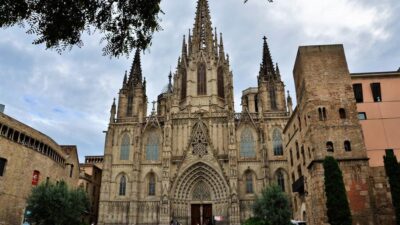

Helicopter Flight, Boat Ride, and Walking Tour
Read our review →Browse the lists this tour appears in