
Reviewed · BARCELONA WINE AND CAVA TOURS
Penedès Vine to Wine: Personalized Cava taste&craft Workshop
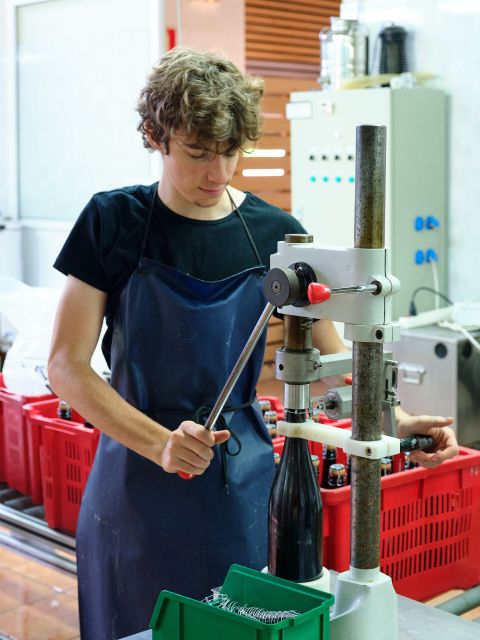
The best part of this three-hour Cava workshop comes at the end: you choose the bottle you like most, then disgorge and finish it yourself. You cork it, add the bottle top, attach the label, and take home a proper reminder of your time in Catalonia. This is not just a tasting. It is a hands-on cellar visit.
I like the peaceful countryside setting and the chance to see a 14th-century farmhouse, vineyards, cellar, and production room in one visit. I also like the warm, easygoing guiding style praised by visitors, especially Marti, whose humor and clear explanations help make the technical side of Cava simple.
The main consideration is transport. The winery is outside Barcelona, and lunch is not included. The tasting also comes without food, so plan ahead if you need more than wine during the three-hour visit.
Key Points
- Finish your own bottle: Disgorge, cork, top, and label a Cava bottle by hand.
- Visit a 14th-century farmhouse: See an old rural Catalan setting as part of the cellar tour.
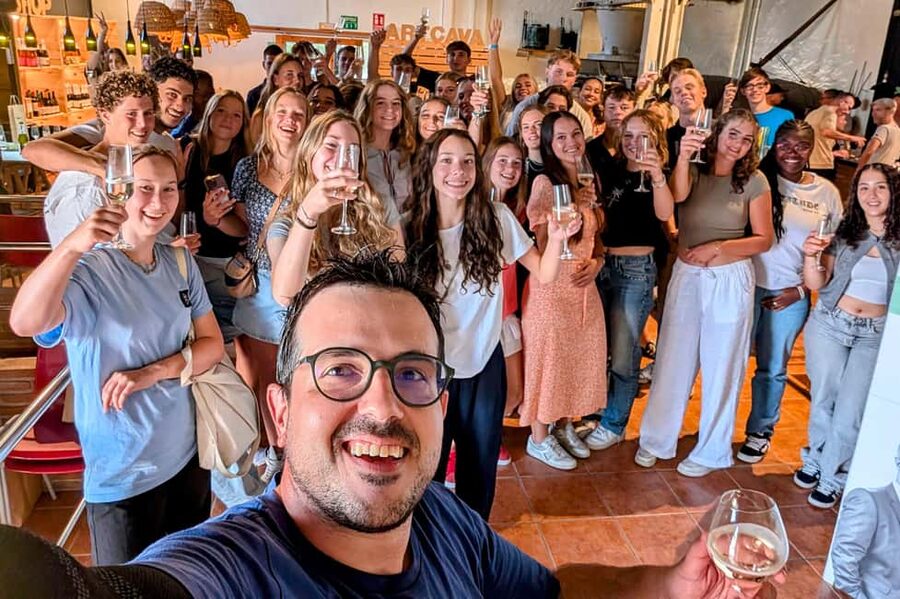
- Taste several Cavas: Enjoy a commented tasting and choose the Cava you prefer for your bottle.
- Reach the countryside by train: The R4 line from Barcelona takes about an hour to Lavern-Subirats.
- Arrange station pickup: The winery can collect you at Lavern-Subirats, with advance notice.
- Meet a relaxed English-speaking guide: Marti is praised for his humor, friendly manner, and clear explanations.
Why This Cava Workshop Feels Different
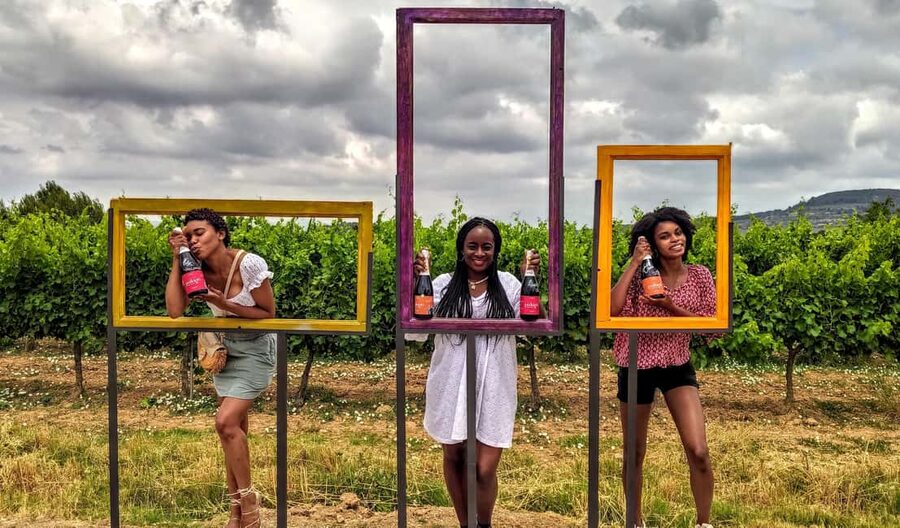
Many wine visits end after a few pours and a look at the barrels. This one gives you a job to do. You do not simply hear how Cava is made. You handle the final stage yourself and leave with a bottle that carries your own label.
That makes the experience particularly appealing if you want more than a standard tasting. The workshop gives the visit a clear shape: old house, vineyards, cellar, tasting, and hands-on production. You can follow the story of the wine from the Catalan countryside to the finished bottle.
The setting also helps. Instead of staying in a city tasting room, you head into the Penedès countryside, where vineyards and farm buildings give the drink a sense of place. The trip takes effort, but that is part of the point. You get a break from Barcelona’s crowds and a slower three hours among the vines.
The tone matters, too. Marti is singled out for making the experience feel relaxed and personal. His humor and straightforward explanations are useful here because Cava production can sound technical at first. A good guide turns unfamiliar terms and cellar work into something you can follow without needing a background in wine.
More Barcelona Wine and Cava Tours:
- Montserrat & Cogwheel Train, Gourmet Wine Tasting & Tapas/Lunch
★ 5.0 · 6,290 reviews - Montserrat with Black Madonna & Medieval Winery with Tapas/Lunch
★ 5.0 · 5,209 reviews - Barcelona: Montserrat and Winery Tour with Tapas or Lunch
★ 4.8 · 4,695 reviews
Arriving at the 14th-Century Farmhouse
The visit begins with the old farmhouse, one of the most distinctive parts of the experience. You explore a building dating from the 14th century, then connect that rural setting with the modern work of producing Cava.
The farmhouse gives you a sense of the place before the tasting begins. You are not entering only a cellar built for visitors. You are seeing an old Catalan property tied to the surrounding vineyards and winery.
I would give this stop your full attention rather than rushing toward the tasting. The farmhouse is part of what makes the outing feel local. It also gives the guide a natural way to explain how the property and winemaking fit together.
Do not expect a large museum or a long architectural tour. The information provided describes a visit to the farmhouse as one part of a three-hour workshop, not a separate heritage program. Its value is in the atmosphere and connection to the winery.
Walking Through the Penedès Vineyards
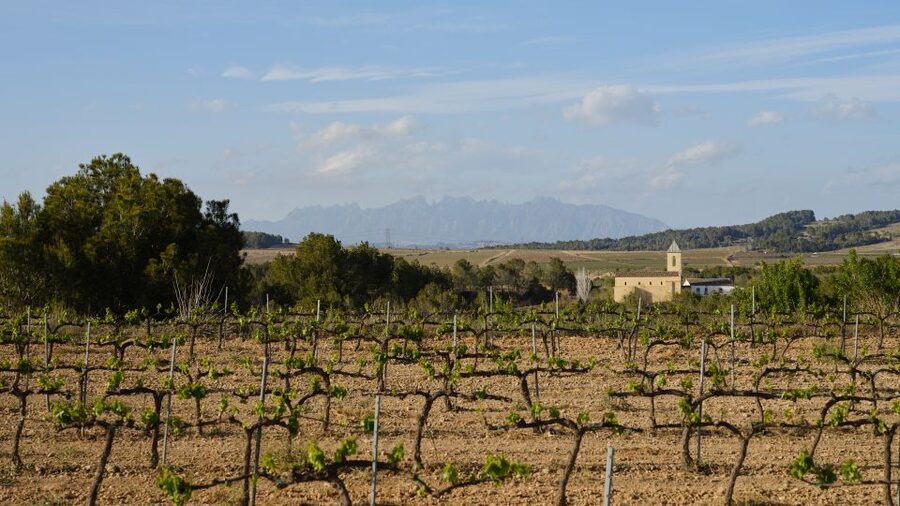
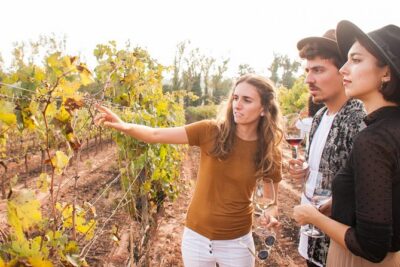
The vineyard visit takes you outside for a walk among the vines. This is a simple part of the program, but it helps explain where Cava begins. After seeing the farmhouse, you get a closer look at the countryside that supplies the setting for the wine.
I like this order. You first see the old property, then the growing environment, and later the cellar where the wine is handled. The sequence gives you more than a tasting flight because each stop adds another part of the production story.
The vineyard walk also gives you a change of pace. A three-hour workshop could feel cramped if it stayed indoors from start to finish. The outdoor section adds breathing room and makes the countryside escape feel real rather than just a line in the description.
The walk is part of the scheduled visit, but the information does not specify its length or terrain. Wear practical shoes, especially if you prefer comfort on rural paths. That is sensible preparation, not a promise about the exact ground conditions.
Inside the Cellar and Elaboration Room
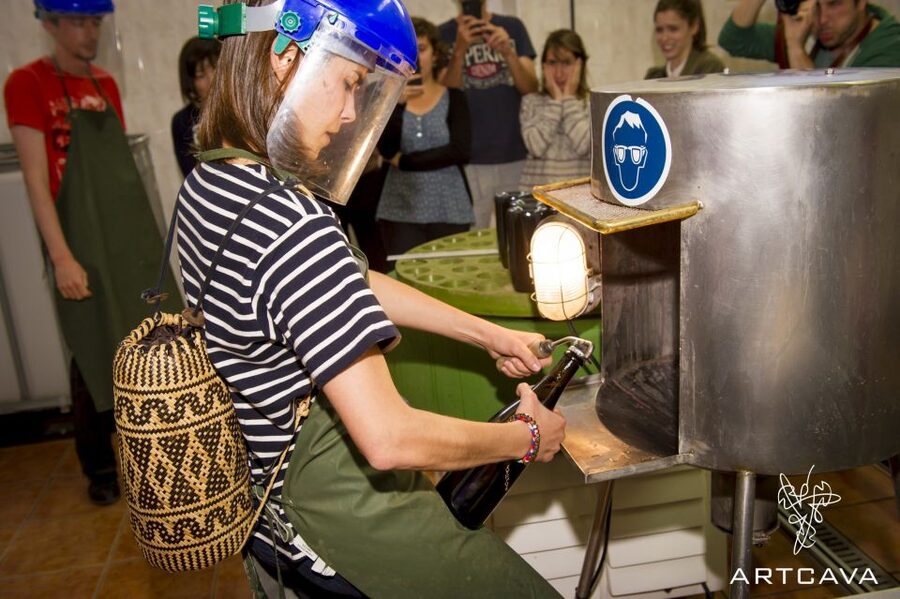
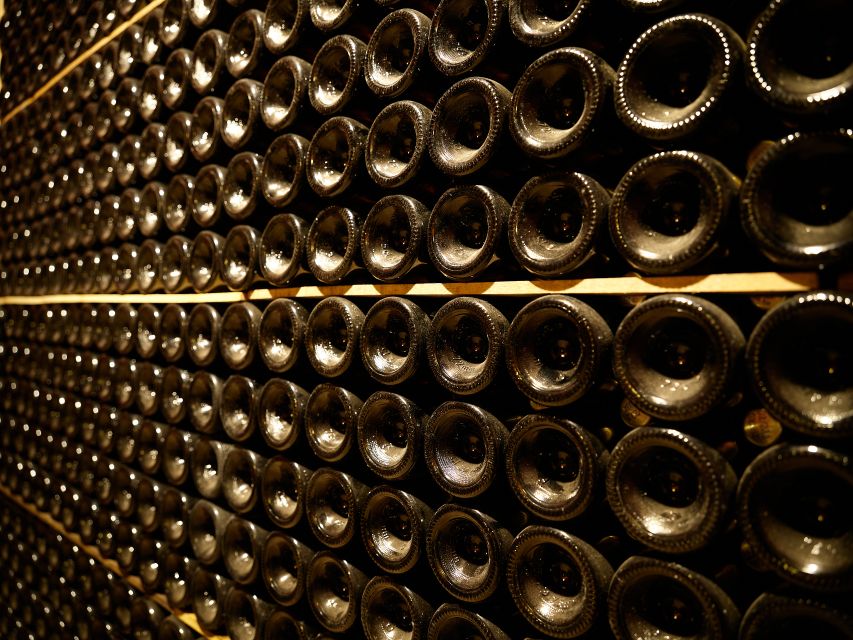
The cellar visit takes you into the working side of the experience. Here, the guide explains the secrets of Cava and how it is made, then brings you to the elaboration room for the practical part of the workshop.
This is where the visit changes from sightseeing to participation. You are shown the process, taste the Cavas, and then prepare to work with the bottle you have selected. The experience is designed to keep the explanation tied to a real action.
The word disgorgement may sound specialized, but the activity gives you a direct way to understand it. After tasting, you choose the Cava you like best. You then disgorge your own bottle, place in the cork stopper, add the bottle top, and label it.
That final sequence is the heart of the workshop. You are not merely buying a bottle from the winery shop. You are involved in finishing it, with guidance from the staff. The bottle becomes a practical souvenir rather than a generic purchase.
Since the activity is hands-on, listen carefully to the guide before you begin. The provided details do not say how much individual assistance each person receives, but the experience is built around guided participation. If you want to understand every step, ask questions as the process unfolds.
More Barcelona Workshops and Classes:
- Barcelona Paella Cooking Class with Market Visit, Tapas & Sangria
★ 5.0 · 2,531 reviews - Barcelona: Cocktail Master Class by Mixologist with Tapas
★ 4.7 · 959 reviews - Barcelona: Paella Cooking Class with Market Visit and More
★ 4.9 · 711 reviews - Paella Cooking Class with Professional Chef: Four Course Dinner
★ 5.0 · 561 reviews
The Commented Cava Tasting
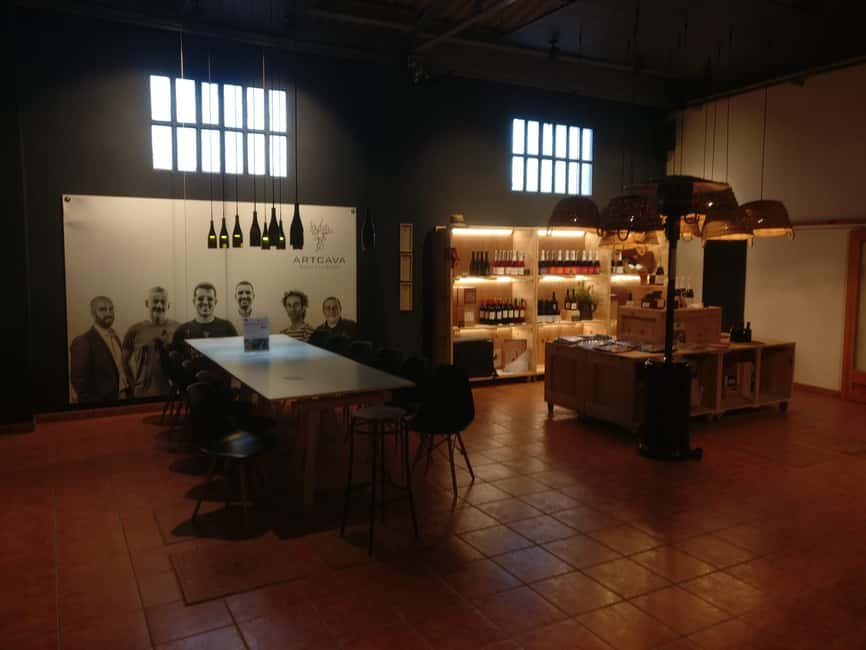
The tasting includes several of the winery’s Cavas, with explanations from the guide. You sample the range, learn about Cava production, and select the one you prefer for your bottle.
This is a useful format for a visitor who does not already know which style of Cava suits them. Rather than choosing blindly, you taste first. Your final bottle is connected to your own preference, which makes the workshop feel more personal.
The tasting is described as exclusive and commented, but food is not included. That point matters. Cava tastings can seem more filling than they are, and you should not count on snacks to serve as lunch. Arrange food separately if you need a proper meal before or after the visit.
There is also no lunch included. The three-hour duration leaves room to plan around the activity, but the start time depends on availability. Check the schedule before booking and consider how the winery fits into the rest of your day.
The experience is offered with a live English-speaking guide. That makes it a practical choice if you want the winemaking details explained in English rather than left to written signs or a self-guided visit.
Finishing and Labeling Your Own Bottle
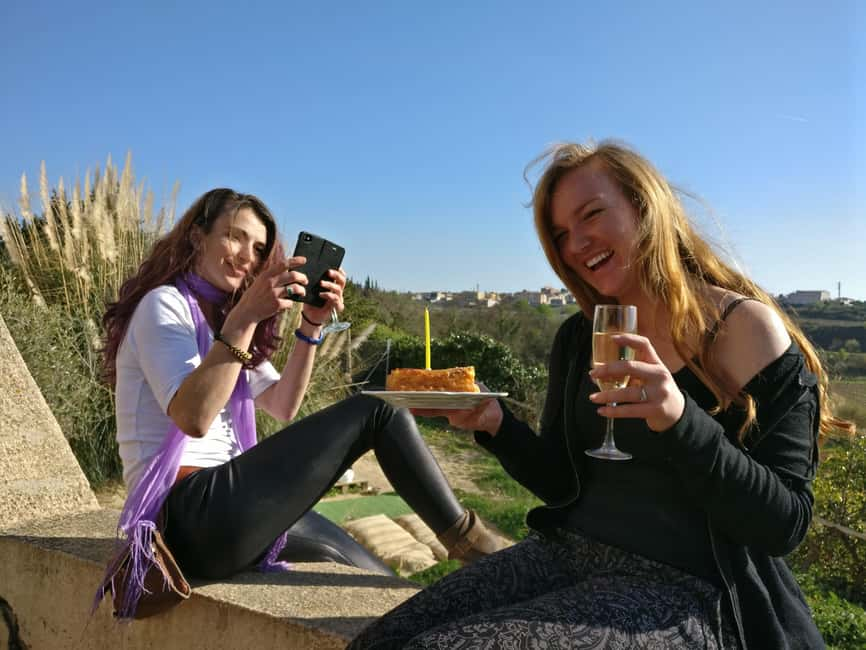
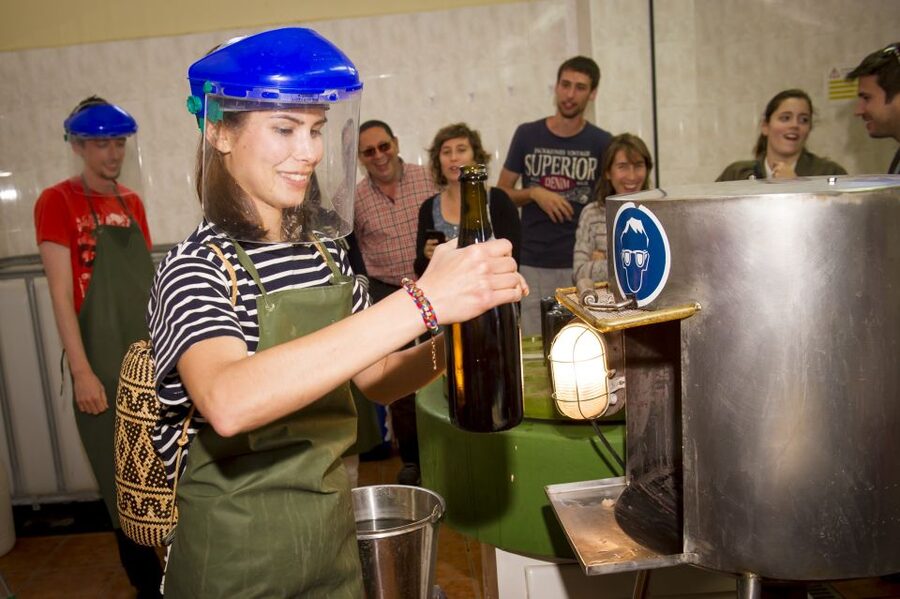
The bottle-making portion gives the workshop its strongest sense of occasion. After you decide which Cava you prefer, you finish your own bottle with the guidance of the winery team.
You disgorge the bottle, put in the cork stopper, add the bottle top, and label it. Then you take it home. The process is specific enough to feel meaningful, but still approachable for someone who has never worked in a cellar.
I like that the souvenir is built into the activity. You do not have to search for a gift shop afterward or wonder which bottle to buy. You have already tasted the options and made your choice.
There is a practical point to remember: the bottle is something you can enjoy later, not during the tour. If you are flying, check your airline and baggage rules before assuming you can carry it in hand luggage. The activity information confirms that you take the bottle home, but it does not specify shipping or airport handling.
Getting There from Barcelona
The winery is outside the city, so the transport plan deserves attention. The R4 train line from Barcelona takes about one hour to Lavern-Subirats. A complimentary pickup from that station is available at 10 AM, but you must contact the winery in advance.
That pickup is a real help. Without it, you would need to work out the final connection from the station yourself. With advance notice, the train and pickup make the countryside visit more manageable without a car.
Do not simply arrive at Lavern-Subirats and expect an automatic collection. The instructions specifically say to contact the winery first. Confirm the pickup arrangement and the 10 AM timing before setting out.
Train tickets are not included in the $68 price. Add that transport cost when comparing this with city-based tastings. The train ride takes time and money, but it also gets you away from the city and into the setting that gives the workshop its character.
The return transport details are not specified in the information provided. Ask the winery about the end-of-visit connection when you arrange pickup, especially if you have a timed train or another booking later in the day.
Is the $68 Price Good Value?
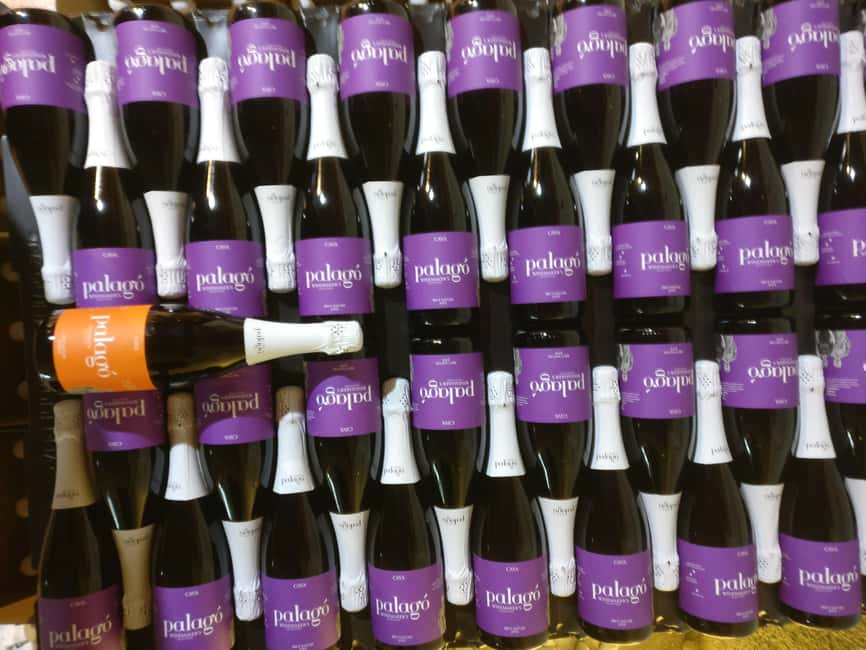
At $68 per person, the price covers more than a glass or two of Cava. You get a three-hour guided visit, the farmhouse, vineyard walk, cellar and elaboration room, a commented tasting, and a bottle that you disgorge and finish yourself.
The strongest value comes from the practical element. A standard tasting may cost less, but it may not include the chance to create and label a bottle. Here, part of the price pays for an activity you can remember and explain when you open the Cava later.
The setting adds value as well. You are paying for an outing in the Penedès countryside, not only for wine served in a city venue. If you already plan to visit the region, this can make good sense.
The total cost is higher once you add train tickets, and lunch is separate. That does not make the workshop poor value, but it means you should compare the full day’s expense rather than looking only at the advertised price.
For a wine enthusiast, a couple, or anyone who enjoys making something by hand, I consider the price reasonable. If you want only a quick drink and a short explanation, this is more time and transport than you need.
Who Will Get the Most From This Visit?
This workshop suits you if you like food and drink experiences with a practical side. You will get more from it if you enjoy asking questions, walking through a vineyard, and taking part in the final stage rather than standing back.
It is also a good fit for someone looking for a break from Barcelona. The train trip takes about an hour, and the countryside setting gives the day a different rhythm. The old farmhouse and vineyard walk make the visit feel tied to Catalonia rather than interchangeable with a city tasting.
The experience may suit couples and small groups especially well, since the bottle-making step gives everyone a shared task. Families should check the age requirements before booking, as none are provided in the available information.
This is less suitable if your schedule is tight or you need a fully city-based activity. It lasts three hours, requires a trip to Lavern-Subirats, and may need extra planning around the train and pickup.
Booking Details Worth Knowing
The activity lasts three hours, with starting times based on availability. The live tour is in English, and the price is $68 per person.
You can reserve now and pay later, which helps if your plans are still moving. You can also cancel up to 24 hours in advance for a full refund.
The pickup from Lavern-Subirats is complimentary, but advance notice is required. The stated pickup time is 10 AM, and the R4 train from Barcelona takes about one hour.
Food for the Cava tasting, lunch, and train tickets are not included. Plan those costs and meals before you go. If you need a particular start time, pickup arrangement, or return connection, confirm those details with ArtCava Winery ahead of time.
Should You Book This Cava Workshop?
Book it if you want a countryside outing with real participation, not just a tasting. The farmhouse, vineyards, English-speaking guide, and cellar visit would make a pleasant half-day, but the bottle you disgorge, cork, top, and label yourself is what makes this experience worth choosing.
I would be especially keen to book it if I were staying in Barcelona for several days and wanted one escape into the Penedès region. Marti’s relaxed style is another reason to expect a friendly, easy-to-follow visit.
Skip it if you have no room for the train ride, do not want to arrange station pickup, or are looking for a meal with your wine. At $68 plus transport and lunch, it is not the cheapest way to taste Cava.
For the right visitor, though, the workshop offers a clear payoff: you learn how Cava is made, taste before choosing, and return home with a bottle you helped finish. That is a much better souvenir than a hurried bottle picked from a shelf.
FAQ
Where does the Cava workshop take place?
The workshop takes place at ArtCava Winery in Catalonia, in the Penedès countryside.
How long does the experience last?
The workshop lasts three hours.
What language is the tour offered in?
The live guided tour is offered in English.
How much does the workshop cost?
The price is $68 per person.
Can I take home a bottle of Cava?
Yes. You disgorge, cork, top, and label your own bottle, then take it home.
What does the tasting include?
You receive a commented tasting of the winery’s Cavas and choose the Cava you like best for your own bottle.
Is food included with the tasting?
No. Food for the Cava tasting is not included, and lunch is also separate.
Can I reach the winery by train?
You can take the R4 train line from Barcelona to Lavern-Subirats. The journey takes about one hour.
Is pickup available from the train station?
Yes. Complimentary pickup is available from Lavern-Subirats at 10 AM, but you must contact the winery in advance.
Can I cancel the booking?
Yes. You can cancel up to 24 hours in advance for a full refund. You can also reserve now and pay later.
Recently added around Barcelona
- Montserrat very early : Hiking, Abbey, very small group★ 5.0 · 127 reviews
- Guided Private Yacht Tour in Barcelona Spain★ 5.0 · 6 reviews
- Private Tour from Barcelona to Montserrat (with guide)★ 4.5 · 6 reviews
- Private Tour from Barcelona to Costa Brava (with guide)★ 5.0 · 5 reviews
- Andorra Tour★ 4.0 · 7 reviews
- Barcelona Gaudi Tour: Sagrada Familia, Casa Batllo & Casa Mila★ 5.0 · 4 reviews
- Street Art, Sculptures & Crime Stories Walking Tour – Barcelona★ 5.0 · 11 reviews
- Wine Tasting in Barcelona (Catalan Varieties) Small Groups★ 5.0 · 10 reviews
Barcelona Wine and Cava Tours, compared.
Montserrat & Cogwheel Train, Gourmet Wine Tasting & Tapas/Lunch
Read our review →
Montserrat with Black Madonna & Medieval Winery with Tapas/Lunch
Read our review →
Montserrat and Winery Tour with Tapas or Lunch
Read our review →
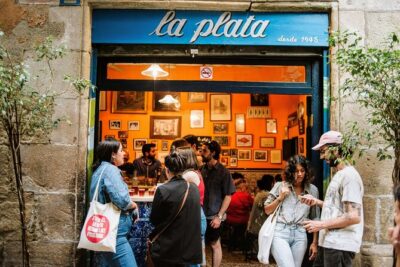
Barcelona Gothic Quarter Tapas & Taverns Food & Wine Tour
Read our review →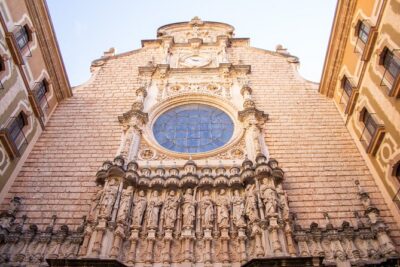
Montserrat Full Day Tour with Farmhouse Lunch and Winery Visit
Read our review →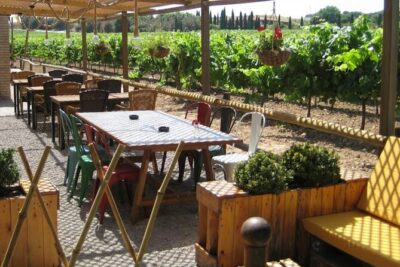
Montserrat & Winery Visit Tour with Traditional Farmhouse Lunch
Read our review →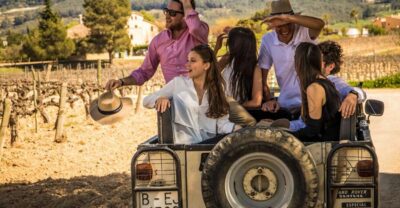
Browse the lists this tour appears in