
Reviewed · BARCELONA WINE AND CAVA TOURS
Jamón Experience Masterclass: The Ultimate Ham & Cava Tasting
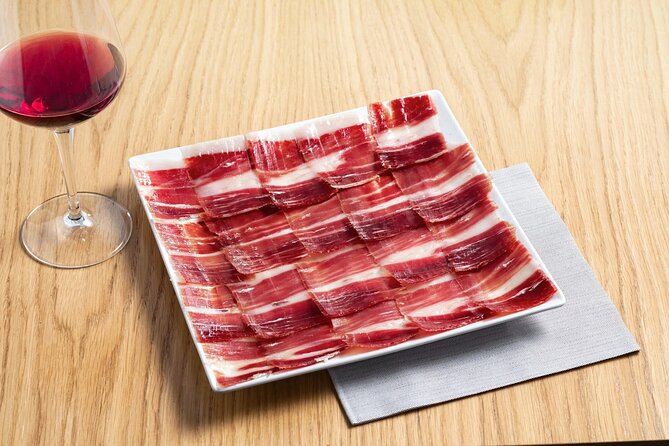
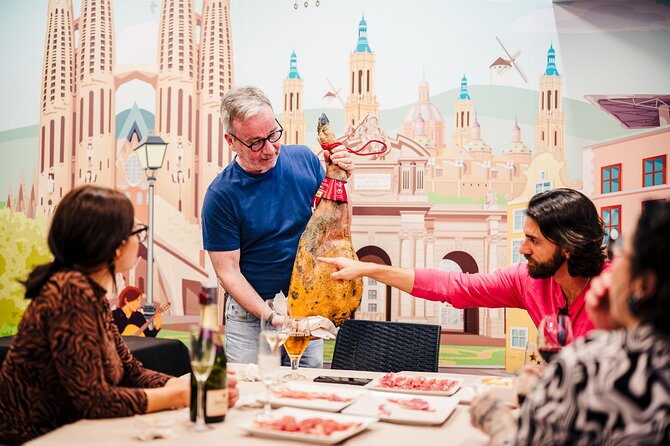
Just steps from the Sagrada Familia, this 90-minute class turns Spanish ham into a subject worth studying. You taste seven versions, from Gran Reserva to 100% Ibérico de Bellota, while a Jamón Master explains how each one differs.
I like the small group of no more than 12, since it gives you a real chance to ask questions. I also like the wine and cava pairings, which make this more useful than simply eating a plate of ham. The main drawback is the setting: one participant found the room noisy, making the guide harder to hear at times.
Key points
- Seven Iberian hams: Compare Gran Reserva, several 50% Ibérico styles, and 100% Ibérico de Bellota.
- Guided by a Jamón Master: Guides such as Diego and Cintia bring a personal, friendly touch to the class.
- Wine and cava pairings: Each ham is matched with selected Spanish drinks to show how flavors change.
- Central Sagrada Familia location: You can easily continue sightseeing nearby after the 90-minute session.
- Small English-language group: The class is offered in English and capped at 12 people.
- A focused food experience: It suits curious eaters who want context, not just a quick snack.
Why a ham tasting near the Sagrada Familia makes sense
Barcelona offers no shortage of food stops, but many visitors pass through Spanish ham without understanding what they are eating. This class gives you a clear way to compare several styles side by side.
You are not simply handed one expensive slice and told it is special. The tasting moves through seven different products, allowing you to notice changes in texture, aroma, and flavor. That progression matters. Once you try several versions in one sitting, the differences become easier to recognize.
The meeting point is at Ptge. de Simó, 26, in the Eixample, a short walk from the Sagrada Familia. That location works well if you are already planning to see Gaudí’s basilica. The class itself does not include entrance to the church, so you need a separate ticket if you want to go inside.
I would plan this as a compact food lesson before or after your Sagrada Familia visit. The activity ends where it begins, so you are free to continue around the neighborhood without waiting for transport or following a guide across town.
More Barcelona Wine and Cava Tours:
- Montserrat & Cogwheel Train, Gourmet Wine Tasting & Tapas/Lunch
★ 5.0 · 6,290 reviews - Montserrat with Black Madonna & Medieval Winery with Tapas/Lunch
★ 5.0 · 5,209 reviews - Barcelona: Montserrat and Winery Tour with Tapas or Lunch
★ 4.8 · 4,695 reviews
The first tasting: Gran Reserva and the basic comparison
The menu begins with Paleta Gran Reserva. Paleta refers to shoulder ham, and this first serving gives you a starting point for the tasting. You can use it as a reference before moving into the Iberian selections.
That order is helpful. If you began with the most prestigious ham, the later samples might seem less distinct. Starting with Gran Reserva gives your palate a simpler point of comparison. You can pay attention to the cut, saltiness, firmness, and aroma before the tasting becomes more complex.
The class is guided, so you are not expected to know the technical language in advance. A good tutor can point out what to notice instead of leaving you to guess why one piece costs more than another.
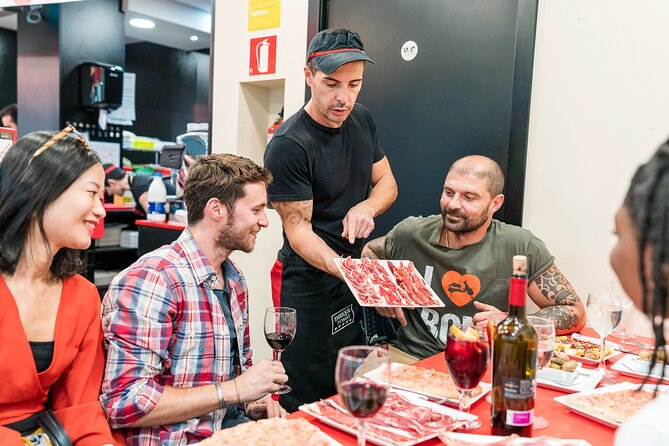
This is also where the social side of the experience begins. With a maximum of 12 people, the group is small enough for questions and conversation. It has the feel of a food class rather than a large demonstration.
Three 50% Ibérico paleta styles
Next come three types of 50% Ibérico paleta: cebo, campo, and bellota. These names give the tasting a useful structure, because you are comparing products that share an Iberian percentage but differ in their category.
The menu lists:
- Paleta 50% Ibérico de cebo
- Paleta 50% Ibérico de campo
- Paleta 50% Ibérico de Bellota
For you, the value is in tasting them in sequence. The class can explain how the categories differ and guide you toward the details in the glass and on the plate. You do not need to memorize every term to benefit. The point is to build a practical sense of how production and classification affect what you taste.
The difference between cebo, campo, and bellota is one reason this experience is more useful than a standard tapas order. At a restaurant, you may enjoy the ham without knowing why the menu lists one type at a much higher price. Here, you get a direct comparison.
The use of both paleta and jamón also gives the session another layer. The menu is not limited to one cut or one presentation. That variety keeps the tasting from becoming seven nearly identical bites.
Cubes and the change in texture
The fourth listed item is Cubes 50% Bellota. This changes the shape and texture of the tasting. A thin slice encourages you to notice how the ham feels as it rests on your tongue, while cubes offer a different bite.
That contrast is easy to miss if you only eat ham as part of a sandwich or a mixed plate. The class gives you several forms of the product, so you can compare more than labels. You can notice how the cut affects the eating experience.
Breadsticks are included. They provide a plain accompaniment between tastings and help keep the focus on the ham and drinks. Extra dishes are not included, so you should not treat this as a full lunch or dinner.
The menu is built around tasting rather than quantity. You receive seven types of ham, but this is still a 90-minute class, not a large meal. I would book it as a food experience and plan another meal if you expect to leave very full.
More Barcelona Food Tours:
- Barcelona: Tapas Walking Tour with Food, Wine, and History
★ 4.8 · 4,261 reviews - Barcelona Tapas Walking Tour: Food, Wine & History
★ 4.5 · 1,928 reviews - Barcelona: Tapas Food Crawl Walking Tour with Tastings
★ 4.9 · 1,798 reviews - Barcelona Gothic Quarter Tapas & Taverns Food & Wine Tour
★ 5.0 · 1,470 reviews
The 50% and 100% Ibérico de Bellota finish
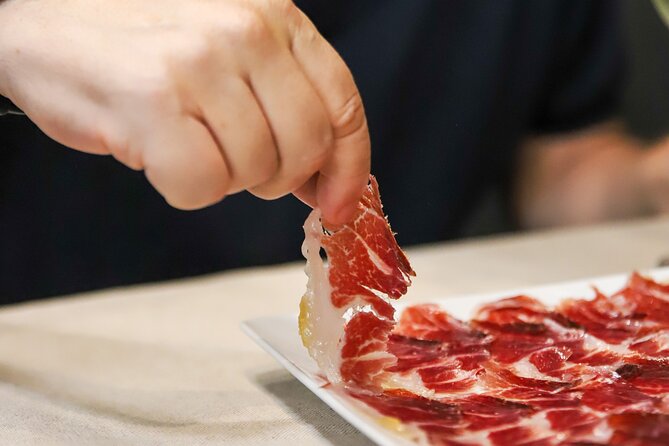
The tasting then moves to Jamón 50% Ibérico de Bellota, followed by Jamón 100% Ibérico de Bellota. Ending with the 100% version gives the session a clear high point.
The final sample is the prestigious product most people are curious about. Tasting it after the other six helps you understand what makes it different, rather than accepting a high price on reputation alone.
The tutor’s job here is especially important. The class is designed to show you how flavors, aromas, and textures develop across the selections. You should leave with a better sense of what you are paying for when you see different Iberian labels in a market or restaurant.
This is also a good moment to ask questions. The small group limit means you have more opportunity to speak with the guide than you would in a large food tour. Diego, one of the guides associated with the experience, was praised for making the subject feel like a friendly conversation while still teaching the material. Cintia was also praised for being sweet and helpful during the class.
Those personal teaching styles matter. Ham can sound like a dry subject if the explanation becomes too technical. A warm guide makes it easier to ask basic questions, including the ones you might hesitate to ask in a more formal setting.
Pairing seven hams with Spanish wine and cava
The ham is served with selected Spanish wines and cava. The drinks are not an extra add-on to the main event. They are part of the lesson, showing how a pairing can change the way you notice the ham.
You will be guided through combinations rather than left to choose at random. A wine may bring out one quality, while cava may make another seem sharper or lighter. The exact pours and wine choices are not specified, so you should not book this expecting a particular bottle or a fixed drinks menu.
Still, the pairing element adds real value. A plain ham tasting teaches you about the food. A ham and wine tasting shows you how the food works at the table. That is more useful for future meals in Spain, especially if you want to order Iberian ham with confidence.
Extra drinks are not included. The listed package covers the selected pairings served during the class, along with breadsticks. If you want anything beyond that, expect to pay separately.
A friendly class, with one sound issue to keep in mind
The best part of this experience may be the teaching rather than the number of samples. A guide such as Diego can make the class feel relaxed and social, even for someone who is not especially fond of pork. That makes this a good choice for couples or mixed-interest groups, as long as everyone is open to a food-focused activity.
Cintia also received praise for being helpful and approachable. Since the guides may vary, you should not book on the assumption that one specific person will lead your session. Still, the experience is built around a personal tutor rather than a recorded presentation.
There is one practical concern. The class may take place in a shared or somewhat noisy area rather than a fully separate classroom. One participant found it hard to hear at times and suggested a separate room would improve the experience.
I would keep that in mind if you have hearing difficulties or strongly prefer quiet instruction. Sit close to the guide when possible and ask questions if you miss a point. The group size helps, but it may not remove background noise.
What the $83.08 price includes
At $83.08 per person, this is not a cheap snack. You are paying for a 90-minute guided lesson, seven ham tastings, Spanish wines and cava, and a small group setting.
I think the price makes the most sense for people who care about food and want to understand the product. If you only want to sample Spanish ham quickly, a market or tapas bar will cost less. You will not get the same structured comparison, though.
The price also includes the time and attention of a Jamón Master. That matters because the seven items are not presented as a random plate. They are arranged to help you compare categories, cuts, and quality levels.
The experience does not include extra food, extra drinks, tips, or admission to the Sagrada Familia. Those exclusions are easy to plan around. Book your basilica ticket separately, and treat this tasting as a substantial appetizer or food lesson rather than your full meal.
The activity is booked, on average, about 40 days ahead. That suggests you should reserve early if the class needs to fit around timed Sagrada Familia admission or a tight Barcelona schedule.
Who will get the most from this class
I would recommend this to you if you like food education, enjoy tasting menus, or want a social activity with a clear Spanish connection. It also suits couples and small groups where not everyone wants another standard sightseeing tour.
It is especially useful for first-time visitors who have seen jamón on menus but do not know how the categories differ. The class gives you vocabulary and comparison points that can help later in Spain.
It may be less suitable if you dislike pork, want a full meal, or prefer to spend 90 minutes inside a quiet formal classroom. The experience centers on ham, and the setting can have some background noise.
You should also consider the timing. The meeting point is near the Sagrada Familia, but the basilica entrance is not included. Do not assume the tasting gives you access to the church or replaces a timed sightseeing reservation.
Practical details for planning your visit
The activity is offered in English and uses a mobile ticket. Confirmation is received at booking, which makes it simple to keep the details on your phone.
It begins and ends at Ptge. de Simó, 26, Eixample, Barcelona, postal code 08025. The location is near public transportation and close to the Sagrada Familia, so it is easy to combine with other plans in central Barcelona.
The maximum group size is 12. Most people can participate, and service animals are allowed.
You can cancel for a full refund if you do so at least 24 hours before the local start time. Cancellations or changes made inside that 24-hour window are not accepted for a refund.
I would arrive ready to listen as well as taste. The session moves through seven products and several drink pairings in only an hour and a half. You will get more from it if you focus on each sample instead of treating the class as a quick succession of bites.
Should you book the Jamón Experience Masterclass?
Book this class if you want to understand Spanish ham instead of simply ordering it. The seven-part tasting, guided comparisons, and wine and cava pairings give you a useful introduction to Iberian ham in a compact format.
The strongest reasons to go are the small group, the personal guides, and the chance to taste everything from Gran Reserva to 100% Ibérico de Bellota in one sitting. The main cautions are the price, the lack of a full meal, and possible background noise.
For food-minded visitors, the location near the Sagrada Familia makes the timing easy. For everyone else, ask yourself one simple question: would you enjoy spending 90 minutes learning why one slice of Spanish ham differs from another? If yes, this is a smart addition to your Barcelona plans.
FAQ
Where does the Jamón Experience Masterclass begin?
It begins at Ptge. de Simó, 26, Eixample, 08025 Barcelona, Spain.
Where does the activity end?
The activity ends back at the meeting point.
How long does the masterclass last?
The experience lasts approximately 1 hour and 30 minutes.
How many people can join the class?
The maximum group size is 12 people.
Is the masterclass offered in English?
Yes. The experience is offered in English.
How many types of jamón are included?
Seven types of jamón are included in the guided tasting.
Which jamón varieties are served?
The menu includes Paleta Gran Reserva, Paleta 50% Ibérico de cebo, Paleta 50% Ibérico de campo, Paleta 50% Ibérico de Bellota, Cubes 50% Bellota, Jamón 50% Ibérico de Bellota, and Jamón 100% Ibérico de Bellota.
Are wine and cava included?
Yes. Selected Spanish wines and cava are included for pairing with the ham.
Is entrance to the Sagrada Familia included?
No. Entrance tickets to the Sagrada Familia are not included.
Can I cancel for a full refund?
Yes, if you cancel at least 24 hours before the experience start time. Cancellations made less than 24 hours in advance are not refunded.
Recently added around Barcelona
- Montserrat very early : Hiking, Abbey, very small group★ 5.0 · 127 reviews
- Guided Private Yacht Tour in Barcelona Spain★ 5.0 · 6 reviews
- Private Tour from Barcelona to Costa Brava (with guide)★ 5.0 · 5 reviews
- Private Tour from Barcelona to Montserrat (with guide)★ 4.5 · 6 reviews
- Andorra Tour★ 4.0 · 7 reviews
- Barcelona Gaudi Tour: Sagrada Familia, Casa Batllo & Casa Mila★ 5.0 · 4 reviews
- Street Art, Sculptures & Crime Stories Walking Tour – Barcelona★ 5.0 · 11 reviews
- Wine Tasting in Barcelona (Catalan Varieties) Small Groups★ 5.0 · 10 reviews
Barcelona Wine and Cava Tours, compared.
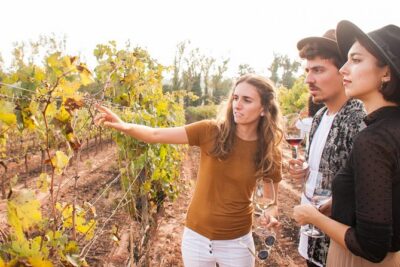
Montserrat & Cogwheel Train, Gourmet Wine Tasting & Tapas/Lunch
Read our review →
Montserrat with Black Madonna & Medieval Winery with Tapas/Lunch
Read our review →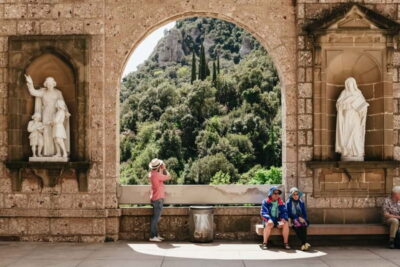
Montserrat and Winery Tour with Tapas or Lunch
Read our review →
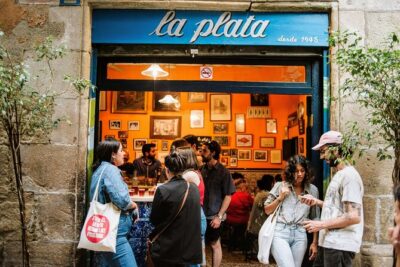
Barcelona Gothic Quarter Tapas & Taverns Food & Wine Tour
Read our review →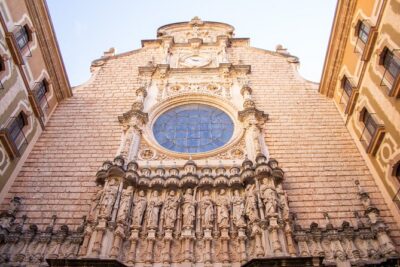
Montserrat Full Day Tour with Farmhouse Lunch and Winery Visit
Read our review →
Montserrat & Winery Visit Tour with Traditional Farmhouse Lunch
Read our review →
Browse the lists this tour appears in