
Reviewed · DESSERT TOURS
Bean to Bar Chocolate Workshop in Barcelona
The most interesting part of this Barcelona workshop is that you do not begin with a neat square of chocolate. You begin with a cocoa pod and raw beans, then roast, peel, grind, and turn them into cocoa paste. That hands-on path makes chocolate feel less like a supermarket treat and more like skilled food craft.
I like the small group of up to eight, which gives you room to ask questions and work with the ingredients. I also like the way the workshop links flavor to farming, geography, and the lives of cocoa-growing communities. The main consideration is that this is as much a lesson and tasting as it is a making session. If you want two hours of decorating finished chocolate, this may feel more educational than expected.
Key points at a glance
- Start with the cocoa bean: See a cocoa pod and learn how beans are grown, fermented, processed, and prepared for chocolate.
- Do the messy work yourself: Roast, peel, grind, and make cocoa paste by hand instead of simply watching a demonstration.
- Taste beyond the candy bar: Sample chocolates from different climates and prepare cocoa-based drinks.
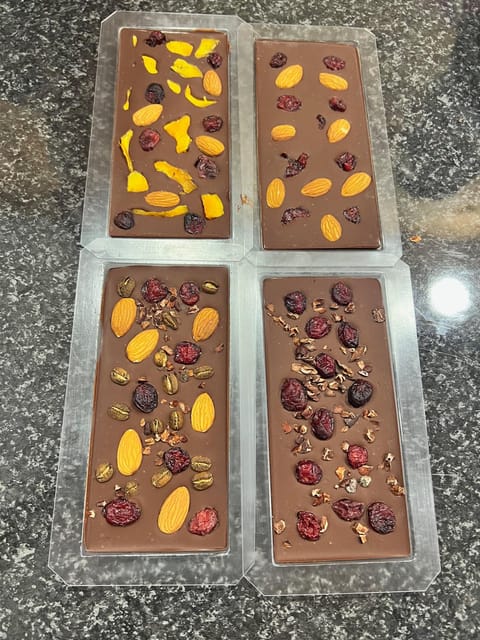
- Make one bar to take home: Your finished chocolate is the practical souvenir, though Barcelona’s heat may make careful handling important.
- Meet passionate instructors: Oscar, Oskar, Renée, and Franklin are named in the experience feedback as engaging workshop leaders.
- A useful family activity: The class is aimed at adults and teenagers, with several families bringing children around age 10 and older.
What happens at Kina Chocolates
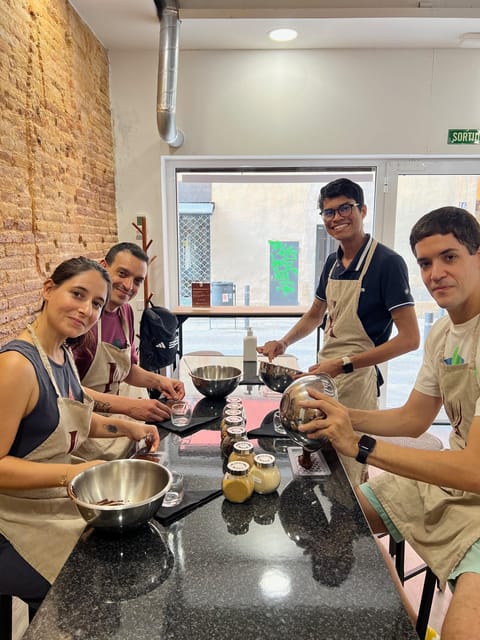
You meet at Local Kina Chocolates, the home of the two-hour workshop. The setting is described as a small artisan chocolate shop, so do not expect a large cooking school with rows of workstations. That smaller scale is part of the appeal: the class feels tied to a real chocolate business rather than a generic tourist demonstration.
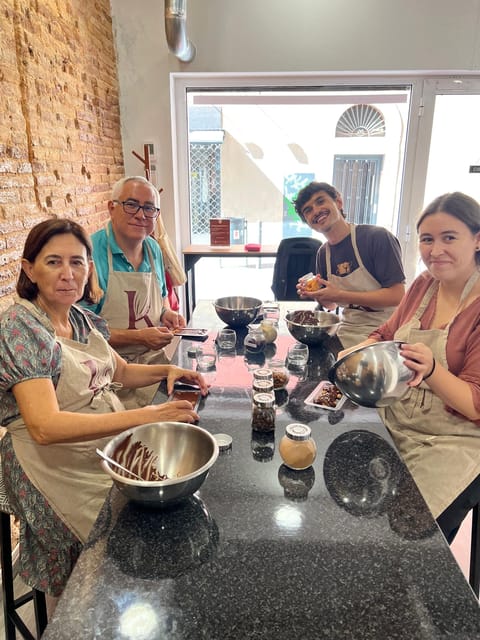
The group is limited to eight people. That matters here because the work is physical and shared. You need to handle beans, smell ingredients, taste samples, and follow several stages of preparation. In a crowded class, those steps could become a quick show-and-tell. With eight participants, you have a better chance to see what is happening and ask about a flavor or technique.
The workshop is offered in Spanish and English. Some material may appear in its original language, so you should be comfortable following a bilingual setting if needed. The instructors named in the feedback include Oscar, sometimes written as Oskar, Renée, and Franklin. Their style seems to be a major part of the experience, with Oscar and Renée especially noted for bringing humor, energy, and strong personal interest to the subject.
You receive an apron and hat, along with the materials and utensils required for the class. A certificate and workshop summary are also included. The summary is useful if you want to remember the difference between cacao, cocoa, nibs, paste, and finished chocolate after you return home.
More Dessert Tours in Barcelona:
- Barcelona: Nougat and Chocolate Museum Tour with Tasting
★ 4.5 · 232 reviews - Family Private Tour: Churros, Hot Chocolate & Games in Barcelona
★ 5.0 · 79 reviews - Barcelona: Churros, Hot Chocolate, and Games Family Tour
★ 4.8 · 66 reviews
From cocoa pod to roasted bean
The class begins with the source: the cocoa pod. You get to observe one and learn what happens in the fields before the beans ever reach a chocolate shop. This is a valuable opening because most chocolate tastings skip the agricultural stage completely.
You learn how cocoa is cultivated and how the beans are handled after harvest. The workshop also discusses local cocoa-producing communities and the work involved in producing the raw material. That gives the tasting a wider frame. A chocolate bar is not just a sweet; it is the final result of farming, processing, transport, roasting, grinding, and careful recipe work.
The historical section covers chocolate’s ancient uses and the many ways cocoa has been consumed over time. You will not simply hear a list of dates. The class connects the past with present-day chocolate, showing how cocoa can become drinks, nibs, paste, and bars.
I appreciate this part because it helps you taste with more attention. You begin to ask why one sample is bitter, fruity, earthy, or sweet, and how those differences relate to the beans and the way they are processed.
Roasting, peeling, and grinding the cacao
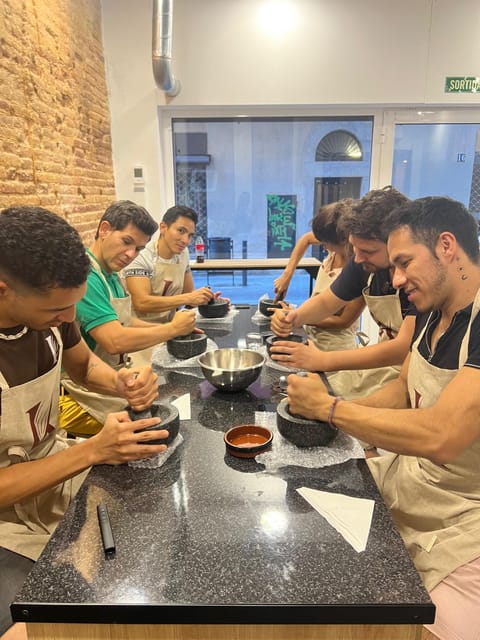
The practical center of the workshop is the bean itself. You roast the cocoa, peel it, grind it, and make your own cocoa paste. These are simple verbs, but they describe real work. The process is slower and more tactile than opening a chocolate wrapper.
Roasting changes the smell and flavor of the beans. Peeling exposes the nibs, the useful interior pieces of the cocoa bean. Grinding then turns those pieces into a paste. You get to feel how a hard, dry bean becomes the base for chocolate.
This is where the workshop earns much of its price. You are not only told how bean-to-bar production works. You take part in the main stages and see why texture, heat, time, and ingredient quality matter. The process also explains why artisanal chocolate can have a different flavor from mass-market bars.
Do not expect to produce a factory-perfect bar entirely alone from raw beans in two hours. One piece of useful feedback describes the class as more focused on learning, tasting, and working with cocoa by hand than on making every part independently. That is a fair way to view it. The workshop gives you a guided version of the bean-to-bar process, with the instructor keeping the pace moving and helping with the technical steps.
Tasting chocolate from different climates
Tasting is woven through the workshop rather than saved for the final few minutes. You may try cocoa nibs, several chocolates, and products made from different parts of the bean. The class has included three chocolate samples from beans grown in different climates, which makes the geography lesson easier to understand.
You also prepare cocoa-based drinks. Some sessions have included two different cacao drinks, giving you a look at forms of cocoa that many people rarely try. This is one reason the workshop works well for curious eaters. You are not only comparing percentage levels in finished bars. You are tasting cocoa at several points along its journey.
I would pay attention to aroma before tasting, then let the chocolate sit in your mouth. The point is not to find a single correct opinion. It is to notice how beans from different places and stages can produce different flavors.
The workshop also discusses chocolate quality and added sugar. One useful idea presented in the experience is that good beans can need less sugar and fewer extra flavors. That does not mean every sweet chocolate is poor quality, but it does give you a better way to read labels and think about what you buy later.
More Barcelona Nightlife Tours:
- Barcelona: Unique Sunset Sailing Tour with Tapas & Open Bar
★ 4.7 · 959 reviews - Barcelona Sailing: Light Snacks & Open Bar with Private Option
★ 5.0 · 874 reviews - Barcelona Sensational Sunset Tour with Open Bar and Snacks
★ 5.0 · 681 reviews - Barcelona: El Born and Gothic Quarter Wine & Tapas Bar Tour
★ 4.8 · 674 reviews
Making your own chocolate bar
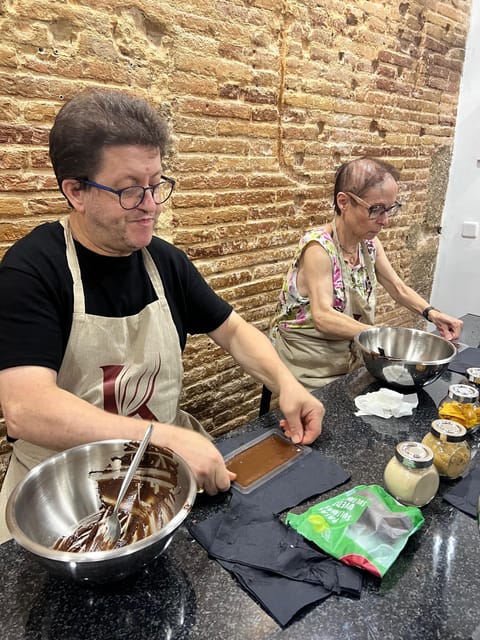
Near the end, you make a chocolate bar to take home. This gives the workshop a clear payoff and a souvenir with a story behind it. Instead of buying a bar made by someone else, you can explain how the beans were roasted, peeled, and ground before the chocolate reached its mold.
The exact amount of personal control can vary. The experience is practical, but the class is not presented as a private chocolate laboratory where you invent a full recipe from scratch. The instructor guides the steps and keeps the group together, which is sensible in a two-hour class.
The bar is also something to protect after the workshop. One person found that Barcelona’s heat affected the chocolate on the way home. That is a useful warning, especially in warm weather. Treat your bar as a soft souvenir rather than assuming it will stay perfect in a hot bag.
You can also browse the shop’s ready-made chocolate after the class. People have taken home chocolate bars, cocoa bean shell tea, and caramel-coated cacao beans. Buying something extra is optional, but it gives you a chance to support the local shop and continue tasting after the workshop.
Why the bean-to-bar idea matters
The class does more than explain a recipe. It introduces the bean-to-bar approach, which pays attention to the full path from cocoa cultivation to finished chocolate. You learn about traceability, cocoa-producing communities, and the work required before a bar is sold.
That connection is useful in Barcelona because it adds a local food experience without pretending the cocoa is grown in Catalonia. The workshop brings the agricultural story and the production work together in a local shop, then lets you take part in the transformation.
I also like that the focus is not only on selling chocolate. The information provided describes the workshop as a place to discuss how cocoa-producing communities live and why their work deserves attention. The best part is that this topic is tied to something you are physically doing, not delivered as a separate lecture.
The tone appears to be friendly rather than formal. Oscar has been described as playful and willing to use jokes and small pranks, while Renée is praised for her enthusiasm and clear explanations. Franklin is also described as engaging and ready to answer questions. The instructor can make a big difference in a class like this, and the named guides seem to treat the subject as a craft they care about.
Is two hours and $47 a good value?
The price is $47 per person for two hours. I see this as reasonable if you want an activity with instruction, tastings, raw materials, a handmade bar, an apron and hat, a certificate, and a written workshop summary.
It is not the cheapest way to eat chocolate in Barcelona. If your only goal is to sample sweets, you could spend less in a shop. But this experience gives you a process, a lesson about cocoa farming and chocolate history, several tasting points, and practical work with the beans.
The value is strongest for people who enjoy understanding how food is made. You are paying for access to the process and the instructor’s attention, not just for the final bar. A small group of eight also makes the price easier to justify than a large demonstration with little personal involvement.
Families should note the age fit. The workshop is designed for adults and teenagers, and several families have enjoyed it with children around 10 and older. Younger children may still be interested, but the supplied information specifically supports adults, teenagers, and family groups with older children.
The practical details that matter
The session lasts two hours, so it fits neatly into a Barcelona day without taking over your schedule. It can also work well as an indoor plan when rain interrupts sightseeing. A two-hour chocolate class gives you a change of pace from churches, museums, and long walks.
You meet at Local Kina Chocolates in Catalonia, in Barcelona. Check the available starting times when booking because the exact schedule is not fixed in the basic activity details.
The workshop is wheelchair accessible. Spanish and English are available, and the group size is limited to eight. Tell the provider about allergies or intolerances before you attend so the workshop can be adapted where possible.
You can cancel up to 24 hours ahead for a full refund. The reserve-now, pay-later option also helps if your Barcelona plans are still shifting. Those terms are especially useful for a short city break, when weather, transport, and restaurant plans can change quickly.
Who will enjoy this workshop most?
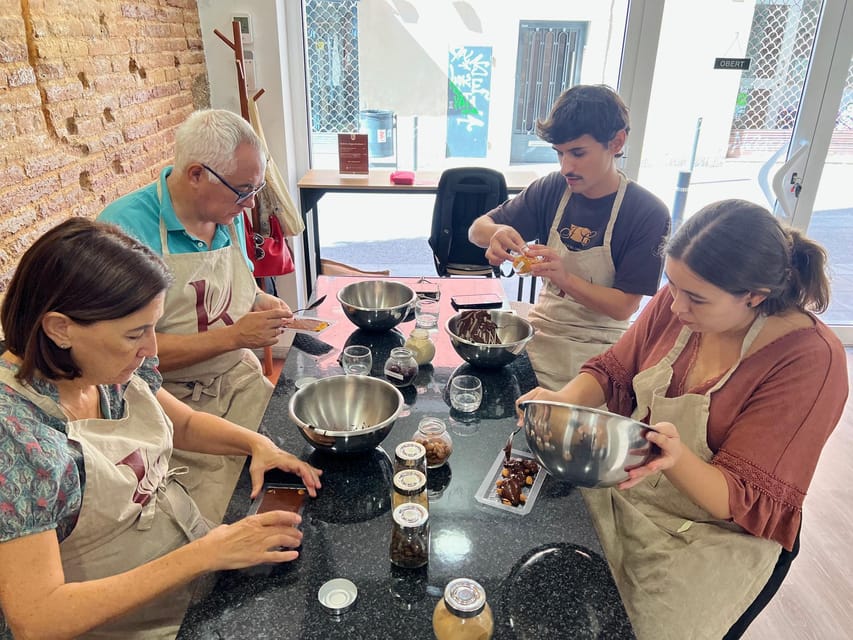
I would choose this for a chocolate lover who wants more than a tasting counter. It suits couples, families with older children, teenagers, and anyone interested in food production, ethical sourcing, or small-scale craft.
It is also a good choice if you want an activity that mixes explanation and action. You will hear about cocoa’s past, see and handle the raw material, taste different forms of it, and make a bar. That range keeps the session from feeling like a lecture.
I would be more cautious about recommending it to someone who dislikes bitter flavors, hands-on food work, or educational activities. The class includes tasting cocoa in forms that may be less sweet than familiar candy. It also asks you to follow a process rather than simply sit back and sample finished products.
If you are traveling with children, I would think of it as a family learning activity with chocolate as the reward. The feedback from families with 10-year-olds, 11-year-olds, and teenagers suggests that older children can enjoy both the practical work and the stories.
Should you book the Barcelona chocolate workshop?
I would book it if you want a small, friendly activity with real cocoa handling and a clear connection between farming and the food in your hand. The strongest reasons are the eight-person group, the roast-peel-grind process, the tasting of beans and chocolates from different climates, and the chance to take home your own bar.
I would skip it only if you want a fast tasting or a highly elaborate chocolate-decorating class. This is a bean-to-bar lesson first, with tasting and making built into it. At $47, it offers good value for a two-hour workshop that includes materials, instruction, drinks, samples, a bar, and take-home information.
For most chocolate fans, curious families, and teenagers who need an activity with more substance than a simple snack stop, Kina Chocolates is a smart Barcelona choice.
FAQ
Where does the workshop take place?
The meeting point is Local Kina Chocolates in Barcelona, Catalonia.
How long does the workshop last?
The workshop lasts two hours. Starting times vary, so check availability when booking.
How much does the experience cost?
The listed price is $47 per person.
Is the workshop offered in English?
Yes. The workshop is available in Spanish and English. Some content may be shown in its original language.
What will I make during the workshop?
You will make one chocolate bar to take home. You will also roast, peel, and grind cocoa beans and prepare cocoa paste.
Is the workshop suitable for children?
The activity is designed for adults and teenagers. Families have also enjoyed it with children around age 10 and older.
Is the workshop wheelchair accessible?
Yes, the activity is listed as wheelchair accessible.
What should I do if I have an allergy or intolerance?
Tell the provider about your allergies or intolerances in advance so the workshop can be adapted where possible.
More Barcelona Workshops and Classes
- Barcelona Paella Cooking Class with Market Visit, Tapas & Sangria
★ 5.0 · 2,531 reviews - Barcelona: Cocktail Master Class by Mixologist with Tapas
★ 4.7 · 959 reviews - Barcelona: Paella Cooking Class with Market Visit and More
★ 4.9 · 711 reviews - Paella Cooking Class with Professional Chef: Four Course Dinner
★ 5.0 · 561 reviews
Recently added around Barcelona
- Montserrat very early : Hiking, Abbey, very small group★ 5.0 · 127 reviews
- Guided Private Yacht Tour in Barcelona Spain★ 5.0 · 6 reviews
- Private Tour from Barcelona to Montserrat (with guide)★ 4.5 · 6 reviews
- Private Tour from Barcelona to Costa Brava (with guide)★ 5.0 · 5 reviews
- Andorra Tour★ 4.0 · 7 reviews
- Barcelona Gaudi Tour: Sagrada Familia, Casa Batllo & Casa Mila★ 5.0 · 4 reviews
- Street Art, Sculptures & Crime Stories Walking Tour – Barcelona★ 5.0 · 11 reviews
- Wine Tasting in Barcelona (Catalan Varieties) Small Groups★ 5.0 · 10 reviews
Dessert Tours, compared.
Family Private Tour: Churros, Hot Chocolate & Games in Barcelona
Read our review →
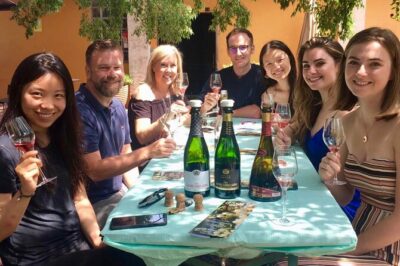
Exclusive Champagne & Chocolate Getaway – with excellent lunch
Read our review →
Casa Batlló, La Pedrera, & Chocolate Tasting Tour
Read our review →Browse the lists this tour appears in