
Reviewed · SKIP THE LINE
Barcelona: Fundació Joan Miró Skip-the-Line Entry Ticket
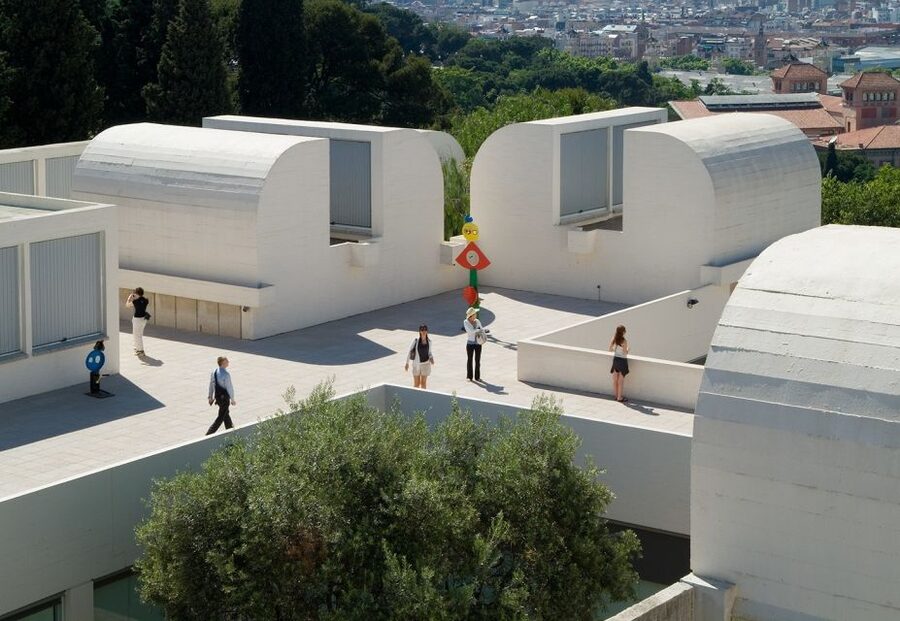
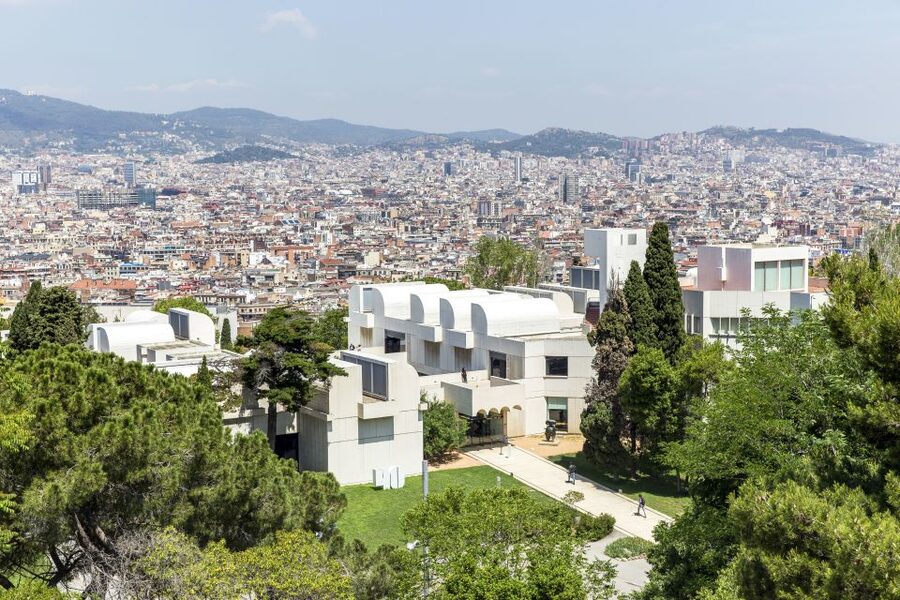
The best thing about the Fundació Joan Miró is the way art, architecture, and setting work together. You do not simply walk through a box of paintings. You move through a bright, spacious building designed by Miró’s friend Josep Lluís Sert, with sculptures outdoors, peaceful Montjuïc surroundings, and broad views over Barcelona.
I like the museum’s clear look at Miró’s changing ideas, from his links with the avant-garde and surrealism to the role of poetry in his work. I also like the calm pace: there are seats for stopping, open rooms that give the art breathing space, and temporary exhibitions included with your ticket. The main drawback is that the collection is not enormous, and a skip-the-line ticket may offer little advantage on a quiet day.
Key points to know before you go
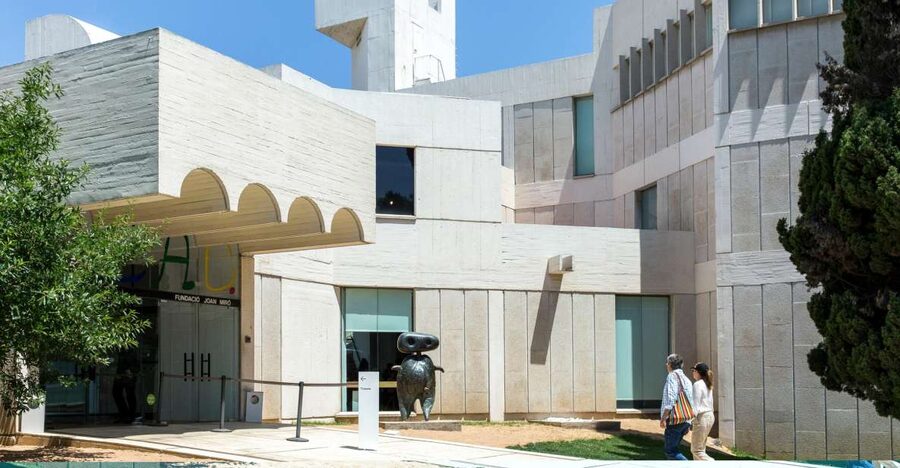
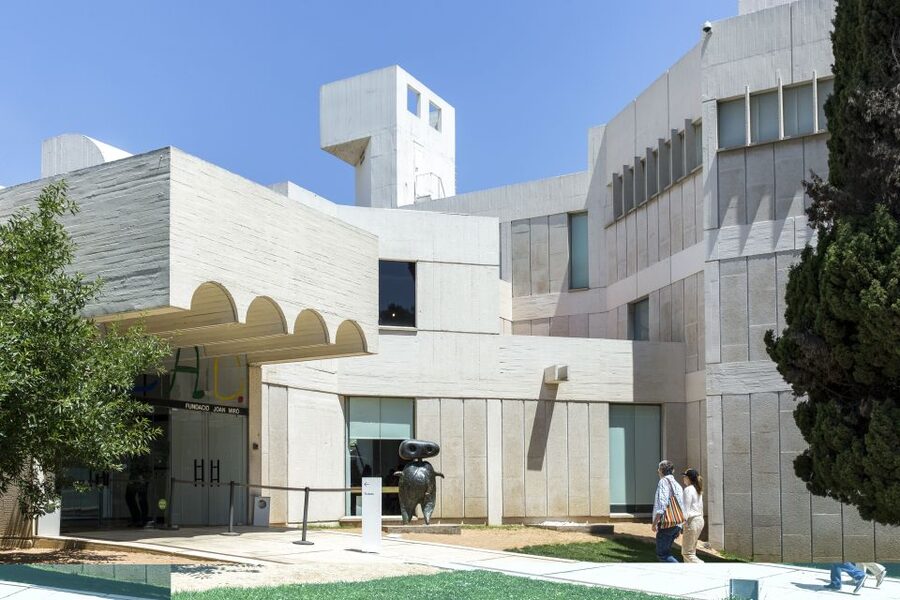
- Sert’s building is part of the visit: Expect white, light-filled rooms, outdoor sculpture areas, and views across Barcelona.
- Plan on two to three hours: Some visitors finish in less time, but the museum rewards a slow visit with time for the sculptures and temporary shows.
- The ticket includes more than Miró: Temporary exhibitions and displays at Espai 13 are included.
- Early morning is a smart choice: The museum can feel especially peaceful before the main crowds arrive.
- The $8 price is strong value: It covers the permanent collection and temporary exhibitions, with free cancellation up to 24 hours before the visit.
- Bring your phone and headphones: Audio and video guides can be bought at the museum, and a charged phone is useful for handling your voucher.
Why the Fundació Joan Miró feels different
Barcelona has no shortage of famous art museums, but the Fundació Joan Miró gives you a more focused experience. The museum is devoted mainly to one artist, so you can follow his ideas over time instead of racing through rooms filled with unrelated names.
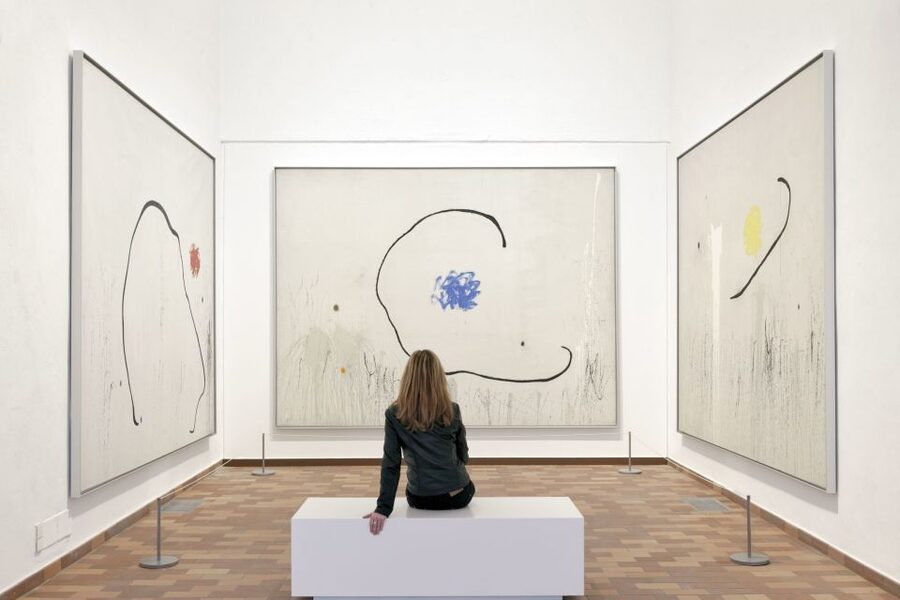
Miró is often reduced to colorful shapes, stars, eyes, lines, and playful figures. The museum helps you see the work as more than cheerful modern art. You can trace his contact with the avant-garde, his links to surrealism, and the influence of poetry on his personal visual language.
That context matters. Some of Miró’s paintings seem simple at first glance. After you spend time with the collection, the marks begin to feel less random. His work moves between painting, sculpture, drawing, and other media, and the presentation shows how his ideas kept changing across his career.
The building makes this easier to appreciate. Sert designed a place with generous light and open spaces rather than narrow galleries packed with objects. You get room to pause, sit, and look again. The architecture does not fight Miró’s work for attention, yet it is important enough to make the visit memorable on its own.
More Skip the Line in Barcelona:
- Barcelona: Park Guell Guided Tour with Skip The Line Entry
★ 4.7 · 17,563 reviews - Barcelona: Sagrada Familia Skip-the-Line Entry Ticket & Tour
★ 4.8 · 12,789 reviews - Park Guell Guided Tour with Skip the Line Ticket
★ 4.5 · 6,996 reviews
Arriving on Montjuïc and entering the museum
The museum sits in the Parc de Montjuïc, away from the tight streets of the old center. That location gives you a welcome change of pace. You are in a green part of the city, with room around the building and a different view back toward Barcelona.
Public transport access includes the funicular railway, and the museum also works well as part of a Montjuïc day. One practical route is to combine it with the National Museum of Catalan Art and the parks around the hill. That lets you turn a single museum visit into a broader walk through one of Barcelona’s most worthwhile cultural areas.
At reception, show your voucher and staff exchange it for an entry ticket. The skip-the-line benefit means you avoid the normal ticket queue, though it is not always essential. Several visits described an empty or nearly empty museum, especially outside the busiest periods. Still, paying $8 for a ready-to-use ticket is reasonable if you value flexibility and do not want to spend time sorting out admission after arriving.
The ticket is valid for one day, and entry is allowed until one hour before closing. That last point matters if you plan a late visit. The museum is closed on January 1 and December 25 and 26, so check the date before building your day around it.
Following Miró’s artistic development
The main collection gives you an overview of the different stages of Miró’s work. You can see how his thinking moved beyond conventional painting and how he used several forms to express the same restless curiosity.
I would not rush from one famous work to the next. Give yourself time to notice how a small mark, a field of color, or an unusual shape can change the mood of an entire piece. Miró’s work often rewards a second look more than a quick first impression.
The presentation also helps first-time visitors. If you know little about Miró, the explanations make the collection easier to approach. One visitor who began with limited knowledge found the descriptions clear enough to build a stronger sense of the artist by the end of the visit. That is useful because modern art can feel hard to enter without a little guidance.
If you already know Miró well, you will probably appreciate the chance to see his work in a setting designed for it. The collection includes paintings, sculptures, and other forms, rather than presenting him as a painter alone. Fans of his work can spend longer with the details, while newcomers can gain a solid introduction without needing a specialist background.
The museum is not primarily a Picasso museum, though Picasso’s presence is part of the wider Barcelona art conversation. If you are choosing between a first visit here and rushing straight to the Picasso Museum, I would give Miró serious consideration. The two artists offer very different ways of seeing, and this museum gives you a focused look at Miró’s distinctive approach.
The building by Josep Lluís Sert
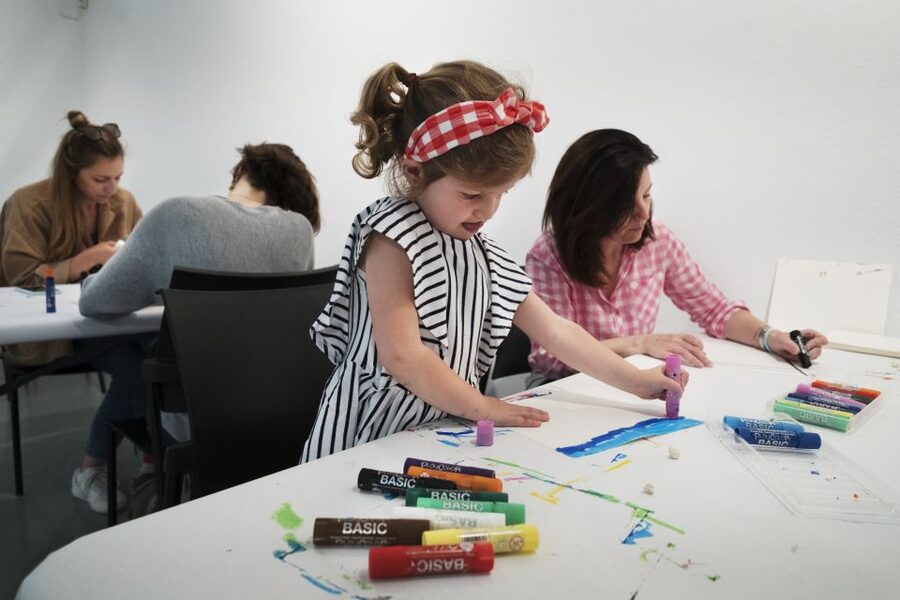
Sert’s design may be the most immediate surprise. The architecture uses light, white surfaces, open galleries, and carefully framed views to create a quiet rhythm as you move through the museum.
The effect is practical as well as beautiful. The spaces are easy to follow, with seating placed so you can stop without blocking the flow. That makes the visit comfortable for anyone who likes to study art slowly, and it gives the museum a peaceful feel even when other people are present.
Look beyond the walls. Outdoor areas contain sculptures, and several visitors found these spaces among the strongest parts of the experience. The city view is another reason to avoid treating the outside areas as a quick passage between galleries. Step out at the points provided and give yourself time to see the relationship between Miró’s forms, the hill, and Barcelona below.
The museum also has a ground-floor relaxation area, a café, and a gift shop. Food and drinks are not allowed inside the Foundation, except in the café, so plan to use that space rather than carrying refreshments through the galleries.
More Tickets in Barcelona:
- Barcelona: Park Güell Admission Ticket
★ 4.4 · 76,534 reviews - Barcelona Aquarium: Entry Ticket
★ 4.3 · 13,335 reviews - Barcelona: FC Barcelona Museum “Barça Immersive Tour” Ticket
★ 4.4 · 10,944 reviews - Park Guell and Sagrada Familia Tour with Skip the Line Tickets
★ 5.0 · 6,384 reviews
Temporary exhibitions and Espai 13
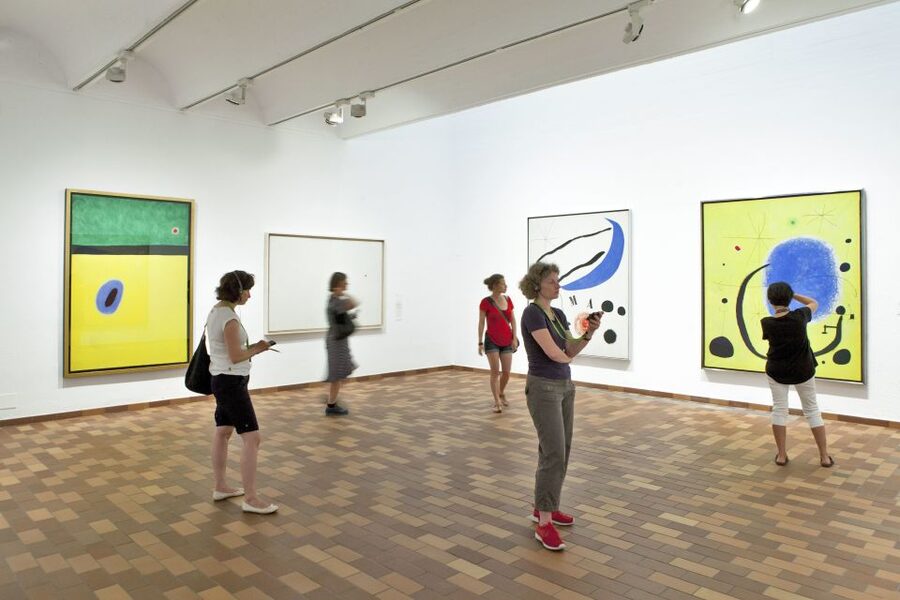
Your admission includes temporary exhibitions, including shows connected with emerging artists at Espai 13. These displays give the museum a wider role than a single-artist collection. You can see how newer artists respond to current ideas, materials, and questions after spending time with Miró’s work.
The temporary program changes, so the exact quality and subject will depend on your date. That variety is useful if you have visited before or if you want more than a standard permanent collection tour.
A specific collection renewal period affected some rooms from February 26 to March 22, 2024. During that time, some of Miró’s works were unavailable, while the exhibition Joan Miró and the Writing of Things and displays at Espai 13 remained accessible. If you are booking for a special occasion, check the current presentation before paying, since a museum can feel quite different during a collection change.
Temporary exhibitions also make the $8 price more appealing. You are not paying only to enter one set of galleries. You get the main Miró presentation plus the additional exhibitions running on the day of your visit.
How much time should you allow?
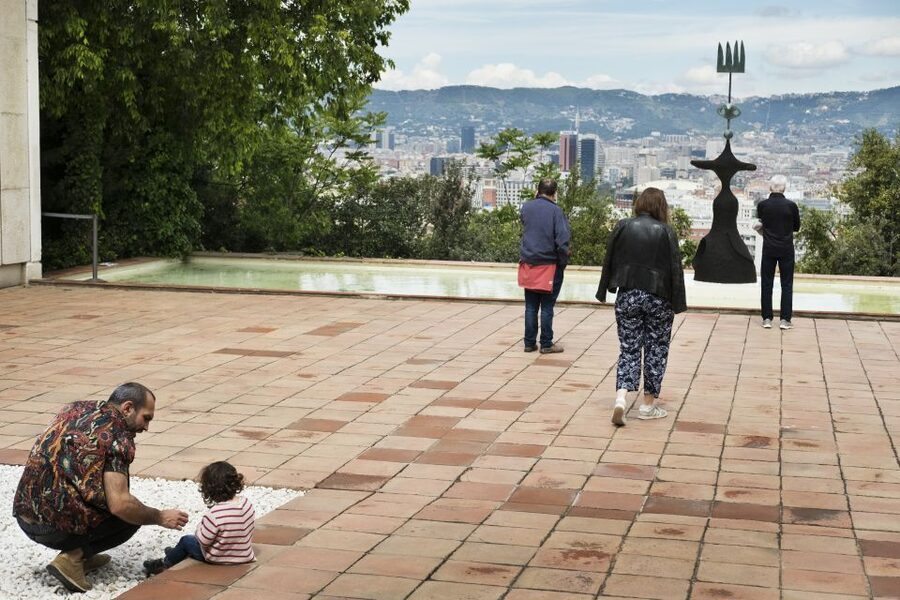
I would allow two to three hours. Two hours can work if you move steadily and focus on the collection. Three hours is better if you want to read the information, sit with the works, visit the outdoor sculptures, and see the temporary shows.
A shorter visit still has value. Some people have enjoyed the museum in about two hours before closing, even without seeing every part. But arriving late creates an avoidable problem: access stops one hour before closing, and you will have less time for the building and outdoor areas.
An early morning visit is a good plan. The museum can be quiet then, and the open rooms feel especially spacious. It is also a sensible way to start a Montjuïc day before moving on to nearby sights.
Bring headphones and a charged smartphone. Audio and video guides can be purchased at the museum, rather than being included with the ticket. Video guides are available in Catalan, Spanish, English, French, German, and Italian. Audio guides are available in Japanese, German, and Italian. If you want a guide in another language, check the options at reception before you begin.
One useful caution: the information supplied for this ticket does not name a specific guide, and a guide is not included. If you prefer a guided visit, you will need to arrange that separately. The self-guided format works well here because the building is easy to follow and the displays provide background, but some visitors may want more explanation than the labels offer.
Is the skip-the-line ticket worth $8?
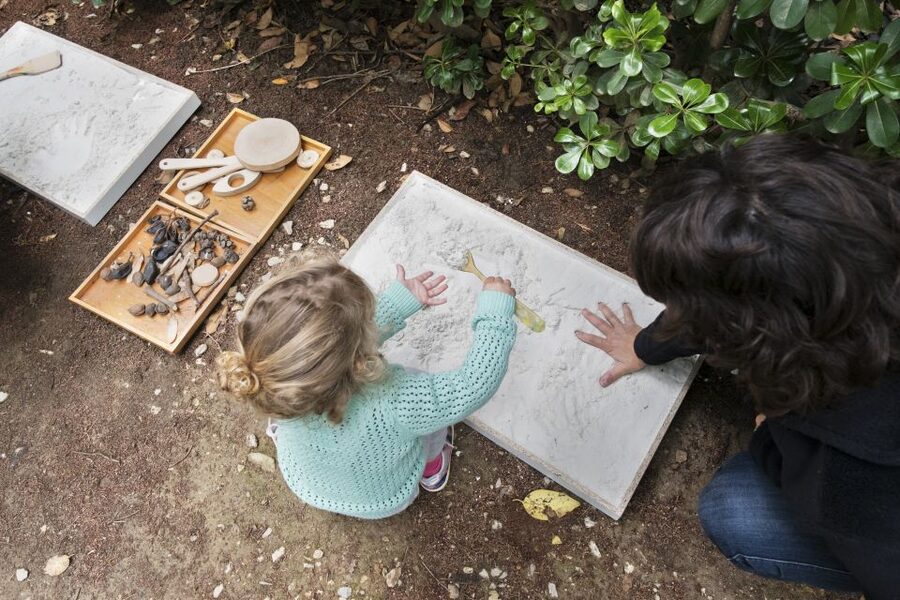
At $8 per person, this is one of the easier cultural purchases to justify in Barcelona. The ticket includes the permanent collection and temporary exhibitions, and it covers a full day of validity rather than forcing you into a short timed slot.
The skip-the-line part is most useful when you want a clean, predictable start. On quieter days, you may find no queue at the museum and could simply buy entry there. A few visits found the building nearly empty, so do not assume skipping the line will save a long wait.
There is also no senior reduction on this skip-the-line ticket. If you qualify for a concession, compare the museum’s direct prices before booking this option. That is the main value point to check.
Free cancellation up to 24 hours in advance and reserve-now, pay-later booking add flexibility. Those terms are helpful if your Barcelona plans may shift. They do not make the ticket a must-buy, but they reduce the risk of booking ahead.
Who will enjoy this museum most?
This is a strong choice if you like modern art, surrealism, architecture, or museums where the setting matters as much as the objects. It also suits families because the exhibitions and activities include options for all ages, though the supplied information does not specify particular children’s programs.
You do not need to be a Miró expert. The clear descriptions provide a workable introduction, and the collection covers enough stages and media to give you a sense of his career. If abstract art usually leaves you cold, the building, sculptures, and views may still make the visit worthwhile.
Miró specialists will find the museum rewarding, though the collection is not endless. One honest criticism is that the museum is relatively small and does not contain every type of work a dedicated fan might hope to see. A visitor especially interested in drawings, for example, may find the shop’s selection disappointing, even though the gallery itself offers a broad look at his art.
The museum is wheelchair accessible. You can also find seating throughout the presentation, which helps if you prefer a slower pace or need regular breaks.
Practical tips for a better visit
- Go early if you want the quietest rooms and the clearest sense of Sert’s architecture.
- Keep two to three hours free rather than squeezing the museum into a rushed gap.
- Step outside for the sculptures and city view. They are part of the experience, not just an exit route.
- Bring headphones and a charged phone if you plan to use your voucher or buy a guide.
- Check the current collection display before booking if Miró’s permanent works are your main reason for visiting.
- Combine the museum with the National Museum of Catalan Art and a walk through Montjuïc.
- Use the café for food and drinks, since refreshments are not allowed in the galleries.
- Save time for the shop if you like posters and art gifts. It has been praised for reasonably priced posters, though the selection of Miró drawings may be limited.
Should you book the Fundació Joan Miró ticket?
I would book it if you want a calm, well-presented art visit with a superb building and memorable outdoor spaces. The $8 price is fair, temporary exhibitions are included, and the ticket gives you a simple way to enter without dealing with the ticket queue.
I would skip the advance purchase only if your schedule is loose and you are visiting during a quiet period. In that case, the skip-the-line feature may not save much. If you are a senior, compare the available direct admission options because this ticket does not include a senior reduction.
For most people, the Fundació Joan Miró is worth adding to a Barcelona plan. It is focused, peaceful, easy to navigate, and different enough from the city’s other major museums to deserve its own afternoon.
FAQ
Where is the Fundació Joan Miró?
The museum is in the Parc de Montjuïc in Barcelona, Catalonia, Spain.
What does the $8 ticket include?
It includes entry to the museum and access to the temporary exhibitions, including exhibitions at Espai 13 when available.
How long is the ticket valid?
The ticket is valid for one day. Check the available starting times when booking, and remember that admission is allowed only until one hour before closing.
Does the ticket include a guide?
No. A tour guide is not included. Audio and video guides can be purchased at the museum.
Which languages are available for the video guide?
Video guides are available in Catalan, Spanish, English, French, German, and Italian.
Which languages are available for the audio guide?
Audio guides are available in Japanese, German, and Italian.
Can I cancel the booking?
Yes. You can cancel up to 24 hours in advance for a full refund.
Is the museum wheelchair accessible?
Yes. The Foundation is wheelchair accessible.
Are food and drinks allowed inside?
Food and drinks are not permitted inside the Foundation, except in the café.
Recently added around Barcelona
- Montserrat very early : Hiking, Abbey, very small group★ 5.0 · 127 reviews
- Guided Private Yacht Tour in Barcelona Spain★ 5.0 · 6 reviews
- Private Tour from Barcelona to Montserrat (with guide)★ 4.5 · 6 reviews
- Private Tour from Barcelona to Costa Brava (with guide)★ 5.0 · 5 reviews
- Street Art, Sculptures & Crime Stories Walking Tour – Barcelona★ 5.0 · 11 reviews
- Andorra Tour★ 4.0 · 7 reviews
- Barcelona Gaudi Tour: Sagrada Familia, Casa Batllo & Casa Mila★ 5.0 · 4 reviews
- Wine Tasting in Barcelona (Catalan Varieties) Small Groups★ 5.0 · 10 reviews
Skip the Line, compared.

Park Guell Guided Tour with Skip The Line Entry
Read our review →
Sagrada Familia Skip-the-Line Entry Ticket & Tour
Read our review →
Park Guell Guided Tour with Skip the Line Ticket
Read our review →
Park Guell and Sagrada Familia Tour with Skip the Line Tickets
Read our review →

Sagrada Família Skip the Line Tour & Entry Ticket
Read our review →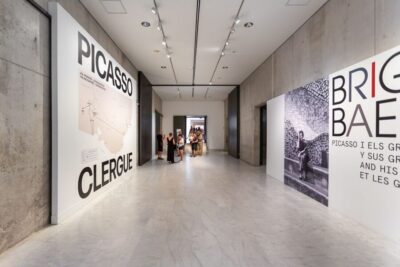
Browse the lists this tour appears in