
Reviewed · BARCELONA PAELLA COOKING CLASSES
Authentic Premium Paella & Sangria in a Stunning Location
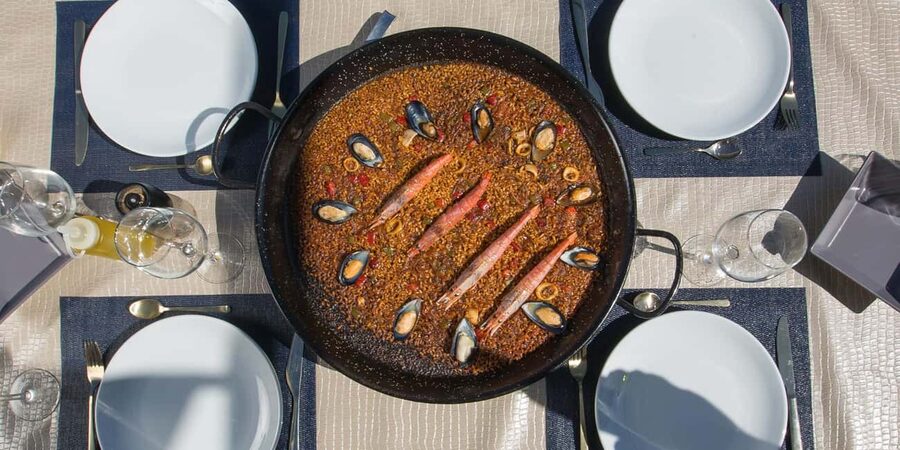
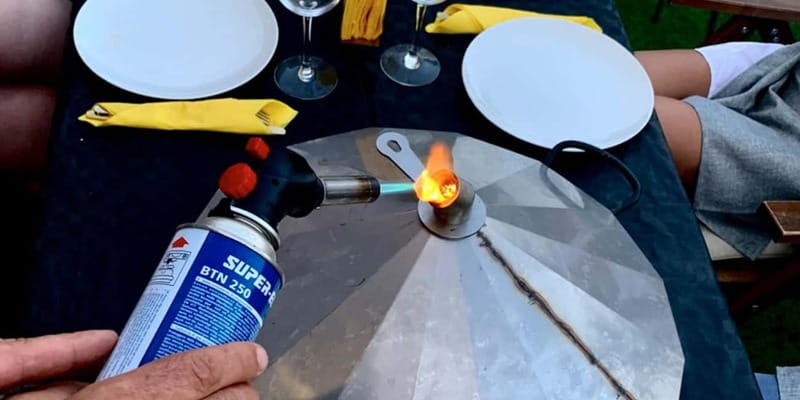
Barcelona’s most famous rice dish gets a proper treatment here. You’ll make seafood paella with bomba rice, prawns, mussels, squid, and seafood broth, then learn the chef’s special Vulcano trick: torched rosemary is covered over the pan to give the rice a smoky scent.
I like the hands-on format, since you take part instead of watching a chef work from across the room. I also like the rooftop loft setting, which gives the meal a relaxed social feel, along with pan tomaquet, salad, Catalan cream, cava, wine, or sangria.
The main consideration is location. You meet at an industrial building near C/ Badajoz 115, not at the waterfront restaurant where the chefs first became known. Give yourself extra time to find the entrance, especially if you are arriving by taxi or public transport.
Key points to know before booking
- A real paella lesson: Learn how bomba rice, seafood broth, and the pan come together, including the prized crispy rice at the bottom.
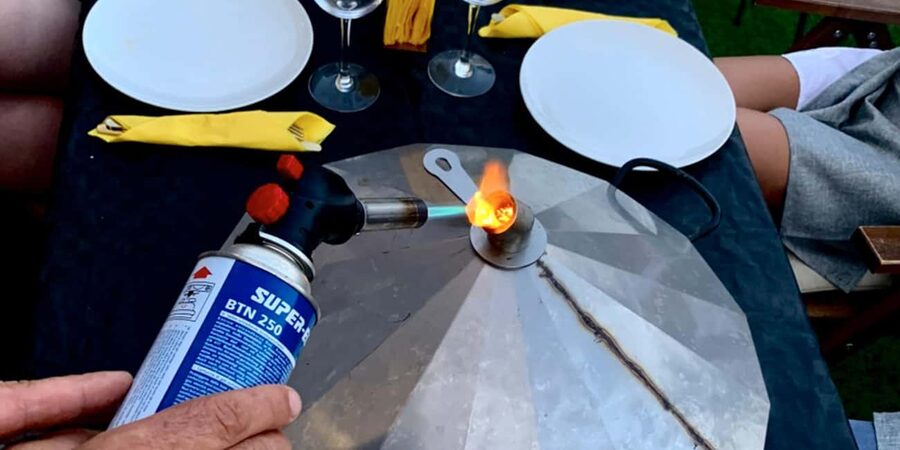
- The Vulcano rosemary method: A custom aluminum cover traps the scent of torched rosemary for a smoky finish.
- More than one dish: Prepare pan tomaquet, Mediterranean salad, seafood paella, Catalan cream, and drinks.
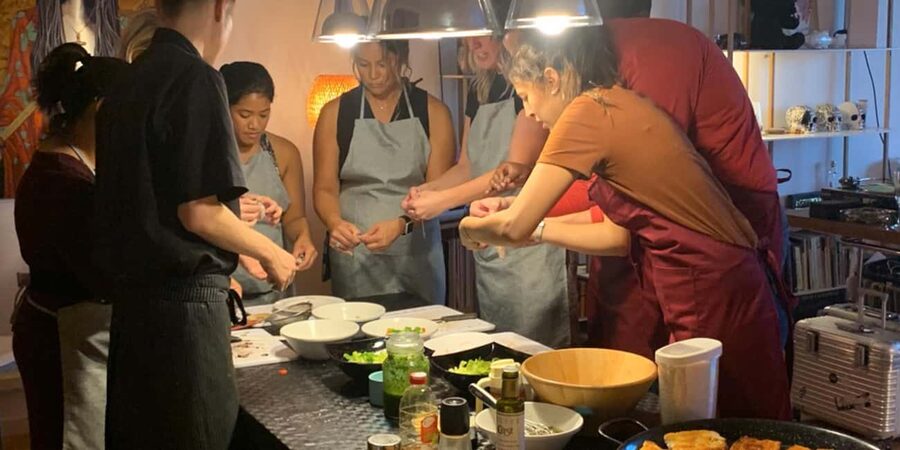
- A social rooftop meal: The class takes place in a rooftop loft with an outdoor balcony and music.
- Helpful multilingual instruction: Classes are offered in English, Spanish, Italian, and Portuguese.
- Good booking flexibility: The 2.5-hour activity costs $79 per person, with cancellation up to 24 hours before the start.
Why this paella class is different
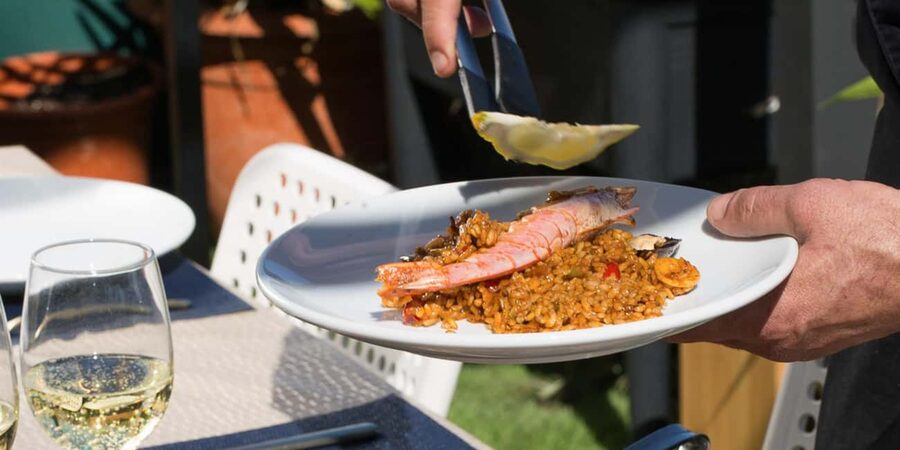
Paella is one of those dishes that seems simple until you try to make it properly. Rice, stock, seafood, and heat all need to work together, and a careless kitchen can turn the dish into wet yellow rice with too many toppings.
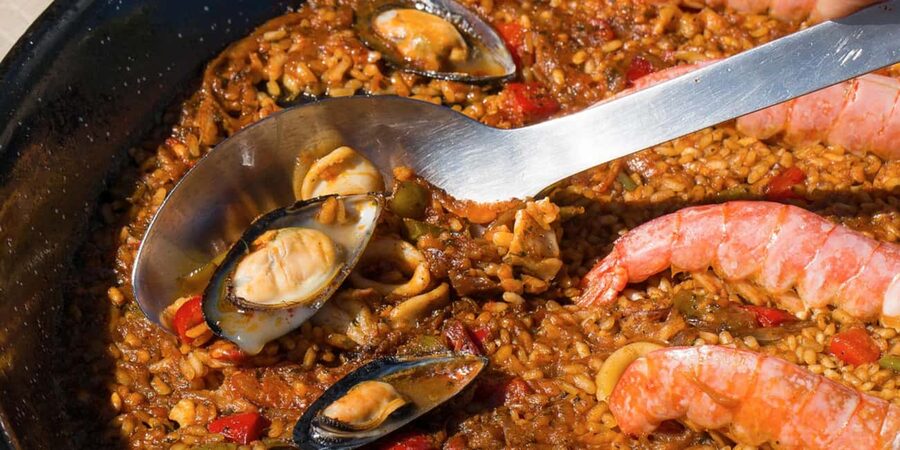
This class focuses on the real mechanics of the dish. You work with bomba rice, prawns, mussels, squid, and seafood broth. The aim is not just to feed you a plate of paella, but to show you how the texture and flavor develop in the pan.
That distinction matters. The best part of a paella is often the bottom layer of browned rice, known as socarrat. Chef Tommy has explained why that crisp layer forms and how to avoid losing it. You can take that lesson home and use it when cooking for friends.
The chefs also bring a strong connection to Barcelona’s seafood tradition. The team became popular while working at Kaiku in La Barceloneta, the old fishermen’s district by the sea. That background helps explain the focus on seafood, rice, smoke, and food meant to be shared.
More Barcelona Paella Cooking Classes:
- Barcelona: Paella Cooking Experience & Boqueria Market Tour
★ 4.8 · 3,661 reviews - Barcelona Paella Cooking Class with Market Visit, Tapas & Sangria
★ 5.0 · 2,531 reviews - Barcelona Food Tour: Tapas, Paella, Sangria & 8+ Local Tastings
★ 5.0 · 1,275 reviews
Finding the class near C/ Badajoz 115
The meeting point is inside an industrial building at C/ Badajoz 115, CP 08018. You should arrive five minutes before the scheduled start and wait at the building door.
This is not the kind of meeting point you can casually wander toward while looking for a large restaurant sign. If you use a taxi, give the driver the full street address and ask to be left at C/ Badajoz 115. The practical advice is simple: do not cut arrival time too close.
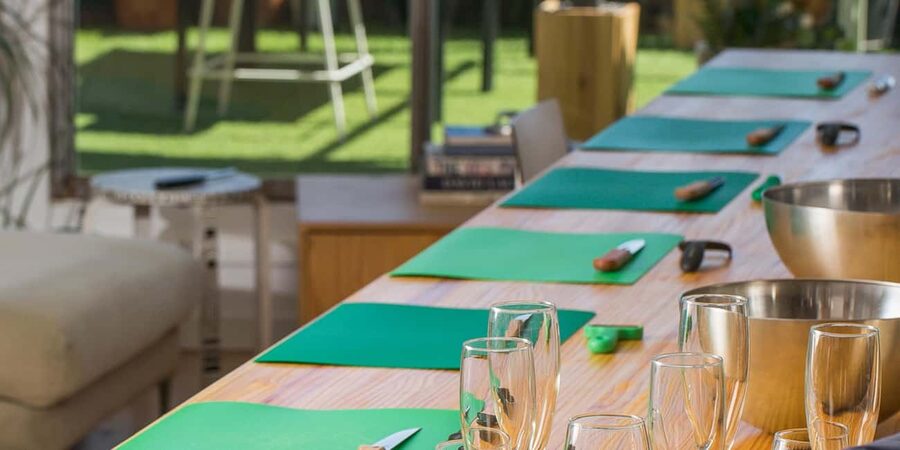
The location has an advantage once you are inside. The cooking takes place in a rooftop loft with an outdoor balcony. That gives the class a private, informal atmosphere rather than the feel of a standard restaurant kitchen.
The setting may be especially pleasant on a mild Barcelona day. One session took place outdoors on a cool, cloudy afternoon, and the rooftop still added something to the experience. Weather can affect how much time you want to spend outside, so bring the same light layer you would use for an evening in the city.
Starting with pan tomaquet and Catalan flavors
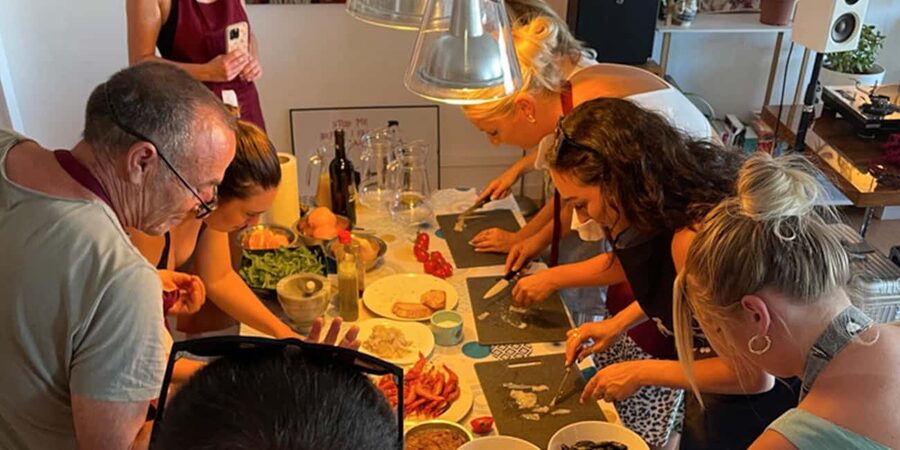
The meal begins with Spanish pan tomaquet, a simple Catalan staple made with bread and tomato. It is a good choice for a cooking class because it shows how much flavor can come from a few basic ingredients.
You also prepare a Mediterranean salad with cherry tomatoes and balsamic vinaigrette. This gives the meal some freshness before the main course and breaks up the richness of the rice, seafood, and drinks.
I like this part of the menu because it makes the class feel like a full Catalan meal rather than a single-dish demonstration. You learn a small bread preparation, assemble a salad, and then move into the more technical paella work.
The menu wording includes tomato bread, salad, and paella, but the experience is not presented as a rigid restaurant tasting. The communal meal is part of the activity. You cook together, sit down together, and enjoy what you have made.
That social rhythm suits the dish. Paella is traditionally linked with families and friends gathering around a wide pan. If you are traveling with a partner or friends, this gives you something to do together instead of simply ordering another meal.
Learning seafood paella from the pan up
The main lesson centers on seafood paella made with bomba rice, prawns, mussels, squid, and seafood broth. Bomba rice is valued for its ability to absorb liquid while keeping its shape, which makes it a useful rice for learning the dish.
The chef guides you through the process step by step. The class is hands-on, so you should expect to participate in preparing the food rather than only listening to instructions.
A small class size has been noted as one of the strengths of the format. That matters in a cooking class because timing and texture are easier to understand when you can ask questions and see the pan closely. The exact group size is not given, so you should not assume a fixed number of places, but the setup is designed for personal attention.
The instructors also explain the reason behind each stage. This is more useful than memorizing a recipe without understanding it. You learn why the crispy rice forms, how the stock supports the dish, and how the seafood fits into the cooking process.
The Vulcano method is the most unusual detail. The chefs developed a custom aluminum cover that sits over the paella for a few minutes while rosemary twigs are torched. The cover catches the smoke and scent, giving the rice a savory, woodsy aroma.
This is not a standard step in every paella recipe, so you should see it as the class’s signature technique rather than a rule you must follow at home. It adds theater, but it also has a practical purpose: aroma changes how the finished dish tastes.
A different sort of day out in Barcelona:
- Barcelona: Park Güell Admission Ticket
★ 4.4 · 76,534 reviews - Barcelona: Casa Batlló Entry with Self-Audioguide Tour
★ 4.7 · 25,359 reviews - Barcelona: 24 or 48-Hour Hop-On Hop-Off Bus Tour
★ 4.4 · 20,872 reviews - Barcelona: Park Guell Guided Tour with Skip The Line Entry
★ 4.7 · 17,563 reviews
Sangria, cava, wine, and the meal at the end
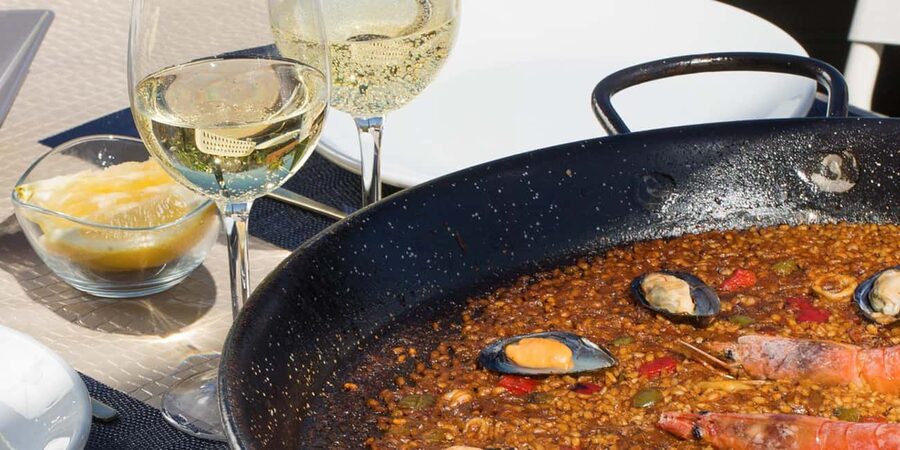
You also learn how to make sangria. The class includes a welcome drink, one glass of cava, and two glasses of wine, sangria, water, or soft drinks, depending on your selection and the arrangements for the session.
The drinks help turn the cooking lesson into a long meal. A class that runs for 2.5 hours has enough time for preparation, cooking, eating, and conversation without feeling like a quick demonstration.
The sangria lesson is especially appealing if you want a recipe you can repeat at home. One of the strongest parts of the experience is the chance to understand how the drink comes together rather than simply receiving a glass from a bartender.
If you do not drink alcohol, water and soft drinks are included as options. The menu also includes cava and wine, so this is a food and drink experience rather than a cooking class aimed only at children.
The atmosphere is helped by the rooftop, balcony, music, and shared meal. One couple was even allowed to stay an extra hour to enjoy the food and drinks. That extra time is not listed as a guaranteed part of every booking, so treat it as a pleasant possibility, not a promise.
Finishing with Catalan cream
Dessert is Catalan cream, one of Spain’s best-known sweets. It gives the class a distinctly Catalan finish and rounds out the meal with something creamy and sweet after the seafood and rice.
Including dessert is a small but important value point. You are not paying $79 only to learn the main dish and then buy your own meal elsewhere. The price covers a complete food experience with several courses and drinks.
The meal also provides a chance to slow down. After the practical work at the counter or cooking area, you can sit with the finished dishes and enjoy the result. That communal ending is part of what makes this feel different from a short demonstration.
The chefs and teaching style
The class has been led by chefs and hosts including Tommy, Martin, Martino, and Valerio. The names vary in the available accounts, so your instructor may not be the same person on every date.
Chef Tommy is described as lively and engaging, with clear explanations of both paella and sangria. Martin is noted for practical tips that can be used at home. Martino and Valerio have also hosted the rooftop version, creating a friendly and social class for couples and groups.
The common thread is an interactive teaching style. The instructors encourage participation, answer questions, and explain local food customs along the way. That makes the class suitable for beginners who might otherwise feel nervous around a large paella pan.
Instruction is available in English, Spanish, Italian, and Portuguese. If you book in English, you should be able to follow the main cooking guidance without needing another language.
The experience has also handled dietary requests well in at least one session, including gluten-free bread for pan tomaquet. Still, you should raise any dietary needs when booking. The supplied information confirms gluten-free accommodation in one case, but it does not promise a fully adapted menu for every allergy or restriction.
What the $79 price really covers
At $79 per person, this is not the cheapest way to eat paella in Barcelona. You can order a plate for much less, especially away from the city’s most popular districts.
The better comparison is a two-and-a-half-hour cooking lesson followed by a full shared meal. You receive pan tomaquet, salad, seafood paella, Catalan cream, a welcome drink, cava, and two glasses of wine, sangria, water, or soft drinks. You also receive instruction, access to the cooking space, and the chance to repeat the techniques at home.
I consider that a fair price if you value the activity as much as the meal. It is less compelling if you only want to sit down and eat paella quickly.
The small-group, hands-on format adds value because the chef can explain texture and timing as you work. The rooftop setting and communal meal add atmosphere without requiring a separate evening plan.
The price is also easier to justify for a couple or small group looking for one memorable food-focused activity in Barcelona. Solo visitors can enjoy it too, though the social nature may appeal more to people who like meeting others over a shared meal.
Who will enjoy this most
You should consider this class if you want to understand Spanish food instead of simply photographing it. It suits first-time cooks, confident home chefs, couples, friends, and anyone who likes a meal with a story behind it.
It is also a good pick for people who have tried disappointing paella and want to learn what the dish should be. The focus on bomba rice, seafood broth, socarrat, and smoke gives you useful points to watch for in restaurants later.
The class may not suit you if you dislike seafood, prefer a quiet private dinner, or want a formal restaurant setting. The location is a loft in an industrial building, and the tone is social and informal.
Families may need to check the age policy before booking, since no age information is provided. The same applies to accessibility details, which are not listed. If either point matters for your group, ask the provider before paying.
Timing, cancellation, and practical planning
The experience lasts 2.5 hours, but starting times vary. Check the available date and time before booking, then plan to reach C/ Badajoz 115 at least five minutes early.
The activity ends at the same meeting point. There is no separate transport back to your hotel or to another part of Barcelona, so allow time afterward if you have a reservation or evening ticket.
You can cancel up to 24 hours before the start for a full refund. The reserve-now, pay-later option lets you hold a place without paying at the time of booking, which is useful when your Barcelona schedule is still changing.
Keep the address handy on your phone. Since the class is inside an industrial building, finding the door may take more effort than locating a normal restaurant. This is the one part of the experience where a little preparation pays off.
Should you book this paella class?
Book it if you want a hands-on Barcelona food experience with a full meal, drinks, a rooftop setting, and practical instruction. The paella lesson goes beyond a basic recipe, especially with the socarrat explanation and the rosemary-smoking Vulcano technique.
The $79 cost makes sense when you count the food, alcohol options, dessert, and 2.5 hours of guided activity. I would choose it over a standard paella dinner if you want to leave with a skill as well as a full stomach.
Skip it if your priority is a waterfront location, a quiet meal, or a fast taste of paella. The meeting point takes planning, and the class is built around participation and conversation.
For most food-focused visits to Barcelona, this is a strong choice. Just arrive early, confirm the meeting details, and come ready to work the pan before sitting down to eat.
FAQ
Where does the paella class meet?
Meet at the door of the building at C/ Badajoz 115, CP 08018, five minutes before the activity begins.
How long does the experience last?
The class lasts 2.5 hours. Starting times vary, so check availability for your chosen date.
What food is included?
The menu includes Spanish pan tomaquet, Mediterranean salad with cherry tomatoes and balsamic vinaigrette, seafood paella, and Catalan cream.
What is in the seafood paella?
The paella uses bomba rice, prawns, mussels, squid, and seafood broth.
Are drinks included?
Yes. The experience includes a welcome drink, one glass of cava, and two glasses of wine, sangria, water, or soft drinks.
What languages are available?
Instruction is available in English, Spanish, Italian, and Portuguese.
Can I cancel the booking?
You can cancel up to 24 hours in advance for a full refund.
Do I have to pay when I book?
The reserve-now, pay-later option lets you reserve a place without paying immediately.
Where does the activity end?
The activity ends back at the original meeting point.
Recently added around Barcelona
- Montserrat very early : Hiking, Abbey, very small group★ 5.0 · 127 reviews
- Guided Private Yacht Tour in Barcelona Spain★ 5.0 · 6 reviews
- Private Tour from Barcelona to Montserrat (with guide)★ 4.5 · 6 reviews
- Private Tour from Barcelona to Costa Brava (with guide)★ 5.0 · 5 reviews
- Andorra Tour★ 4.0 · 7 reviews
- Barcelona Gaudi Tour: Sagrada Familia, Casa Batllo & Casa Mila★ 5.0 · 4 reviews
- Street Art, Sculptures & Crime Stories Walking Tour – Barcelona★ 5.0 · 11 reviews
- Wine Tasting in Barcelona (Catalan Varieties) Small Groups★ 5.0 · 10 reviews
Barcelona Paella Cooking Classes, compared.
Paella Cooking Experience & Boqueria Market Tour
Read our review →
Barcelona Paella Cooking Class with Market Visit, Tapas & Sangria
Read our review →
Barcelona Food Tour: Tapas, Paella, Sangria & 8+ Local Tastings
Read our review →
Girona & Costa Brava Small Group Tour From Barcelona with Paella!
Read our review →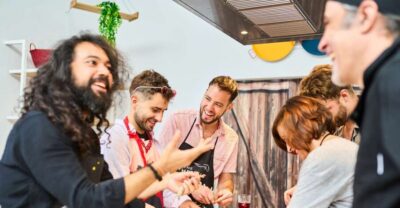
Paella Cooking Class with Market Visit and More
Read our review →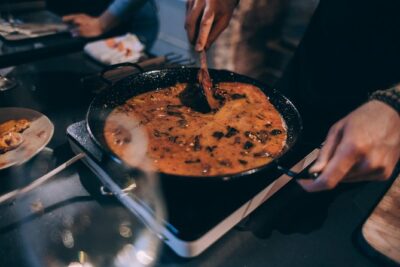
Paella Cooking Class with Professional Chef: Four Course Dinner
Read our review →
Tossa de Mar: Kayak & Snorkel Tour with Paella from Barcelona
Read our review →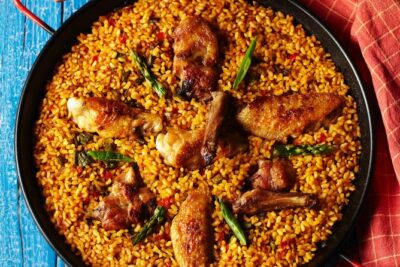
Interactive Paella & Market: Bottomless Wine & Rambla Views
Read our review →Browse the lists this tour appears in