
Reviewed · BARCELONA WINE AND CAVA TOURS
Barcelona Wine Tasting: Catalan and Spanish Wines
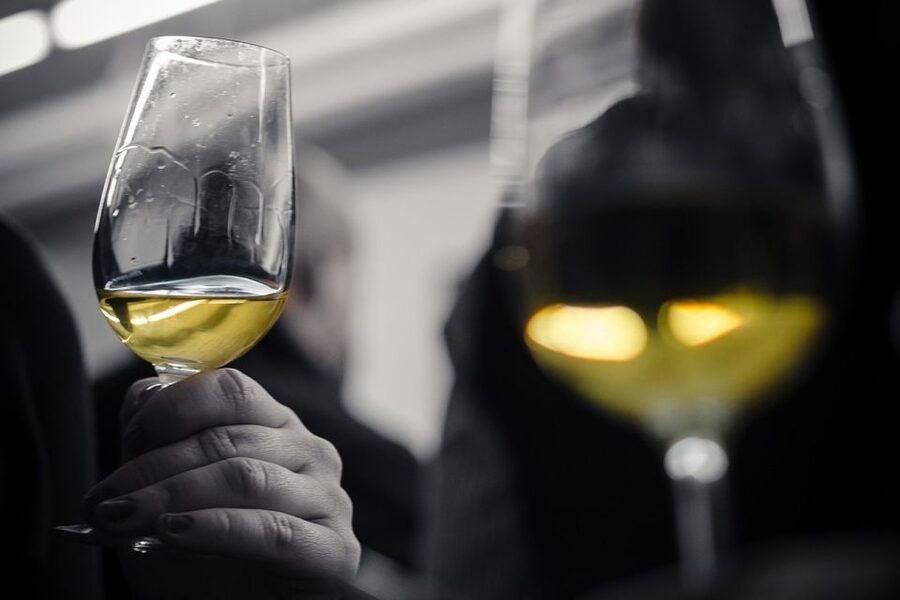
Barcelona’s best wine lesson may take place around the corner from the Picasso Museum, behind a set of big wooden doors. In 90 minutes, you taste five regional wines: one sparkling, two whites, and two reds, while a sommelier explains Spain’s wine regions, grapes, aromas, and food pairings.
I like the friendly, small-group feel, which makes it easy to ask questions. I also like the practical pairing work, where cheese, olives, charcuterie, or other snacks show how the same wine can taste different with food. The main drawback is simple: this is an introduction, not a full meal or a serious cellar visit, and the snack portion may feel light if you arrive hungry.
Key Points Before You Book
- Five wines in 90 minutes: The lineup includes one sparkling wine, two whites, and two reds from Catalonia and other Spanish regions.
- A useful first lesson: You learn how to look, smell, and taste wine, not just how to drink it.
- Food makes the lesson click: Cheese, olives, charcuterie, or other snacks help you understand pairing in a direct way.
- Several warm, capable hosts: Robert, Omar, Vivian, Christina, and other sommeliers have led sessions praised for clear explanations and easy conversation.
- Old Town location: The venue is in Barcelona’s Gothic Quarter, close to the Picasso Museum and surrounded by places to eat afterward.
- Good value for curious beginners: At $41, the combination of five pours, instruction, snacks, and water is fair, though serious food lovers may want dinner afterward.
Five Spanish Wines, Not Just Five Glasses
The point of this tasting is not to rush through a row of anonymous pours. You move across Spain by way of the glass, learning why wines from different regions can taste and feel so different.
The published lineup includes one sparkling wine, two whites, and two reds. That gives you a useful spread without making the session hard to follow. The sparkling wine offers a lively opening, the whites let you compare freshness and aroma, and the reds bring in body, structure, and darker fruit.
You are also introduced to wines from Catalonia, the region surrounding Barcelona, along with wines from other parts of Spain. That regional comparison is one of the strongest reasons to book this instead of simply ordering a bottle at dinner. A restaurant may tell you the name of a wine, but here you get the setting, grape information, and tasting context that help you remember it.
The exact wine selection can vary, so I would not book this expecting one fixed list of labels. Think of it as a guided sample of Spanish wine rather than a guaranteed chance to taste a particular producer.
More Barcelona Wine and Cava Tours:
- Montserrat & Cogwheel Train, Gourmet Wine Tasting & Tapas/Lunch
★ 5.0 · 6,290 reviews - Montserrat with Black Madonna & Medieval Winery with Tapas/Lunch
★ 5.0 · 5,209 reviews - Barcelona: Montserrat and Winery Tour with Tapas or Lunch
★ 4.8 · 4,695 reviews
How the 90-Minute Tasting Works
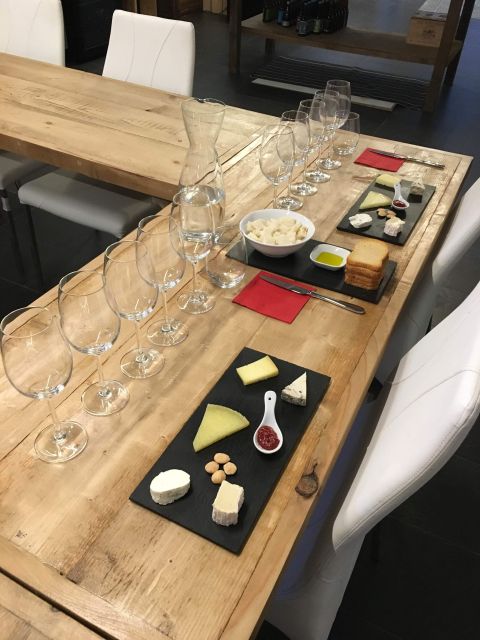
The session lasts about an hour and a half. That is long enough for explanation and conversation, but short enough to fit neatly before dinner, after sightseeing, or into a busy Old Town day.
The sommelier starts with the basics. You learn about Spain’s wine regions and the grapes associated with them, then get simple instructions for tasting. The process covers the usual building blocks: look at the wine, notice its aromas, taste it, and think about its texture and finish.
You do not need a trained palate. In fact, beginners may get the most from this part because the language is practical rather than intimidating. You can ask what you are smelling, how one white differs from another, or why a red feels heavier than the previous glass.
The session is conducted in English. Hosts including Robert, Omar, Vivian, and Christina have been singled out for being warm, engaging, and ready to answer questions. That matters here. A wine lesson can become dull if the presenter lectures without checking in with the group, but the format is designed for conversation.
The mood is relaxed rather than formal. One session had around ten people, while another became a private tasting when no other participants arrived. You should not count on having the room to yourself, but the group size can sometimes be pleasantly intimate.
Tasting Technique You Can Use Later
The most useful part of this experience is the chance to leave with a method. You are not simply told that one wine is good and another is better. You are shown how to pay attention.
First, look at the wine. Its color and clarity offer clues, even if you are still learning what those clues mean. Next, smell it before tasting. The aroma may suggest fruit, flowers, herbs, spice, or something more earthy.
Then taste slowly. Notice how the wine enters your mouth, how much weight it has, and what remains after you swallow. You do not need to use fancy terms. The aim is to develop a few dependable habits so you can make sense of a wine menu later.
Several people have found this especially useful as a first stop in Barcelona. I can see why. After the tasting, a restaurant wine list feels less mysterious, and a bottle from Catalonia has a better chance of becoming a deliberate choice rather than a guess.
The instruction also works well for non-wine drinkers. You may not become an expert in one sitting, but you can learn what you like. That alone is valuable.
Food Pairings That Make Sense of the Wine
The food is not merely there to keep the wine company. It is part of the lesson.
Depending on the option booked, the tasting may include snacks or a cheese pairing. Food mentioned with the sessions includes cheese, olives, charcuterie, and other regional bites. You try the wine before and after eating, then notice how the flavors change.
This is where wine pairing becomes less abstract. A wine that seems sharp on its own may feel softer with cheese. A red may work better with a salty or savory bite. You get a direct demonstration instead of a list of rules.
The food is regional in spirit, which connects the tasting to Barcelona’s wider eating culture. The emphasis is not on a large meal, but on small portions that help explain the wines.
That distinction is important. Some groups received generous pours and ample snacks, while one person wished the food had been more substantial for the price. I would treat the pairing as a well-chosen tasting aid, not a substitute for lunch or dinner.
If you have allergies, mention them when booking or at the start. One session handled several food allergies successfully, but the supplied details do not promise a particular menu for every dietary need. Vegetarian options have also been available in some sessions, though you should select the correct option when booking rather than assume it will be changed on the spot.
More Barcelona Food Tours:
- Barcelona: Tapas Walking Tour with Food, Wine, and History
★ 4.8 · 4,261 reviews - Barcelona Tapas Walking Tour: Food, Wine & History
★ 4.5 · 1,928 reviews - Barcelona: Tapas Food Crawl Walking Tour with Tastings
★ 4.9 · 1,798 reviews - Barcelona Gothic Quarter Tapas & Taverns Food & Wine Tour
★ 5.0 · 1,470 reviews
The Sommelier Makes the Difference
The wine selection matters, but the person guiding it matters more. A flat presentation can make excellent wine feel like homework. Here, the strongest pattern is the hosts’ ability to keep the tone friendly while still teaching something useful.
Robert is praised for clear explanations and a welcoming manner. Omar has led groups of friends and handled questions, spills, and breakages with calm professionalism. Vivian has been described as a natural host who made people feel included, while Christina is noted for her friendly, well-informed approach.
Other hosts have also brought different backgrounds to the table, including an Argentine presenter who explained Spanish wine and winemaking in an accessible way. The host can vary by date, so you cannot request a specific person based on the information provided.
The best sessions seem to balance facts with conversation. You hear about regions, grapes, and wine production, but there is also room to compare impressions with the people at your table. That social side is part of the appeal, especially for couples, friends, and small celebrations.
It is also a good choice for a hen party or birthday group that wants something more relaxed than a formal meal. You can learn together, share the pours, and still have time for dinner afterward.
A Convenient Old Town Setting
The meeting point is in Barcelona’s Old Town. Look for the big wooden doors. The setting has been described as cozy and close to the Picasso Museum, placing the tasting in an area that is already useful for sightseeing.
That location makes the timing flexible. You might visit the Picasso Museum first, attend the tasting, then continue through the Gothic Quarter. Or you could use the wine session as a pause between historic sights and an evening meal.
The venue itself is described as beautiful and easy to reach, with a relaxed atmosphere. The surrounding area has plenty of food options, so you do not need to plan the tasting as your final activity of the day.
Still, allow a little time to find the entrance. The supplied directions are brief, and Old Town streets can be confusing. The big wooden doors are the key landmark, so keep the meeting instructions handy rather than walking past the entrance while looking for a large tour sign.
Is $41 a Fair Price?
At $41 per person, the price is reasonable if you value explanation as much as wine. You receive five regional pours, a sommelier, water, and snacks or cheese pairing guidance. In Barcelona, five separate glasses ordered at a bar could easily approach the cost before any instruction or food is added.
The value is strongest for beginners and casual wine drinkers. You are paying for a structured introduction that helps you understand what is in the glass and how to pair it. If you later buy a bottle from a Spanish wine shop with more confidence, the lesson has done its job.
The value is less clear if you want a full meal, rare bottles, or a highly technical masterclass. The food is designed to support the tasting rather than fill you up, and the experience lasts only 90 minutes.
Some hosts are generous with pours, but you should still pace yourself. Five wines in a short session can add up, especially if you have sightseeing plans afterward. Water is included, and using it between wines is a sensible move.
The booking terms are useful for a changing city itinerary. You can cancel up to 24 hours before the start for a full refund, and you can reserve now while paying later. Starting times vary, so check availability for your date.
Who Will Enjoy This Most?
I would recommend this to:
- First-time visitors who want a quick introduction to Spanish wine
- People who enjoy food pairings and regional snacks
- Couples looking for an easy Old Town activity before dinner
- Small groups celebrating a birthday or hen party
- Curious non-experts who want to understand wine without feeling tested
- Wine drinkers who want to compare Catalan bottles with wines from elsewhere in Spain
It is less suitable for children and anyone under 18, as the activity is for adults only. Pregnant participants should not book it. It may also disappoint someone looking for vineyard scenery, a winery tour, or a large meal, since this is an indoor tasting in central Barcelona.
The social setup is worth considering. You may sit with people from other countries and share impressions as you taste. If you prefer a private, silent, highly formal tasting, this casual format may not be your ideal match.
Practical Tips for a Better Session
Arrive ready to eat a proper meal later. The snacks are useful and can be generous, but they are not intended to replace dinner.
Wear something comfortable and plan your evening around the 90-minute duration. The Old Town setting makes it easy to continue sightseeing or find a restaurant nearby, but avoid scheduling a distant attraction immediately afterward.
Ask questions. The format rewards curiosity, and the sommeliers are there to explain grapes, regions, aromas, and pairing choices. If you do not understand a tasting term, say so. The experience is aimed at beginners as well as wine lovers.
Take note of the wines you enjoy. The tasting can give you ideas for bottles to seek out later. One participant bought a bottle nearby after finding a favorite, and the hosts can provide wine shop tips.
Finally, keep an open mind about Spanish wine. You may arrive expecting familiar reds and discover that the sparkling or white wines are your favorites. The point of tasting five styles is to give you room to be surprised.
Should You Book This Barcelona Wine Tasting?
Book it if you want a friendly, compact lesson that connects Catalan and Spanish wine with local food. The strongest features are the five-wine format, approachable sommeliers, useful tasting guidance, and central Old Town location.
I would especially choose it early in a Barcelona visit. You get a quick education before ordering wine at tapas bars and restaurants, and you can return to the Gothic Quarter afterward with a better sense of what you are drinking.
Skip it if you need a full dinner, a vineyard visit, or a detailed professional certification course. For most curious visitors, though, $41 is a fair price for five wines, practical instruction, and a pleasant hour and a half behind those big wooden doors.
FAQ
How long does the Barcelona wine tasting last?
The tasting lasts 1.5 hours.
How many wines are included?
Five regional wines are included: one sparkling wine, two white wines, and two red wines.
Are the wines from Catalonia or other parts of Spain?
The tasting covers wines from Catalonia and other Spanish wine regions.
Is a sommelier included?
Yes. A sommelier guide leads the tasting and explains the regions, grapes, tasting methods, and pairings.
What food is included?
The experience includes either snack pairings or cheese pairing tips, depending on the option booked. Foods mentioned with the tasting include cheese, olives, charcuterie, and other regional snacks.
Is water provided?
Yes, water is included.
What language is the tasting conducted in?
The instructor speaks English, and English is the listed language for the activity.
Where does the tasting meet?
It meets in Barcelona’s Old Town. Look for the big wooden doors. The venue is near the Picasso Museum.
Can children attend?
No. The experience is not suitable for children under 18.
Can I cancel for a refund?
Yes. You can cancel up to 24 hours in advance for a full refund. You can also reserve now and pay later.
Recently added around Barcelona
- Montserrat very early : Hiking, Abbey, very small group★ 5.0 · 127 reviews
- Guided Private Yacht Tour in Barcelona Spain★ 5.0 · 6 reviews
- Private Tour from Barcelona to Montserrat (with guide)★ 4.5 · 6 reviews
- Private Tour from Barcelona to Costa Brava (with guide)★ 5.0 · 5 reviews
- Andorra Tour★ 4.0 · 7 reviews
- Barcelona Gaudi Tour: Sagrada Familia, Casa Batllo & Casa Mila★ 5.0 · 4 reviews
- Street Art, Sculptures & Crime Stories Walking Tour – Barcelona★ 5.0 · 11 reviews
- Wine Tasting in Barcelona (Catalan Varieties) Small Groups★ 5.0 · 10 reviews
Barcelona Wine and Cava Tours, compared.
Montserrat & Cogwheel Train, Gourmet Wine Tasting & Tapas/Lunch
Read our review →
Montserrat with Black Madonna & Medieval Winery with Tapas/Lunch
Read our review →
Montserrat and Winery Tour with Tapas or Lunch
Read our review →
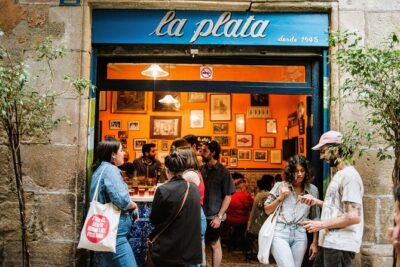
Barcelona Gothic Quarter Tapas & Taverns Food & Wine Tour
Read our review →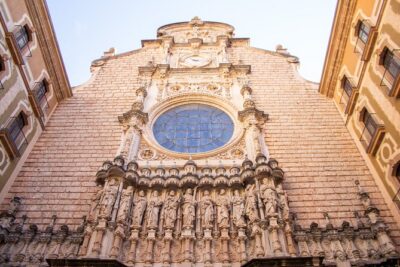
Montserrat Full Day Tour with Farmhouse Lunch and Winery Visit
Read our review →
Montserrat & Winery Visit Tour with Traditional Farmhouse Lunch
Read our review →
Browse the lists this tour appears in