
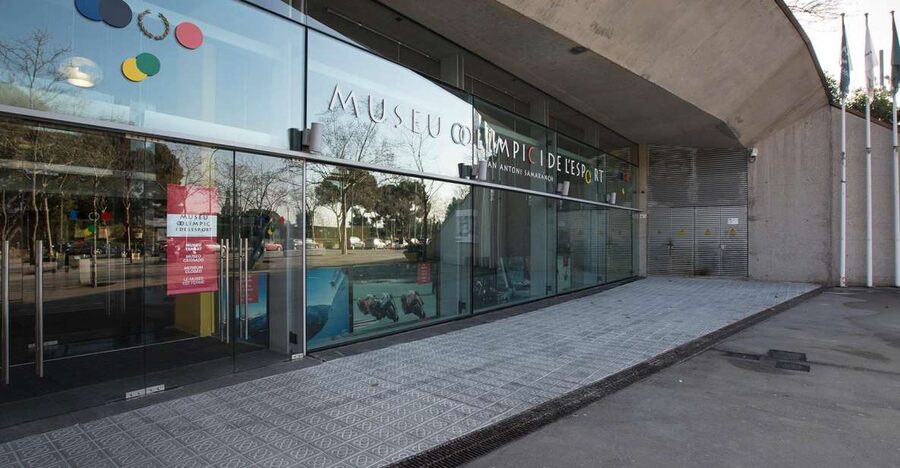
Reviewed · MUSEUMS
Barcelona: Olympic and Sport Museum – Sports Experience
The best part of Barcelona’s Olympic and Sport Museum is that it does not ask you to stand quietly beside glass cases all day. You can race against Carl Lewis or Usain Bolt, test your cycling, study swimming technique, and try sport-themed simulators. I also like the wide range of subjects, from football and Formula 1 to skiing, tennis, canoeing, and weightlifting. At $7 per person, it is an easy add-on to a Montjuïc outing.
I especially like the family-friendly interactive displays and the chance to see genuine Olympic objects, trophies, shoes, and Barcelona 1992 material in one place. The museum is also reported to be quiet, which helps when you want time with the exhibits. The main drawback is that the Barcelona Olympics section is smaller than you might expect, and some visitors may find that there are fewer sports videos than hoped.
Key points to know before you go
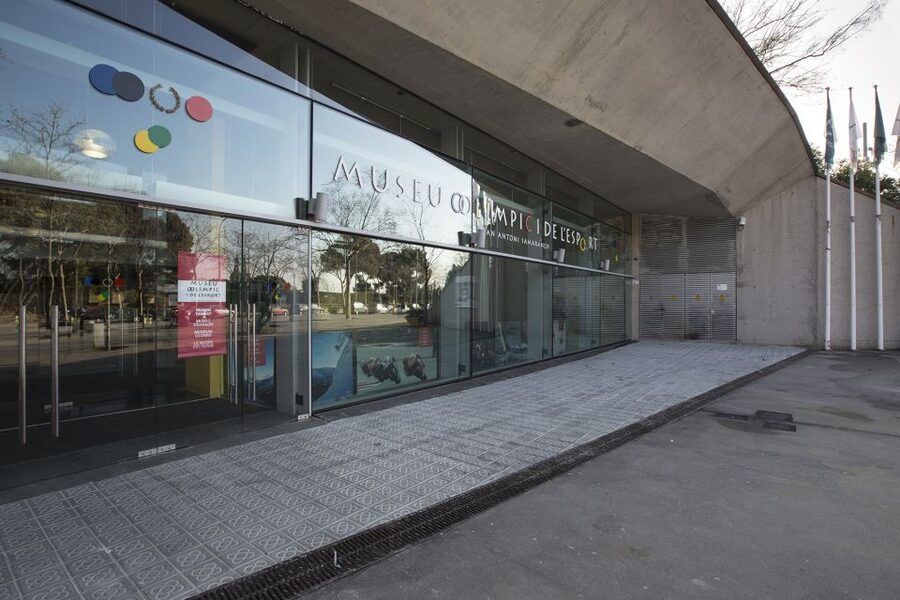
- Race beside famous athletes: Use interactive displays linked to figures such as Carl Lewis, Usain Bolt, Mark Spitz, and Michael Phelps.
- See Barcelona 1992 memorabilia: The permanent exhibition places Barcelona among Olympic host cities from the modern Games.
- Try more than Olympic sports: Football, Formula 1, skiing, cycling, canoeing, tennis, and weightlifting all appear in the displays.
- Allow time for the family activity area: Children can use the games and sports challenges, while adults can focus on history and memorabilia.
- Look for the Paralympic section: Learn about blind football, visually impaired football, and wheelchair basketball.
- Pair it with Montjuïc sights: The stadium nearby may be open, offering another stop and good photo opportunities.
Why this Montjuïc museum is different
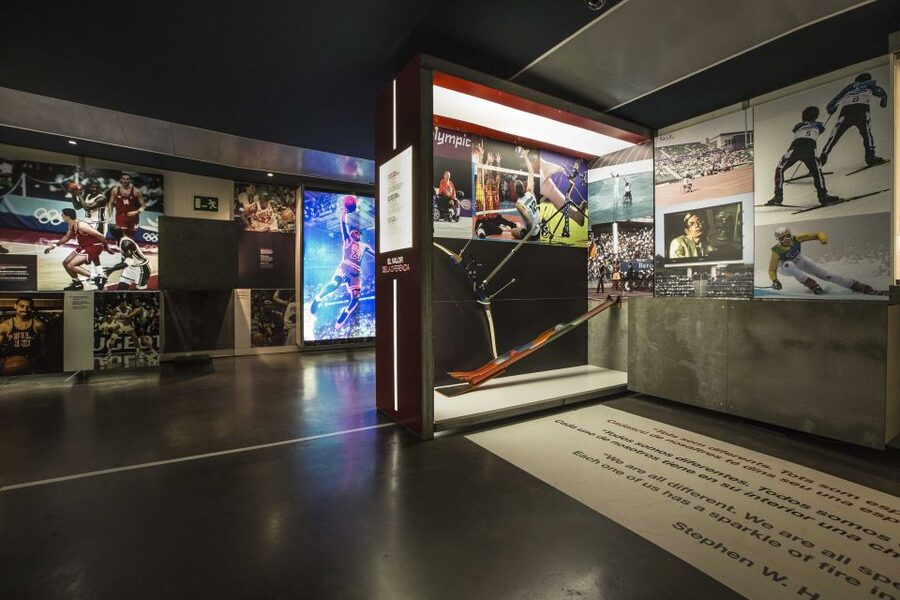
The Olympic and Sport Museum of Barcelona takes a broad view of sport. It covers the Olympic Games, but it also gives space to popular sports, technical achievement, famous athletes, and the emotional side of competition.
That mix matters because you do not need to be an Olympic specialist to enjoy the visit. If you like football, cycling, Formula 1, skiing, swimming, or tennis, you will find an entry point. If you are mainly interested in Barcelona 1992, you can focus on the host-city displays and the objects connected with those Games.
The museum uses interactive technology and multimedia installations rather than relying only on written panels. You can compare your performance with famous athletes, study a swimmer’s technique, and get a feel for the physical demands of sports such as cycling and weightlifting.
I would think of this as a flexible museum visit rather than a tightly timed tour. The ticket is valid for one day, but the supplied information does not set a fixed visit length. That gives you room to fit it around other Montjuïc plans.
More Barcelona Museums and Galleries:
- Barcelona: FC Barcelona Museum “Barça Immersive Tour” Ticket
★ 4.4 · 10,944 reviews - Barcelona: Park Güell and Gaudí House Museum Entry Ticket
★ 4.5 · 6,326 reviews - Barcelona: Picasso Museum Skip-the-Line Guided Tour
★ 4.5 · 3,355 reviews
Starting with Olympic history and host cities
A permanent section follows the development and geography of the Olympic Games. You can see how the Games have moved between host cities, with the display covering locations from Barcelona 1992 through London 2012.
This is useful if you want context before trying the sports simulators. The Olympics are not just a collection of races and medals. Each Games reflects its host city, its era, its technology, and its approach to sport. The host-city material helps place Barcelona within that larger story.
The Barcelona 1992 material is an important part of the museum, though you should set your expectations correctly. It is not a vast reconstruction of the entire event. The Barcelona displays occupy a fairly limited area, so visitors coming mainly for an in-depth look at the 1992 Games may want to treat this museum as one part of a wider Montjuïc visit.
You will find Barcelona 1992 paraphernalia among the permanent displays. These objects give the event a physical presence that video footage alone cannot provide. They also help explain why the Games remain such a strong part of Barcelona’s modern identity.
Interactive challenges with Olympic champions
The museum’s most playful section lets you test your skills against well-known athletes. You may run against Carl Lewis or Usain Bolt, compare swimming technique with Mark Spitz or Michael Phelps, work on cycling, or try a weightlifting simulation.
These displays are valuable because they turn the museum from a place of passive viewing into a place of comparison. You do not need to be fit or competitive to use them. The point is less about producing a serious result and more about seeing how difficult elite performance can be.
For families, these challenges give younger children something active to do. For adults, they offer a quick lesson in the precision and power behind familiar sports. A short sprint or cycling test can make the records of Olympic champions feel less abstract.
Do not expect every sport to have a full video presentation or a major simulator. The interactive elements vary, and some visitors may want more moving images of actual events. Still, the hands-on approach gives the museum a lighter tone than a traditional sports-history collection.
Football, Formula 1, cycling, and other sports
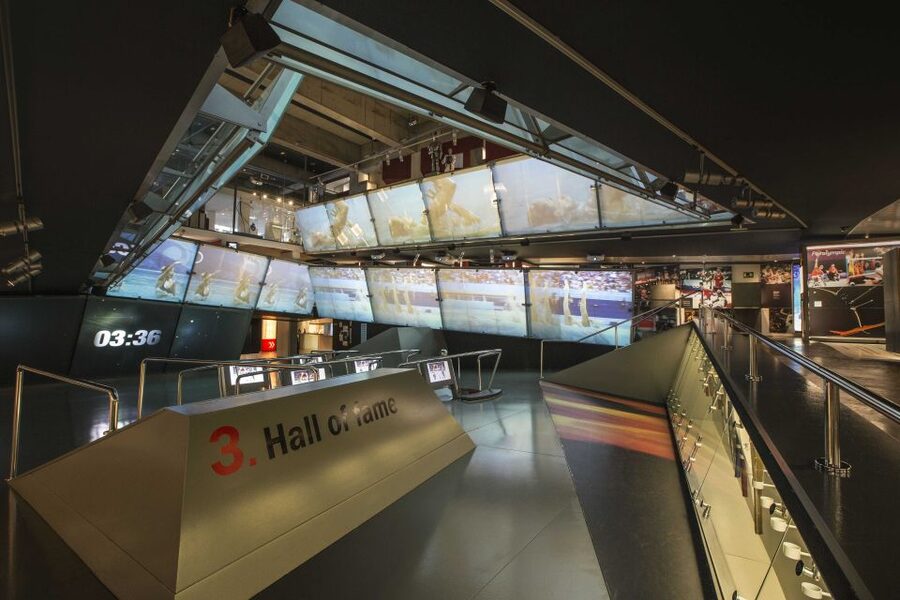
The exhibition is not limited to Olympic disciplines. Football and Formula 1 appear alongside skiing, cycling, canoeing, tennis, and weightlifting.
That range makes the visit work for mixed groups. One person can look at Olympic medals while another checks out racing technology or football displays. You can move between sports rather than follow a single theme from beginning to end.
The museum also presents sport as a combination of skill, equipment, training, and rules. Cycling is not only about speed. Swimming is not only about strength. The displays encourage you to think about technique and body position, even when you are simply using an interactive station.
I would give the sports sections time instead of hurrying straight to the Olympic memorabilia. The museum’s value comes from the combination of historical objects and participation. If you only look at the cases, you will miss much of what makes the visit suitable for children and casual sports fans.
A different sort of day out in Barcelona:
- Barcelona: Park Güell Admission Ticket
★ 4.4 · 76,534 reviews - Barcelona: Casa Batlló Entry with Self-Audioguide Tour
★ 4.7 · 25,359 reviews - Barcelona: 24 or 48-Hour Hop-On Hop-Off Bus Tour
★ 4.4 · 20,872 reviews - Barcelona: Park Guell Guided Tour with Skip The Line Entry
★ 4.7 · 17,563 reviews
The Idols space and athletic objects
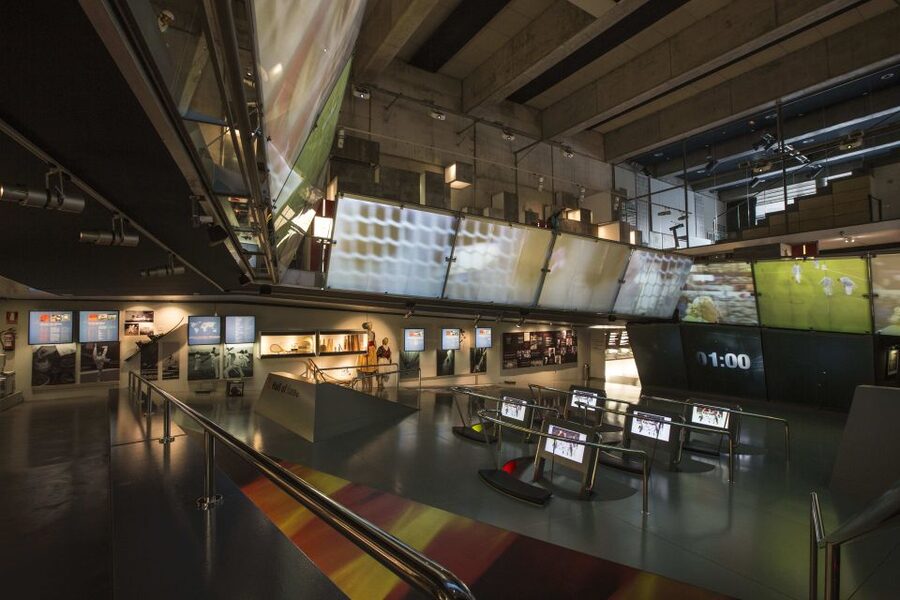
The Idols space focuses on athletes, trophies, milestones, and objects linked with important sporting moments. It is the area to seek out if you enjoy the personal side of sports history.
One playful feature lets you compare your shoes with those worn by athletes such as Michael Jordan, Pau Gasol, and Roberto Dueñas. A simple comparison like this can make an athlete’s size and physical presence more immediate than a statistic on a wall.
You can also see the Samaranch collection. The supplied information does not provide a detailed inventory of that collection, so I would approach it as a chance to examine additional Olympic material rather than expect a specific object.
A live sports match may also be available in this area. Since the program can change, it is best to treat that as a possible extra rather than the main reason to visit.
A separate look at the Paralympic Games
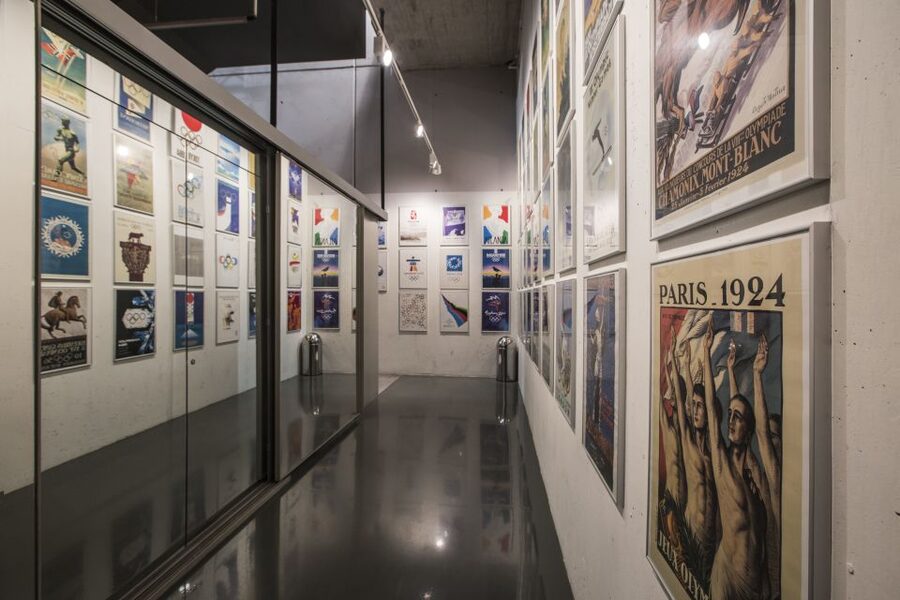
The Paralympic section adds needed breadth to the museum. It traces the history of the Paralympic Games and includes sports such as football for blind and visually impaired players and wheelchair basketball.
This section is not just an appendix to the Olympic story. It shows how athletes adapt equipment, movement, communication, and tactics to different physical conditions. For families, it can open a useful conversation about access and athletic ability without turning the visit into a classroom lecture.
I appreciate having this material in the main museum experience. It gives you a fuller picture of international sport and avoids presenting Olympic achievement as the only form of excellence worth seeing.
Temporary exhibitions through 2025 and 2026
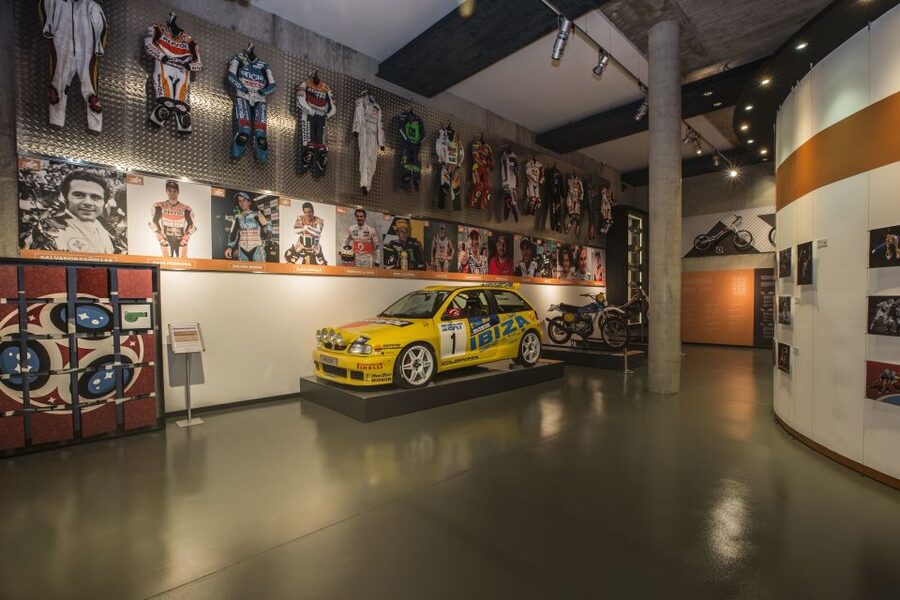
Your admission includes temporary exhibitions, which adds value to the low ticket price. The exact displays have set closing dates, so check the current program if these are a major reason for your visit.
The Values and Emotions of the COPLEFC Photography Contest runs until January 25, 2026. The College of Physical Activity and Sports Professionals of Catalonia began the photography contest in 1999, and its 26 editions have gathered images about physical activity and sport.
This exhibition should appeal to you if you like sport photography more than statistics. Its focus is on the feelings and values produced by movement and competition, with photographs offering different ways to read sport.
The XI Barcelona Olympic Foundation International Art on Paper Award runs until November 9, 2025. The award has been organized since 2010, and the 2025 event marks its twelfth edition.
This display connects art and sport rather than showing only athletic records. It is a useful extra for adults who want a quieter cultural section after the interactive exhibits.
Is $7 a good value?
At $7 per person, the museum is inexpensive by Barcelona sightseeing standards. The price includes entry to the permanent displays, the interactive sports areas, and the temporary exhibitions available during your visit.
The value is strongest if you are visiting with children, have a mixed-interest group, or already plan to spend time on Montjuïc. The museum gives you several types of experience for one modest fee: sports challenges, Olympic history, memorabilia, Paralympic material, and art or photography.
It is less compelling if you want a long, highly detailed account of Barcelona 1992 alone. The local Games are present, but the dedicated section is not especially large. You may also feel that the museum could use more videos showing famous sporting moments.
One verified booking review described the museum as excellent value and quiet, with the nearby stadium adding good views and photographs when open. That combination is worth noting. You can make the museum one stop in a larger Montjuïc day rather than travel across the city for it alone.
Planning the visit on Montjuïc
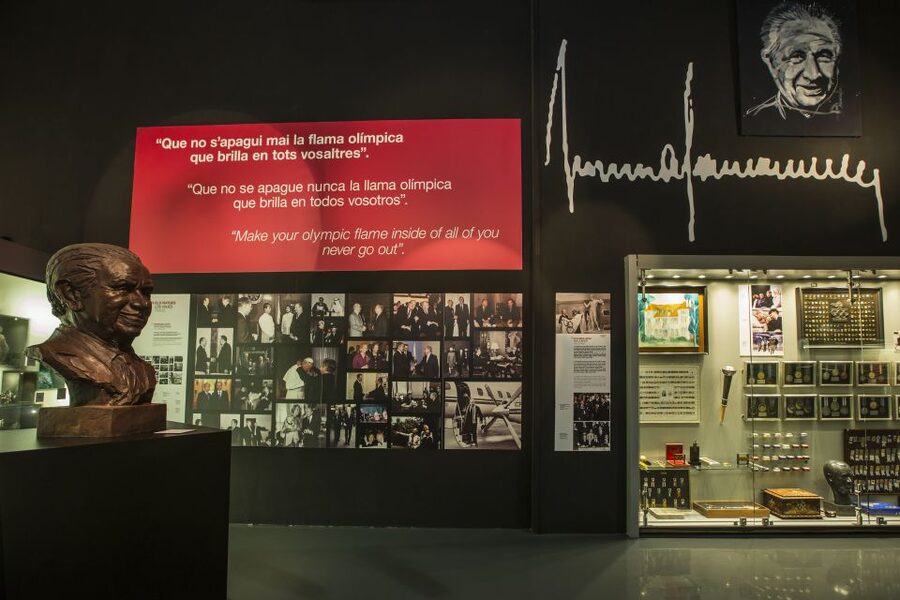
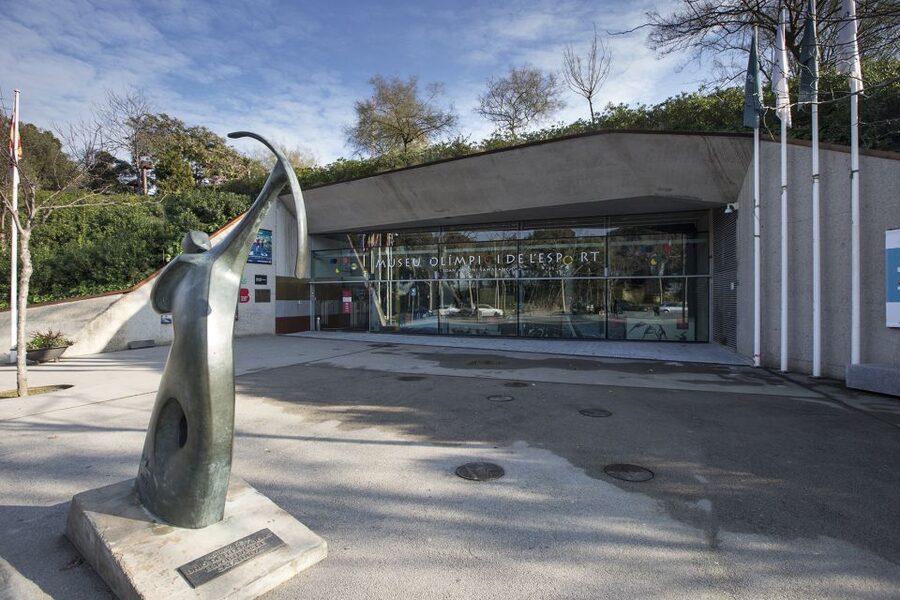
The museum is located on Montjuïc hill, so it fits naturally with other sights in the area. The nearby stadium may be open, and it can provide another look at the Olympic setting and some good photo angles.
The information provided does not specify transport directions, a fixed tour duration, or a required arrival time. You should check the available start times and current opening details before setting your schedule.
The ticket is valid for one day, which gives you flexibility. You can plan the museum around other activities rather than treating it as an all-day commitment. Wi-Fi and toilets are included, practical touches for a family stop.
The host or greeter language is Spanish, and the listed language for the activity is Spanish. If you need detailed explanations in another language, confirm the available support before booking. The exhibits themselves may still communicate through objects, images, and interactive elements, but the supplied details do not promise multilingual guidance.
The museum is wheelchair accessible. Unaccompanied minors are not allowed, so children must visit with an adult.
Who will enjoy this most?
I would recommend the museum to families who want an indoor activity with buttons, games, and movement rather than a purely display-based museum. Children can use the sports activities while adults explore the Olympic story and athlete memorabilia.
It also suits casual sports fans. You do not need to follow every Olympic event or know the names of past champions. The mix of football, Formula 1, cycling, tennis, skiing, canoeing, swimming, and athletics gives you several ways in.
Dedicated Barcelona 1992 fans should visit, but with measured expectations. You will see relevant objects and host-city material, yet the focus is wider than Barcelona alone.
The museum is also a good choice on a quieter Montjuïc day. A 4.4 rating from 65 reviews reflects a generally positive response, and the available comments point to strong value, interesting displays, and useful activities for children. The one clear caution is that the experience may feel lighter on video content and Barcelona-specific detail than some people expect.
Should you book the Olympic and Sport Museum?
Book it if you want an affordable, flexible Montjuïc stop that mixes hands-on sports tests with Olympic history. At $7, it offers enough variety to justify the visit, especially for families and groups with different interests.
I would not make it your only Olympic attraction if your main goal is a major Barcelona 1992 exhibition. Pair it with the nearby stadium or other Montjuïc sights, and the visit makes better sense.
The museum works best when you allow yourself to play with the technology, not just read the panels. Race a champion, compare athletic equipment, look closely at the Paralympic displays, and then step outside to continue exploring Montjuïc.
FAQ
Where is the Olympic and Sport Museum located?
The museum is located on Montjuïc hill in Barcelona, Catalonia, Spain.
How much does admission cost?
Admission costs $7 per person.
How long is the ticket valid?
The ticket is valid for one day. The information provided does not specify a fixed visit duration.
Is the museum suitable for children?
Yes. It includes an interactive sports area and games for children. Unaccompanied minors are not allowed, so children must visit with an adult.
Is the museum wheelchair accessible?
Yes, the activity is listed as wheelchair accessible.
Can I cancel my booking?
You can cancel up to 24 hours in advance for a full refund. A reserve now and pay later option is also available.
Recently added around Barcelona
- Montserrat very early : Hiking, Abbey, very small group★ 5.0 · 127 reviews
- Guided Private Yacht Tour in Barcelona Spain★ 5.0 · 6 reviews
- Private Tour from Barcelona to Costa Brava (with guide)★ 5.0 · 5 reviews
- Private Tour from Barcelona to Montserrat (with guide)★ 4.5 · 6 reviews
- Andorra Tour★ 4.0 · 7 reviews
- Barcelona Gaudi Tour: Sagrada Familia, Casa Batllo & Casa Mila★ 5.0 · 4 reviews
- Street Art, Sculptures & Crime Stories Walking Tour – Barcelona★ 5.0 · 11 reviews
- Wine Tasting in Barcelona (Catalan Varieties) Small Groups★ 5.0 · 10 reviews
Museums, compared.

FC Barcelona Museum “Barça Immersive Tour” Ticket
Read our review →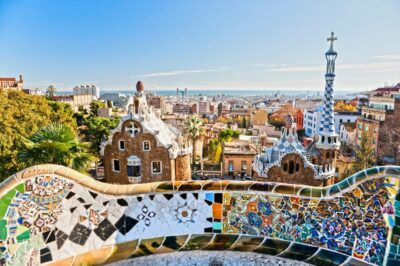
Park Güell and Gaudí House Museum Entry Ticket
Read our review →
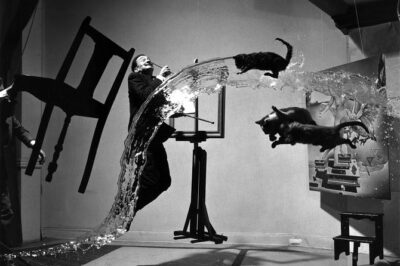
Girona & Dali Museum Small Group Tour with Pick-up from Barcelona
Read our review →

Dali Museum, House & Cadaques Small Group Tour from Barcelona
Read our review →Browse the lists this tour appears in