
Reviewed · MONTJUïC AND MAGIC FOUNTAIN TOURS
Barcelona: Montjuïc Walking Tour With Optional Flamenco Show
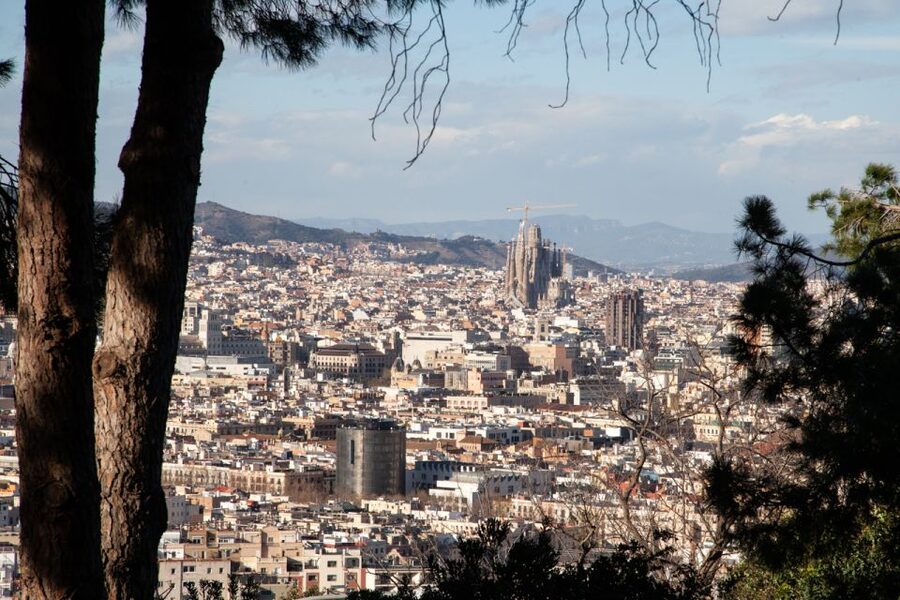
Montjuïc is more than a hill with a good view. It is a layered corner of Barcelona, where castle walls, flower gardens, dance monuments, and old legends appear one after another. This 2 to 3 hour walk starts outside Montjuïc Castle and heads downhill toward the Magic Fountain, with plenty of stops for city views and local stories.
I like the route through Joan Brossa and Laribal Gardens, especially the links to Catalan dance and the old tales of witches gathering on the hill. I also like the choice built into the experience: you can add a guided castle visit or finish the day with flamenco. The main drawback is the amount of stair climbing, and one uneven experience is possible if your guide gives less historical detail than expected.
Key points to know before booking

- The route is mainly downhill: You begin at Montjuïc Castle and finish at the Magic Fountain, but stairs still appear along the way.
- The gardens are the heart of the walk: Joan Brossa and Laribal Gardens provide flowers, sculptures, waterfalls, monuments, and shady paths.
- Catalan and flamenco dance both get attention: You will see a monument to La Sardana and another honoring Carmen Amaya.
- The castle visit is an optional upgrade: Add a guided look inside the 17th-century fortress before the walking tour.
- The evening flamenco option is separate: Shows take place at El Paraigua, in a historic setting linked to an 11th-century convent, with a complimentary drink.
- The price is reasonable for a guided introduction: At $34 per person, the basic tour works best for first-time visitors who want orientation, views, and stories without committing to a full-day excursion.
Why Montjuïc makes a good half-day introduction
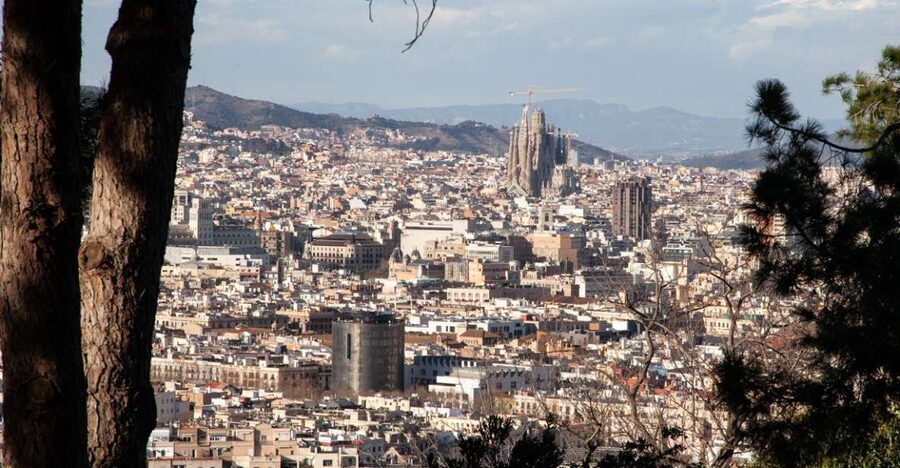
Montjuïc gives you a different view of Barcelona. From street level, the city can feel tightly packed and busy. Up here, the pace slows, and the city opens below you. You see broad views from the hill, then move through gardens where the sound and feel change from one section to the next.
The tour begins outside Montjuïc Castle at the coordinates 41.36396300563352, 2.167071231085228. Your guide will hold an ExperienceFirst sign. This detail matters because the meeting point is at the top of the hill, not near the Magic Fountain where the walk ends.
I would plan your route to the meeting point in advance. The experience does not include transportation to the castle, and arriving late at the top could be awkward. Some people choose to take the cable car up and visit the castle first, which is a sensible way to combine the optional upgrade with the walk.
The basic tour costs $34 per person. That is fair if you want a guide to connect the views, gardens, monuments, and stories. It is less convincing if you are comfortable reading maps and exploring gardens on your own. The route itself is not difficult to understand, but the value comes from the explanation at each stop.
More Montjuïc and Magic Fountain Tours in Barcelona:
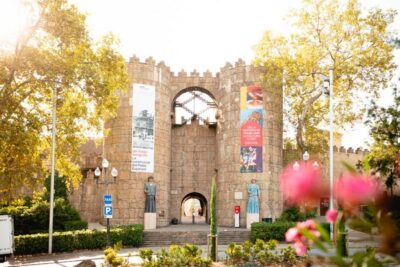
- Barcelona: Poble Espanyol Entry Ticket
★ 4.1 · 3,137 reviews - Barcelona all included: Sagrada, Park Güell, Montjuic & Gothic
★ 5.0 · 2,169 reviews - Barcelona: Walking tour with Montjuic Castle & Cable Car
★ 4.7 · 832 reviews
Starting at Montjuïc Castle
Montjuïc Castle gives the tour a strong opening. The fortress dates from the 17th century and sits high above Barcelona, so the first views are already impressive. The castle also gives your guide a natural place to explain how Montjuïc relates to the foundation and growth of the city.
The standard walking tour begins outside the castle. If you pay for the upgrade, you visit the fortress with a guide before starting the garden walk. I would consider this upgrade if you enjoy military history or want extra time at the best viewpoints.
The castle is also a practical place to begin because the rest of the route moves downhill. That does not mean you avoid all effort. You will still encounter stairs, and the tour is not suitable for wheelchair users or strollers. Comfortable shoes are essential, especially if rain has made the paths slick.
The tour runs rain or shine. Barcelona weather can change quickly on an exposed hill, so bring a light rain layer when the forecast looks uncertain. There is no reason to wear formal clothes, even if you plan to attend the flamenco show later.
Mirador del Alcalde and the story of the hill
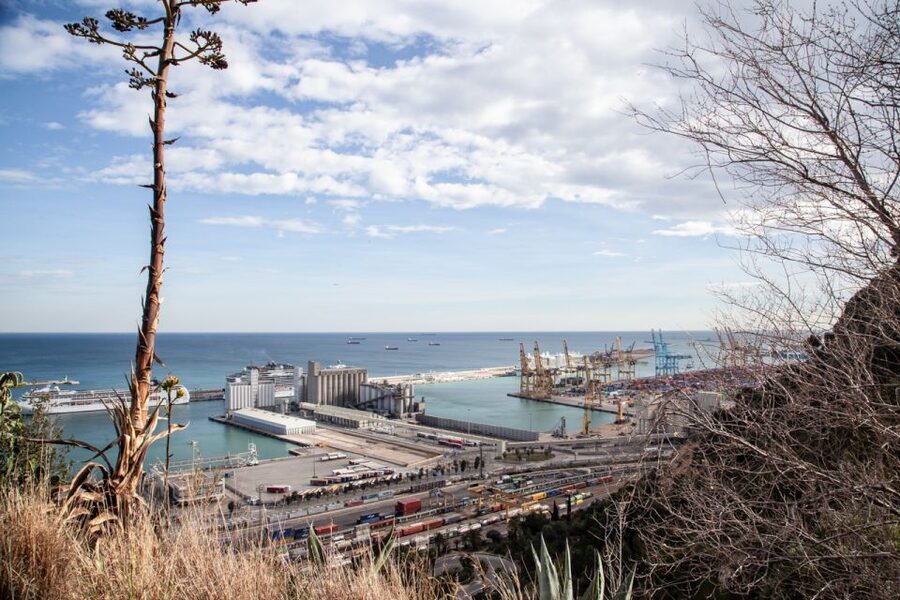
The Mirador del Alcalde is one of the main viewing points on the route. This is where you get a broad panorama of Barcelona and hear about the migrant community that once lived on Montjuïc. That story adds needed depth to what could otherwise be just a pleasant walk between viewpoints.
I like this stop because it places the hill in a human context. Montjuïc has not always been a polished public garden. Its uses and communities have changed over time, and the guide explains those shifts while you look out over the city.
Give yourself a moment here to take photographs. The views are one of the main reasons to book the tour, but the guide will also be speaking, so listen first and take pictures between explanations. If photography is a top priority, you may want to arrive early at the meeting point, since the formal tour has its own pace.
The hilltop views are broad rather than intimate. You will not get the close street scenes of the Gothic Quarter or the grand interiors of the city center. Instead, Montjuïc helps you understand Barcelona from above, with its neighborhoods and major buildings spread out below.
Joan Brossa Gardens and Catalan dance
The route continues through the Joan Brossa Gardens, a more relaxed section filled with greenery, sculptures, and open paths. The gardens were once associated with an amusement park, and the modern setting gives the walk a lighter mood after the fortress and overlook.
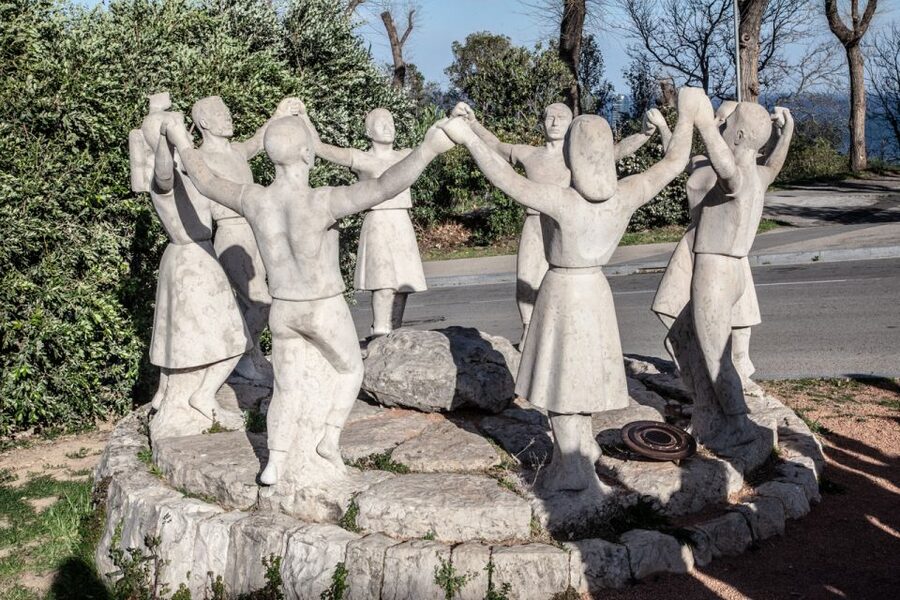
One of the most useful stops here is a statue connected to La Sardana, the traditional Catalan circle dance. The monument gives the guide a way to explain an important local custom rather than simply pointing out another sculpture.
I like this part of the tour because it introduces Catalan culture through movement. La Sardana is not presented as a distant museum subject. It becomes part of the story of how people in Catalonia express identity and community.
You should not expect a dance lesson as part of the walk. The point is cultural background and interpretation. If you want a fuller look at Catalan traditions, pay attention to this stop and ask your guide questions while the group is gathered.
The garden paths make a pleasant contrast with the castle. You are still on Montjuïc, but the mood is softer, with plants, sculptures, and spaces for a slower stroll. The route is not simply a straight march from one monument to the next.
More Barcelona Flamenco Shows:
- Barcelona: Tablao Flamenco Cordobes Show and Drink in Rambla
★ 4.6 · 3,822 reviews - Tablao Flamenco Cordobes on Rambla Barcelona with Dinner Option
★ 4.5 · 2,756 reviews - Barcelona: Flamenco Show with Drink at La Rambla
★ 4.6 · 2,090 reviews - Barcelona: Flamenco Show with Dinner at Tablao de Carmen
★ 4.7 · 2,009 reviews
The Carmen Amaya monument
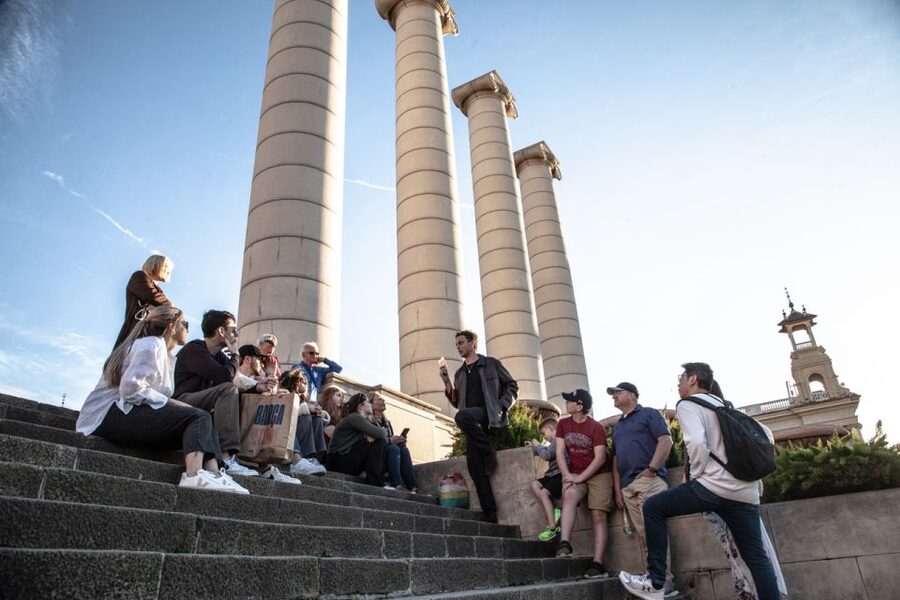
The next dance-related stop honors Carmen Amaya, one of the best-known flamenco dancers associated with Barcelona. Her monument creates a bridge between Catalan dance traditions and the optional flamenco show later in the evening.
This is a useful detail because the flamenco add-on does not feel completely disconnected from the daytime tour. You first encounter dance as public art and local memory, then have the option to see live music and dance at night.
Still, keep your expectations in check. The daytime stop is a monument and a short explanation, not a performance. The flamenco show is also a separate evening activity, so you need to make your own way to the venue later.
For visitors interested in Spanish dance, the combination makes sense. You get a little context during the walk, then a more focused performance afterward. For people who only want the hill and gardens, the basic tour is perfectly complete without the evening addition.
Laribal Gardens and Montjuïc’s darker stories
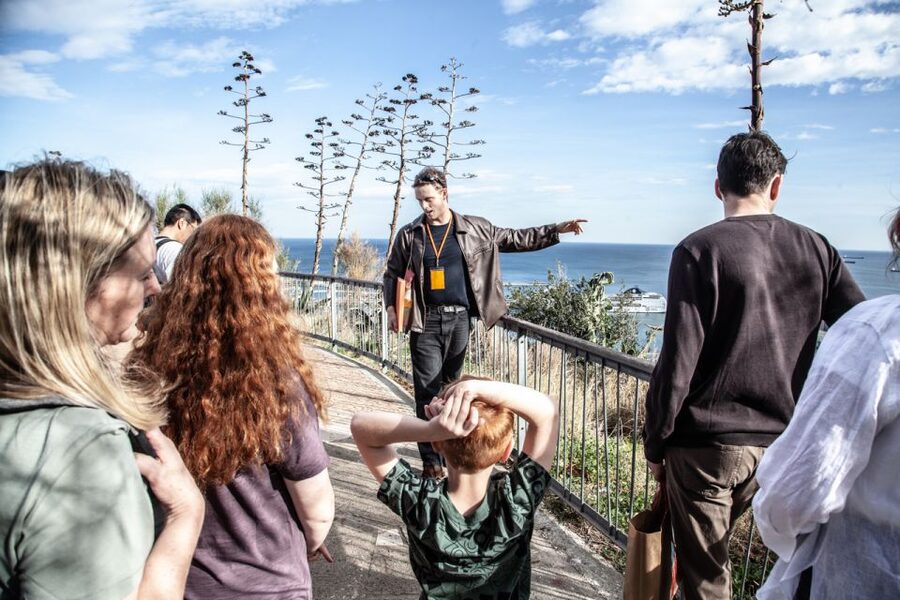
Laribal Gardens brings fountains, flowers, terraces, sculptures, and small waterfalls into the route. This is one of the most attractive portions of the walk, but it is also where the guide adds a more mysterious tone.
Local stories say witches and wizards once gathered on Montjuïc. Your guide uses those tales to show another side of the hill, then leads the group down through the gardens along paths associated with those old stories.
I enjoy this change of mood. Barcelona tours can sometimes become a sequence of buildings and dates. The legends make Montjuïc feel less tidy and more atmospheric, even if you treat the stories as folklore rather than documented fact.
The gardens also require attention to footing. The route includes stairs, and the downhill direction can make you relax too soon. Wear shoes with a firm sole and keep your hands free for railings and photographs.
Laribal Gardens are best appreciated at a walking pace. You will see more than one grand viewpoint here. The smaller details, such as water features, flowers, and garden design, reward you for not hurrying toward the next major landmark.
The Greek Theater and the 1929 exposition
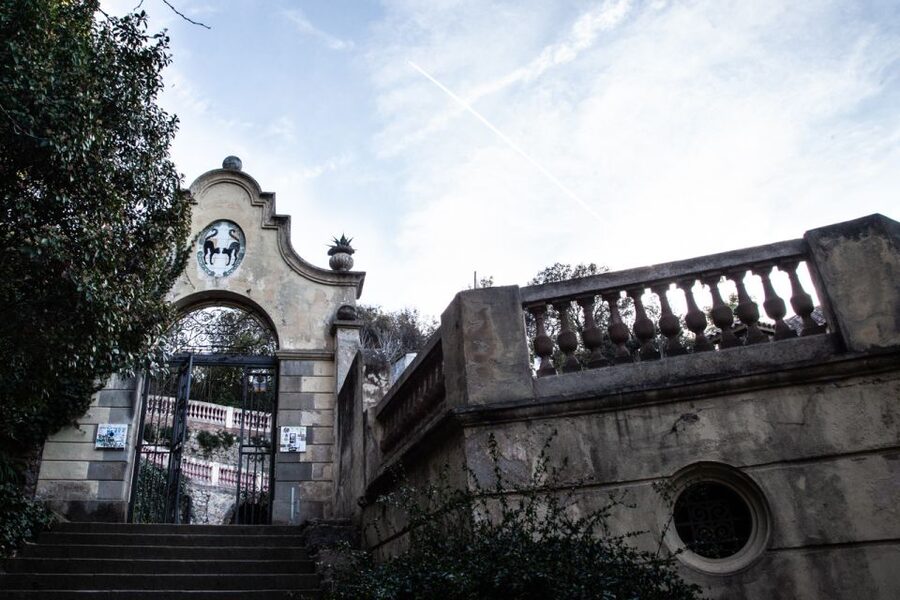
The walk then reaches the Greek Theater, built for the 1929 Barcelona International Exposition. It is an important reminder that Montjuïc was reshaped for major public events and cultural displays, not only military purposes.
The theater gives the route a clear historical marker. At the castle, the hill feels defensive. In the gardens, it feels recreational and artistic. At the Greek Theater, you see how Barcelona used Montjuïc to present itself to the world.
The information provided for the tour does not promise a full interior visit or a performance at the theater. Think of it as a guided exterior stop within the larger route. Your guide explains its role, and you continue toward the fountain area.
This is a good point to notice how the tour works best. You are not spending hours inside one museum. Instead, you are moving through several settings, with each one adding a piece to the story of the hill. That format suits you if you prefer walking and variety over a long indoor lecture.
Finishing at the Magic Fountain
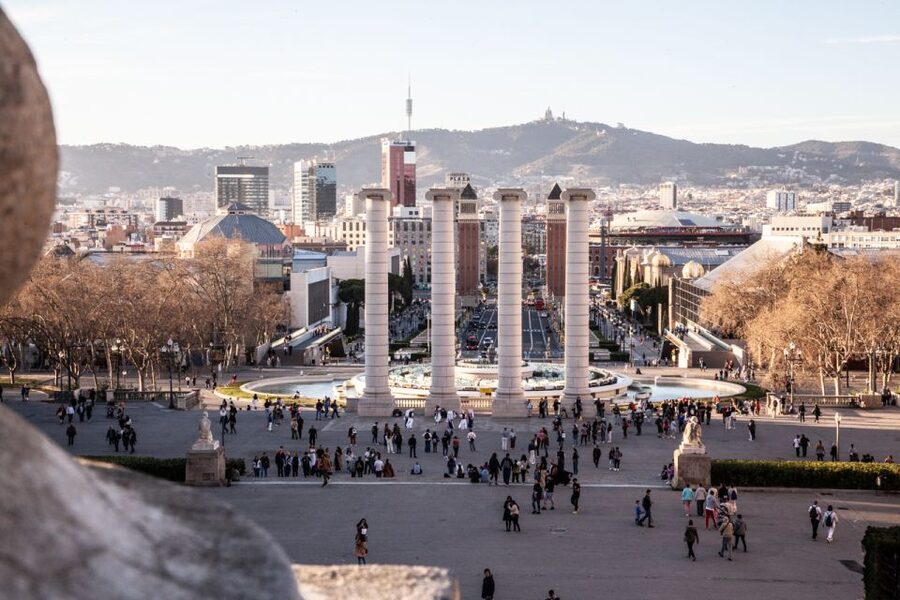
The final stop is the Magic Fountain of Montjuïc, near the Museum of Catalan Art and a walkway lined with shallow waterfalls. The setting gives the tour a strong finish, with grand architecture and open space replacing the narrower garden paths.
The fountain itself is the endpoint, not a promised fountain show. The supplied details do not give a performance schedule, so do not book this tour assuming you will see the water, music, and lights in operation.
The end point is convenient for continuing your day around the lower part of Montjuïc. It also lets you compare the hilltop views with the formal buildings and open spaces below. The route has taken you from fortress to gardens, from legends to dance, and from old paths to an exposition-era monument.
The downhill direction is helpful, but the walk still lasts two to three hours. You should not plan a tight reservation immediately afterward, especially if you stop often for photographs or the guide takes extra time at the viewpoints.
Adding the castle and flamenco upgrades
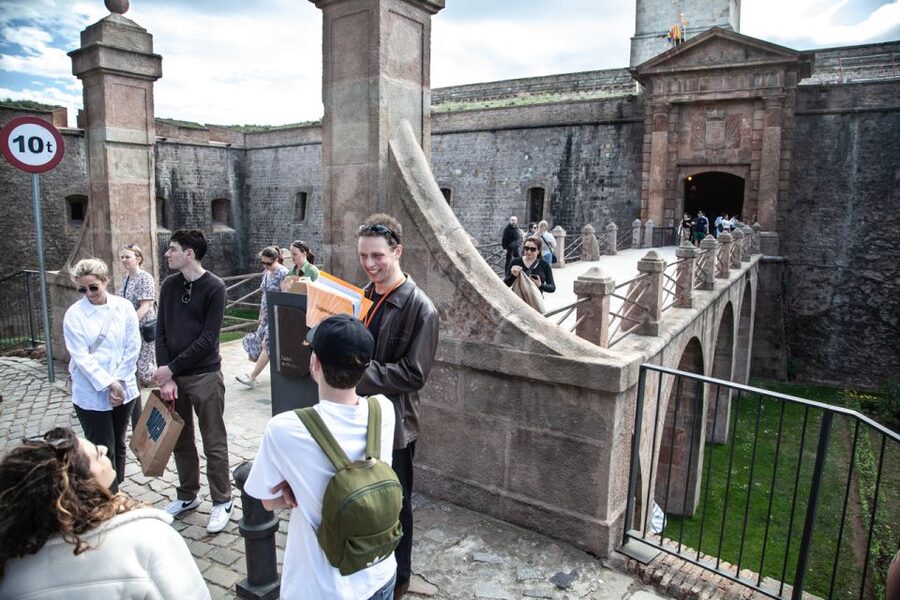
The castle upgrade is the most natural addition to the daytime tour. It gives you a guided visit inside the fortress before the group heads through the gardens. Choose it if you want more than exterior views or if Montjuïc Castle is high on your Barcelona list.
The flamenco upgrade changes the shape of your day. The show begins at 9 p.m. on Fridays and Saturdays, with additional 7 p.m. options on those days and at 7 p.m. on Wednesdays. It takes place at El Paraigua, Carrer del Pas de l’Ensenyança 2.
The venue is an intimate space in the walls of an 11th-century convent, below a historic tapas bar. Your ticket includes one complimentary drink. When you arrive, give the name used for the booking.
I like this option for people who want an evening performance in a smaller setting rather than a large theater production. The daytime tour has already introduced Carmen Amaya and dance traditions, so the show feels connected to the route.
Do remember that the venue is not at the Magic Fountain. You need to account for the separate evening location and the gap between the walking tour and the performance. The show upgrade is available only on the stated Wednesday, Friday, and Saturday schedules.
Guides, pace, and the mixed experience
The tour is conducted in English by a live guide. Several guides have received especially warm praise, including Thomas, Eoghan, and Daria. The strongest descriptions focus on their humor, kindness, and ability to explain local culture in an approachable way.
That personal quality matters on a walking tour. A good guide can turn a statue, garden path, or viewpoint into a reason to pause. Thomas has been described as funny and full of information, while Eoghan and Daria also received strong praise for their friendly presentation.
You should also know that guide performance can vary. One past participant found the tour poorly managed and felt the guide offered too little information. That is a fair warning because the walk covers public spaces you could visit without a ticket.
The overall rating is 4.8 from 21 reviews, which suggests a strong experience overall, but not a guarantee that every departure will feel identical. If your main goal is detailed history, use the meeting point to ask your guide what the route will cover and stay close enough to hear the explanations.
Who gets the best value from the $34 price
At $34, the basic tour is good value for a first visit to Barcelona if you want structure and company. You are paying for an English-speaking guide, a planned route through several gardens, historical interpretation, and help finding viewpoints that might otherwise blur together.
The value is weaker if you already know Montjuïc well or enjoy exploring without a schedule. The gardens and Magic Fountain area are public places, and the tour does not include a meal, transportation, or a fountain performance.
I would recommend the castle upgrade for history-minded visitors and the flamenco upgrade for people who want a full cultural day. If your budget allows only one addition, choose based on your interests: the castle adds more daytime history, while flamenco adds a separate evening event.
The free cancellation policy allows you to cancel up to 24 hours before the tour for a full refund. You can also reserve now and pay later, which helps if your Barcelona schedule is still changing.
Should you book this Montjuïc walk?
Book it if you are visiting Barcelona for the first time and want to understand Montjuïc without planning every path yourself. The combination of panoramic views, gardens, dance monuments, folklore, and the Magic Fountain gives you a useful introduction in a manageable two to three hours.
Add the castle if you want to go inside the 17th-century fortress. Add the flamenco show if you like live dance and can manage the separate evening venue and schedule.
Skip it if you want a fully self-guided stroll, dislike stairs, or expect a long museum-style history lesson. The best reason to choose this tour is not simply to walk downhill. It is to have a guide connect Montjuïc’s changing roles, from fortress and migrant settlement to garden, theater, and cultural meeting place.
FAQ
Where does the Montjuïc walking tour begin?
The tour begins outside Montjuïc Castle. The meeting coordinates are 41.36396300563352, 2.167071231085228, and the guide will hold an ExperienceFirst sign.
Where does the walking tour finish?
The tour finishes at the Magic Fountain of Montjuïc.
How long does the tour last?
The walking tour lasts approximately two to three hours.
Is the tour conducted in English?
Yes. The experience includes a live English-speaking guide.
Can I visit inside Montjuïc Castle?
Yes, but the guided castle visit requires an optional upgrade. It takes place before the garden walking tour.
Is the flamenco show included in the basic ticket?
No. The flamenco show is an optional upgrade. The ticket includes a complimentary drink, and the show takes place at El Paraigua, Carrer del Pas de l’Ensenyança 2.
Is the tour suitable for wheelchair users or strollers?
No. The route includes stairs and is not suitable for wheelchair users or strollers. Comfortable shoes are recommended.
More Barcelona Walking Tours
- Barcelona Tapas and Wine Experience Small-Group Walking Tour
★ 5.0 · 5,804 reviews - Barcelona: Tapas Walking Tour with Food, Wine, and History
★ 4.8 · 4,261 reviews - Barcelona Tapas Walking Tour: Food, Wine & History
★ 4.5 · 1,928 reviews - Barcelona: Tapas Food Crawl Walking Tour with Tastings
★ 4.9 · 1,798 reviews
Recently added around Barcelona
- Montserrat very early : Hiking, Abbey, very small group★ 5.0 · 127 reviews
- Guided Private Yacht Tour in Barcelona Spain★ 5.0 · 6 reviews
- Private Tour from Barcelona to Montserrat (with guide)★ 4.5 · 6 reviews
- Private Tour from Barcelona to Costa Brava (with guide)★ 5.0 · 5 reviews
- Andorra Tour★ 4.0 · 7 reviews
- Barcelona Gaudi Tour: Sagrada Familia, Casa Batllo & Casa Mila★ 5.0 · 4 reviews
- Street Art, Sculptures & Crime Stories Walking Tour – Barcelona★ 5.0 · 11 reviews
- Wine Tasting in Barcelona (Catalan Varieties) Small Groups★ 5.0 · 10 reviews
Montjuïc and Magic Fountain Tours, compared.
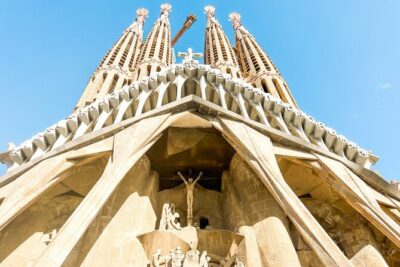
Barcelona all included: Sagrada, Park Güell, Montjuic & Gothic
Read our review →
E-Bike Tour with Montjuic Cable Car & Boat Ride
Read our review →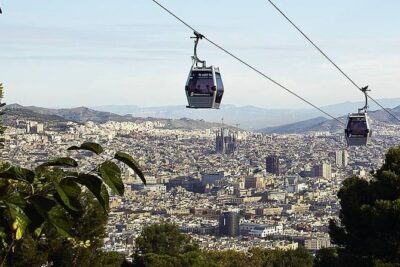
Old Town, Montjuic Castle, Cable Car Small Group Tour
Read our review →

Barcelona E-Bike Guided Tour with Montjuic Hill
Read our review →Browse the lists this tour appears in