
Reviewed · BARCELONA PAELLA COOKING CLASSES
Barcelona: Paella Cooking Class with Market Visit and More
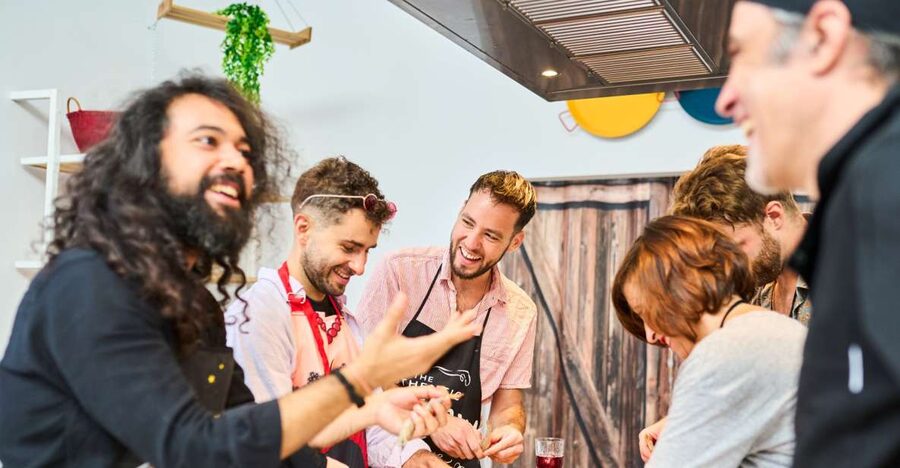
La Boqueria is not just a backdrop here. You walk through its seafood and produce stalls with a chef, learn what to look for, then carry those lessons into a hands-on paella class nearby. You also make sangria, share seasonal tapas, and finish with dessert.
I like the market lesson because it gives you useful food knowledge rather than a quick photo stop. I also like the friendly, social format, with chefs such as Maria, Hugo, Simon, Yaya, and Alberto guiding the cooking and bringing people together over a shared meal. The main consideration is seafood: that is the star of the standard paella, and some non-seafood diners may cook a separate chicken or vegetarian version.
Key points to know
- La Boqueria comes first: Walk through Barcelona’s famous market and learn how to choose seafood and other fresh ingredients.
- You do the cooking: Prepare paella, sangria, tapas, and a Spanish dessert instead of simply watching a chef work.
- The paella lesson goes beyond basics: You learn about sofrito, seafood preparation, cooking technique, and the prized socarrat, the crisp rice layer at the bottom.
- Dietary adjustments are possible: Chicken, vegetarian, and other alternatives have been arranged for participants, though the setup may vary by class.
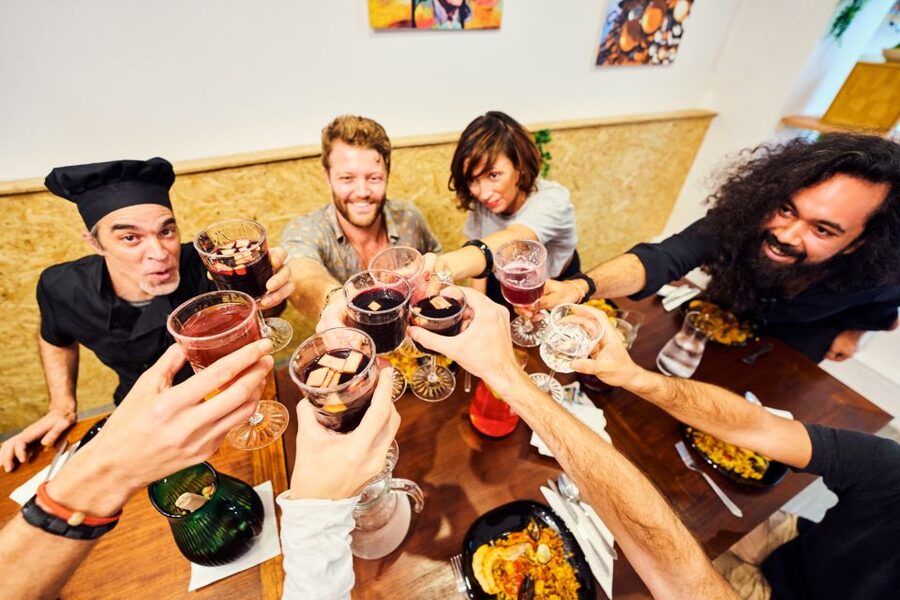
- The social setting is part of the value: You cook and eat family-style with a small group, often meeting people from several countries.
- Plan for a three-hour block: The class usually runs between two and a half and three hours, with light walking before and after the market.
Starting at La Boqueria, Barcelona’s food classroom
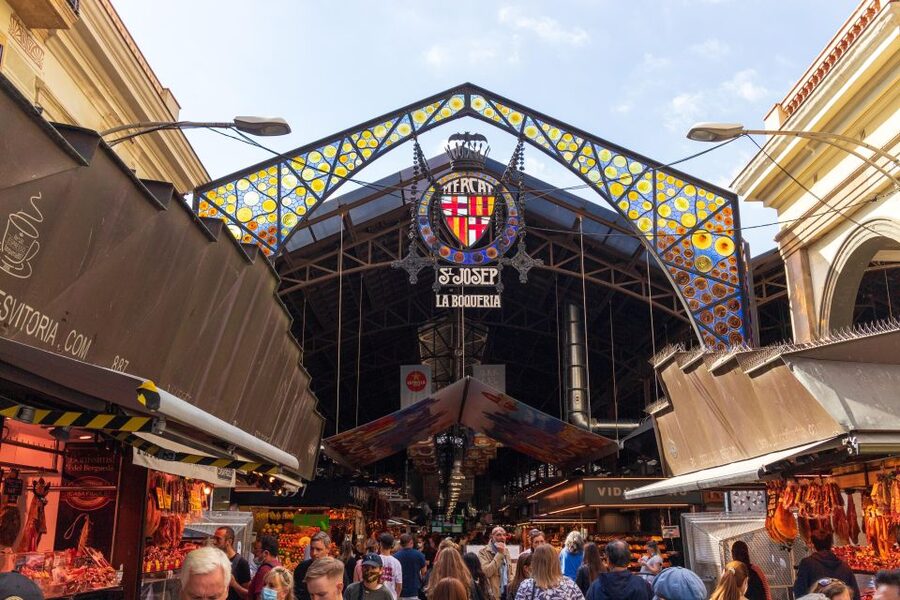
The meeting point is near La Rambla, close to the Mercado de la Boqueria. Arrive early. The market walk is an important part of the class, and arriving late can mean missing both the opening instructions and the market visit.
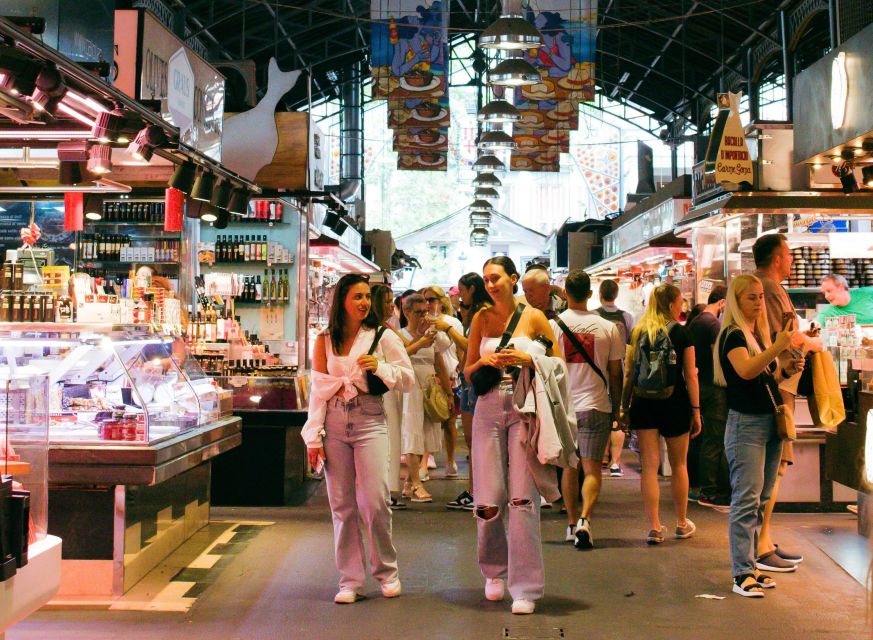
With your chef leading the way, you look at seafood, vegetables, spices, and other ingredients used in the meal. The useful part is not simply seeing colorful stalls. You learn how to judge freshness and how the ingredients fit into a proper paella.
The seafood lesson can be quite practical. Depending on the day and the class menu, you may prepare items such as shrimp, calamari, cockles, and mussels. The chef can explain how to handle shellfish and remove a shrimp’s shell, which is the sort of small skill that makes the later cooking feel real rather than staged.
The walk is light, but it is still walking. La Boqueria can be crowded, and the group may need to stay together while moving through the market. Wear comfortable shoes and keep your belongings secure, just as you should anywhere near La Rambla.
The market visit is not offered on Sundays, public holidays, or during the 9 p.m. class because the market is closed or unavailable. The cooking class still takes place, but you lose one of its most distinctive parts. I would choose a weekday or Saturday daytime session if seeing La Boqueria is a priority.
More La Boqueria and Market Tours in Barcelona:
- Barcelona: Paella Cooking Experience & Boqueria Market Tour
★ 4.8 · 3,661 reviews - Barcelona Paella Cooking Class with Market Visit, Tapas & Sangria
★ 5.0 · 2,531 reviews - Half-Day Spanish Cooking Class & Boqueria Market Tour
★ 4.9 · 383 reviews
Walking from the market to the kitchen
After the market, you walk a few blocks to the cooking space. Some sessions may begin at one kitchen and continue at another nearby location, so do not be surprised if the class is not held at exactly the first door you see.
This short walk helps connect the two halves of the activity. You have just looked at the ingredients, and now you use them. The setting is described as a welcoming shared kitchen, with work stations, cooking tools, aprons, and the supplies needed for the meal.
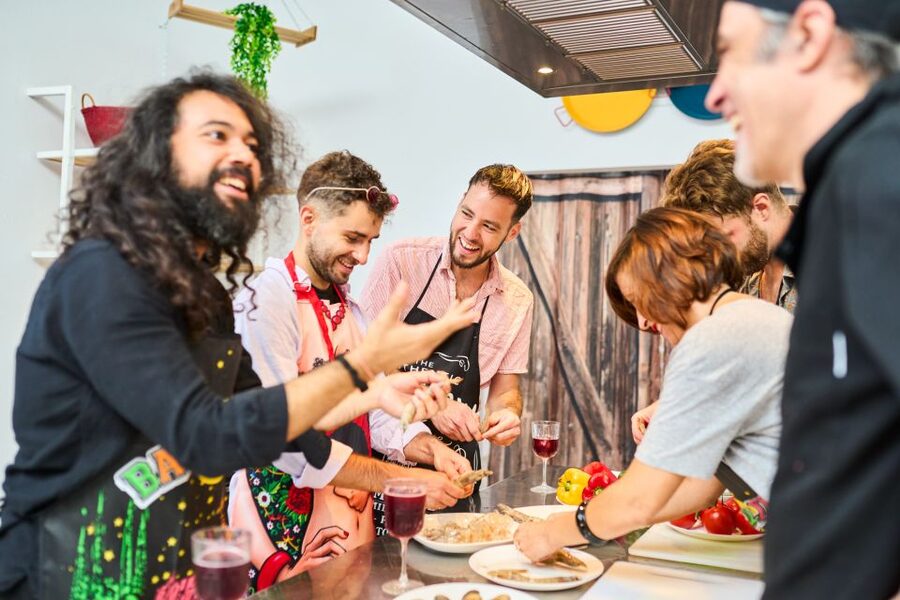
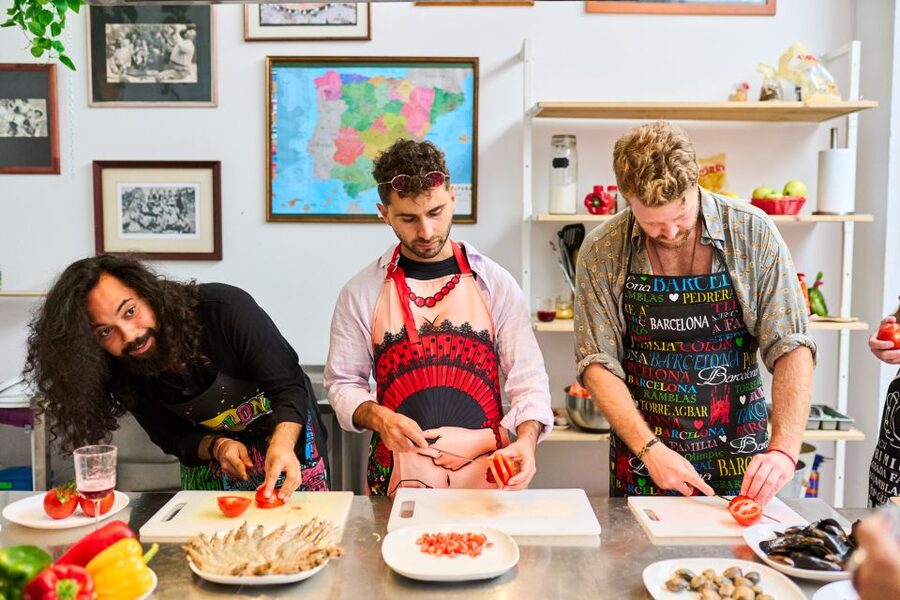
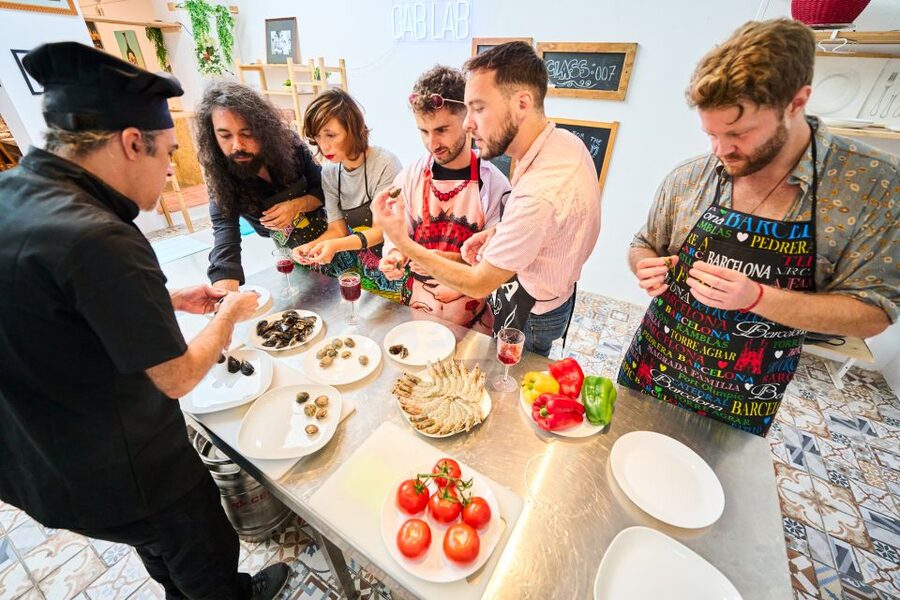
The format is social but still practical. You are not seated at a demonstration counter while a chef does everything. You help prepare ingredients, follow instructions, and take part in the cooking. The size can vary, but the class is designed to feel personal, and many sessions include around ten people or a similarly manageable group.
That matters if you want to ask questions. Chefs such as Hugo, Maria, Simon, Yaya, Bibi, Alberto, and others have been praised for keeping the group involved and explaining not only what to do, but why a step matters. The class is conducted in English and Spanish.
Making sangria before the main course
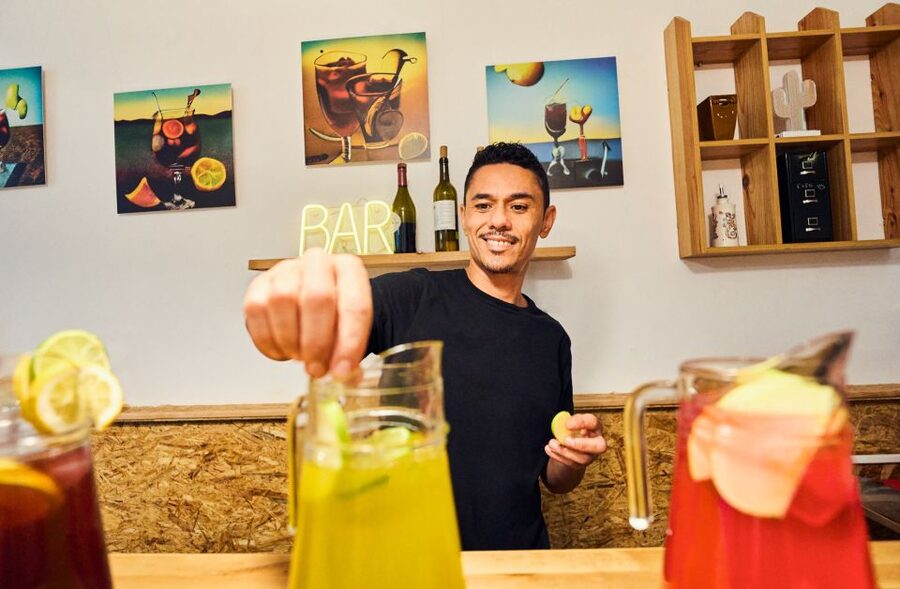
Sangria is woven into the class rather than added as a drink at the end. You prepare it with Spanish wine and fresh local fruit, then share it while the cooking gets underway.
This is a good opening activity because it is simple enough for everyone. You can take part even if you have little cooking experience, and it gives the group a chance to talk before the more involved paella preparation begins.
Alcohol is part of the standard sangria activity, but non-alcoholic sangria, bottled water, and juice are included as options. Coffee is not included. If coffee matters to you, plan to have it before or after the class rather than expecting it with dessert.
The amount of food and drink is one reason the $95 price can make sense. You are not paying for a short demonstration and a single plate. The fee covers the market visit, ingredients, tools, tapas, sangria, paella, dessert, and recipes to take home.
Preparing paella with a chef at your side
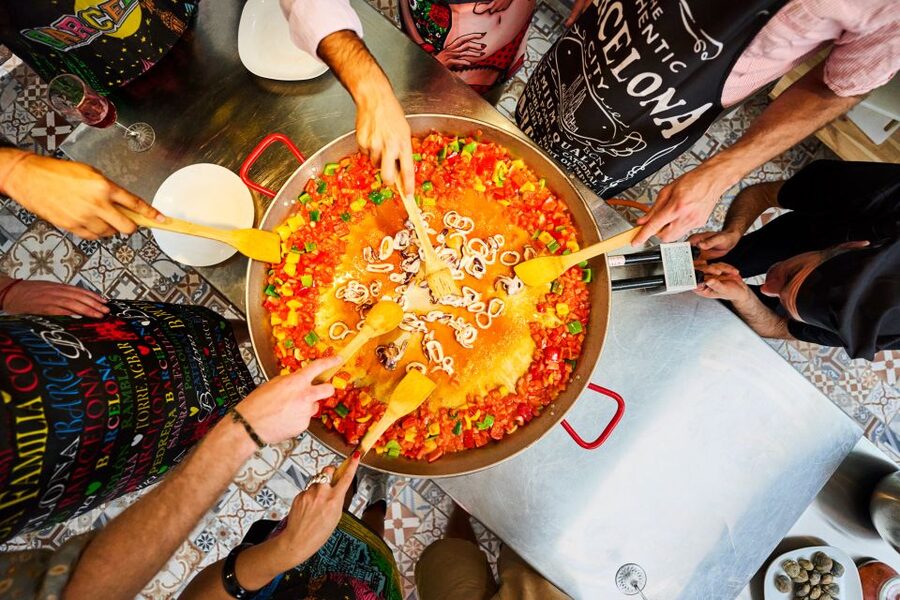
The central lesson is traditional paella, prepared with guidance from the chef. Depending on the class and dietary needs, the group may make seafood, chicken, or vegetarian paella. You work through the preparation rather than simply watching the pan.
A key lesson is the sofrito, the cooked base that gives the dish its depth. The chef also explains the order in which ingredients go into the pan and how the rice absorbs the cooking liquid. These details are important because paella is not just rice mixed with seafood. Timing, heat, and the handling of ingredients shape the final result.
The lesson also covers socarrat, the crisp layer of rice that forms at the bottom of the pan. It is a small detail, but it is often the difference between ordinary rice and a paella that feels properly finished. You may not reproduce it perfectly on your first try at home, but you leave with a much better idea of what to watch for.
Seafood preparation is a hands-on part of the class. You might clean or prepare shellfish, calamari, and shrimp under instruction. This is useful if you have always enjoyed seafood in restaurants but never felt comfortable preparing it yourself.
The meal is served family-style, so the paella is shared after the cooking is complete. Portions have been described as generous, with enough food for seconds in some sessions. The combination of cooking and eating makes the meal feel like the payoff to the lesson, not a separate restaurant course.
More Barcelona Cooking Classes:
- Barcelona Interactive Spanish Cooking Experience
★ 4.5 · 2,155 reviews - Paella Cooking Class with Professional Chef: Four Course Dinner
★ 5.0 · 561 reviews - Premium Paella Cooking Class & 10 Spanish Tapas
★ 5.0 · 312 reviews - La Boqueria Market and Paella Cooking Class in Barcelona
★ 5.0 · 229 reviews
Tapas and dessert round out the meal
Before or alongside the paella, you receive a selection of seasonal tapas. The exact dishes can change, which is appropriate for a class built around fresh ingredients. Tapas give you a taste of Barcelona’s small-plate tradition and make the waiting time during the paella preparation more enjoyable.
Dessert is also included. The class commonly features a Spanish almond cake, though the final sweet course is described as a classic Spanish dessert with show-cooking. You watch part of its preparation and then finish the meal with it.
This extra food is important when judging the price. At $95 per person, the class is not the cheapest way to eat paella in Barcelona. But you are also receiving instruction, market guidance, several food courses, drinks, a social activity, and recipes. If you want a restaurant meal alone, this is not the economical choice. If you want dinner plus a practical food lesson, the value is much stronger.
What the chefs add to the experience
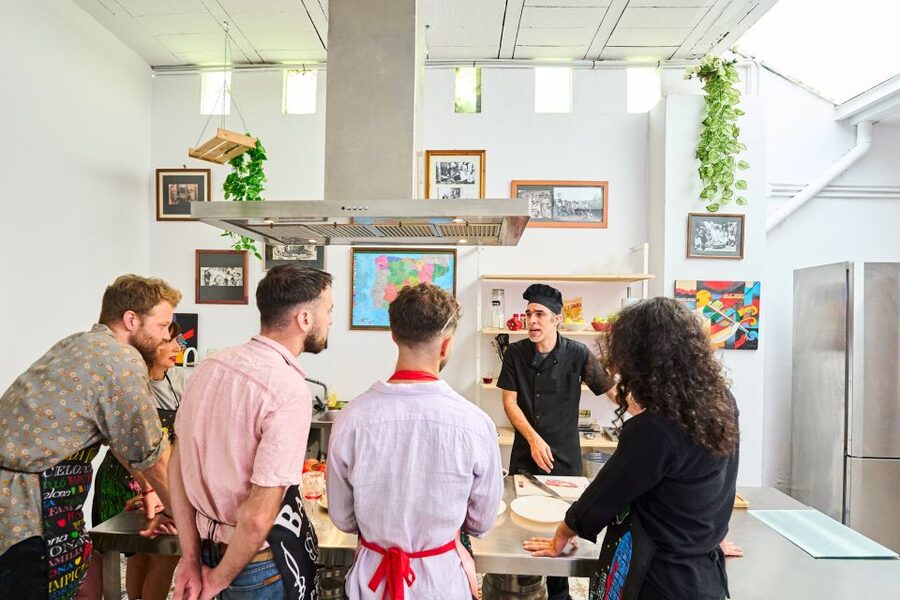
The chef can make or break a cooking class, and the named instructors here receive especially strong praise. Maria is noted for her market guidance and care with different diets. Hugo is described as warm, clear, and good at explaining seafood and paella preparation.
Simon is another frequently praised instructor, with a style that combines food knowledge, organization, and humor. Yaya has been singled out for creating a fun evening, while Bibi and Alberto have been recognized for keeping the group involved and explaining the steps clearly.
The staff lineup can change, so you should not book solely to get one particular chef. Still, the pattern is useful: the class depends heavily on active instruction, not a scripted lecture. You can expect the chef to answer questions, explain ingredients, and help people at different cooking levels.
The group atmosphere is part of the design. If you come alone, the shared format gives you an easy way to meet people. If you come with family, you can cook together and divide tasks. One family with children and teenagers found the activity suitable across several age groups, which says something about its broad appeal.
Seafood, vegetarian, and other dietary needs
Seafood is central to the classic version, so be clear about what you want when the class begins. The chef asks about dietary needs at the start, and alternatives have been provided for vegetarians, non-seafood eaters, and some allergies.
Chicken paella is one possible substitute. Vegetarian versions have also been prepared, and participants avoiding meat or dairy have been included in the cooking process. The chef may prepare a separate pan or station, depending on the class setup.
This is the one area where I would keep expectations realistic. An alternative dish may not always be cooked in the exact same pan or at the same station as the main seafood paella. One participant found that being the only non-seafood eater meant working somewhat apart from the larger group, even though the chicken paella was excellent.
If food restrictions are central to your decision, ask about the arrangement at the beginning of the class. The provided instructions say you do not need to contact the company in advance because the chef will ask when you arrive, but arriving early gives you time to explain your needs clearly.
Choosing the best class time
Classes are offered at 10:00, 11:00, 14:00, 18:00, 19:00, and sometimes a 21:00 session. The exact schedule depends on availability.
The 10 a.m. class works well if you want a paella lunch and the rest of the afternoon free. It also allows you to visit La Boqueria when the market portion is available. The afternoon sessions suit a later lunch, while the evening classes turn the activity into dinner with drinks and a shared table.
Avoid the 9 p.m. class if the market visit is important. The market portion is not included during the last class. The same applies to Sundays and public holidays, when La Boqueria is closed.
The activity lasts about three hours, though the stated running time can be between two and a half and three hours. Do not schedule a tight museum reservation or train departure immediately afterward. The cooking, meal, and farewell toast are meant to be enjoyed without rushing.
Is $95 a fair price?
For Barcelona, $95 is a significant price for a cooking activity. You can find cheaper meals, and a basic paella lunch will cost less if you simply eat at a restaurant.
The comparison changes when you count what is included. You receive a guided market visit, fresh ingredients, a cooking lesson, all tools, tapas, sangria, a family-style paella meal, dessert, a farewell toast, and recipes by email. The class also gives you a skill you can use at home, especially if you want to repeat the sofrito and rice method.
I would call it good value for people who want an activity as well as a meal. It is less appealing if you dislike group dining, do not want to cook, or are paying mainly for a plate of paella.
The experience has a 4.9 rating from 711 reviews, which supports the idea that the format is working well for most people. Still, price and dietary needs are the two points I would weigh most carefully before booking.
Who should book this paella class?
I would recommend it to first-time visitors who want a food-centered introduction to Barcelona, especially people who enjoy meeting others while traveling. It also suits families, couples, solo visitors, and beginner cooks.
You do not need advanced kitchen skills. The chefs provide step-by-step help, and the meal includes enough variety to keep the three-hour session moving. Even confident cooks can learn something from the seafood preparation, market selection, or socarrat technique.
This is also a smart choice for anyone who wants a practical souvenir. The recipes and tips let you recreate the meal at home, which is more useful than another small gift from a shop.
I would hesitate if your group includes someone who strongly dislikes seafood and wants to remain at the same station as everyone else. An alternative can be arranged, but the group experience may not be identical. I would also skip it if your schedule is too tight for a relaxed three-hour block.
Practical details before you book
The meeting area is central, near La Boqueria and Las Ramblas, but hotel pickup and drop-off are not included. You make your own way there and should allow extra time to find the meeting point.
Light walking is required before, during, and after the market visit. The activity is wheelchair accessible, though the market walk and movement between locations are worth considering when planning your day.
English and Spanish instruction is available. Cancellation is free up to 24 hours in advance, and you can reserve now and pay later, which helps if your Barcelona plans are still shifting.
Bring an appetite and wear comfortable shoes. Arrive early, particularly if you want the market visit or need to discuss vegetarian, allergy, or non-seafood requirements.
Should you book it?
Book this class if you want to understand paella by making it, not just eating it. The market visit, seafood preparation, sangria workshop, tapas, dessert, and shared meal give the experience more substance than a standard cooking demonstration.
The strongest reason to choose it is the balance of instruction and social time. You learn useful techniques, then sit down with the people who helped make the meal. At $95, it is not a bargain dinner, but it is a fair price for a three-hour Barcelona activity that leaves you with recipes and a better sense of how local ingredients become a classic dish.
Choose a daytime class on a day when La Boqueria is open. If everyone in your group is comfortable with seafood, the standard format should suit you especially well. If not, ask about the alternative paella at the start and decide if a separate station works for your group.
FAQ
How long does the Barcelona paella class last?
The class lasts about three hours, with the stated running time ranging from two and a half to three hours.
What time do the classes begin?
Available start times include 10:00, 11:00, 14:00, 18:00, and 19:00. Check availability for the date you want.
Is the La Boqueria market visit always included?
No. The market visit is not included on Sundays, public holidays, or during the last class at 21:00 because the market is closed or unavailable.
What food and drinks are included?
The class includes paella, seasonal tapas, sangria-making, dessert, a farewell toast, bottled water, juice, and non-alcoholic sangria. Coffee is not included.
Can the class accommodate vegetarians or people who do not eat seafood?
Yes. Chicken, vegetarian, and other alternatives have been provided, and the chef asks about dietary needs at the beginning of the session. The arrangement may involve a separate station or dish.
Is the class suitable for beginners?
Yes. The chef explains the preparation step by step, and the activity is designed for all cooking levels.
Is the activity wheelchair accessible?
Yes, the activity is listed as wheelchair accessible. Light walking is required before, during, and after the market visit, so consider the route when planning.
More La Boqueria and Market Tours
- Ultimate Barcelona Food Tour with visit to a Local Market
★ 5.0 · 507 reviews - Private Paella Cooking Class and Market Visit with Personal Chef
★ 5.0 · 94 reviews - Barcelona Food Tour: Market & Gothic Quarter with Expert Guide
★ 4.5 · 85 reviews - Barcelona: Street Food & Sightseeing Tour with Local Market
★ 4.9 · 84 reviews
More Barcelona Paella Cooking Classes
- Barcelona Food Tour: Tapas, Paella, Sangria & 8+ Local Tastings
★ 5.0 · 1,275 reviews - Girona & Costa Brava Small Group Tour From Barcelona with Paella!
★ 4.5 · 1,098 reviews - Tossa de Mar: Kayak & Snorkel Tour with Paella from Barcelona
★ 5.0 · 421 reviews - Interactive Paella & Market: Bottomless Wine & Rambla Views
★ 5.0 · 376 reviews
Recently added around Barcelona
- Montserrat very early : Hiking, Abbey, very small group★ 5.0 · 127 reviews
- Guided Private Yacht Tour in Barcelona Spain★ 5.0 · 6 reviews
- Private Tour from Barcelona to Montserrat (with guide)★ 4.5 · 6 reviews
- Private Tour from Barcelona to Costa Brava (with guide)★ 5.0 · 5 reviews
- Andorra Tour★ 4.0 · 7 reviews
- Barcelona Gaudi Tour: Sagrada Familia, Casa Batllo & Casa Mila★ 5.0 · 4 reviews
- Street Art, Sculptures & Crime Stories Walking Tour – Barcelona★ 5.0 · 11 reviews
- Barcelona: Bike or eBike Tour, Top Sights & Local Insights★ 5.0 · 47 reviews
Barcelona Paella Cooking Classes, compared.
Paella Cooking Experience & Boqueria Market Tour
Read our review →
Barcelona Paella Cooking Class with Market Visit, Tapas & Sangria
Read our review →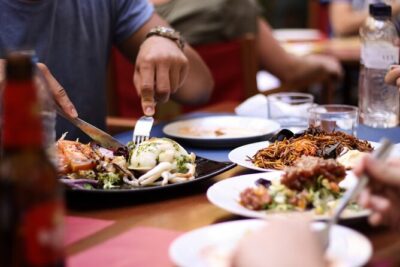
Barcelona Food Tour: Tapas, Paella, Sangria & 8+ Local Tastings
Read our review →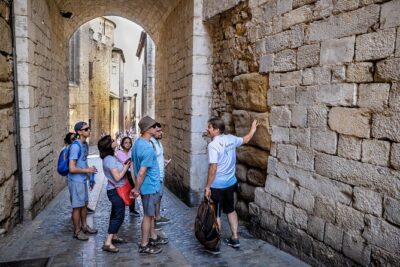
Girona & Costa Brava Small Group Tour From Barcelona with Paella!
Read our review →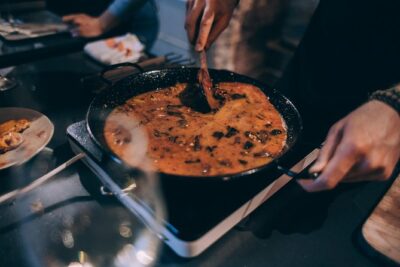
Paella Cooking Class with Professional Chef: Four Course Dinner
Read our review →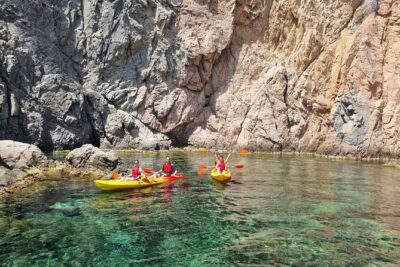
Tossa de Mar: Kayak & Snorkel Tour with Paella from Barcelona
Read our review →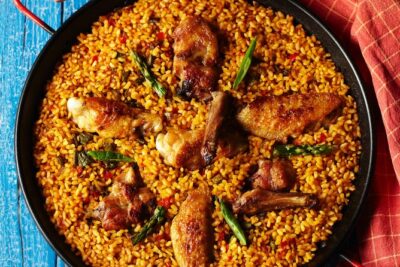
Interactive Paella & Market: Bottomless Wine & Rambla Views
Read our review →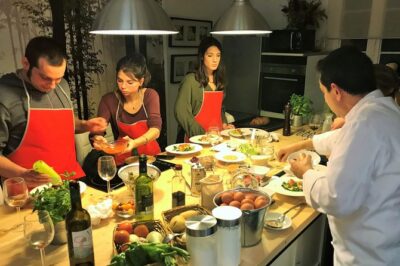
Premium Paella Cooking Class & 10 Spanish Tapas
Read our review →Browse the lists this tour appears in