
Reviewed · BARCELONA
Introduction to Artisan Ceramics
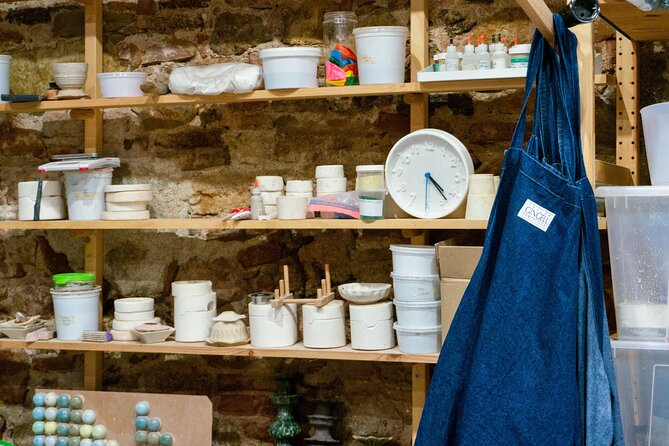
Barcelona has plenty of grand sights, but this small ceramics workshop offers something you can carry home, or at least remember through the work of your own hands. Over about three hours, you learn the basics of clay, shape a cup, bowl, or plate, then add texture and decoration under the guidance of certified artisans Wendy and Eric.
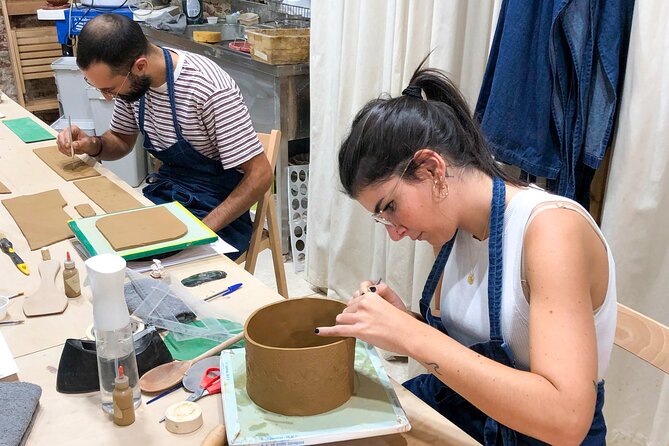
I like the small eight-person limit, which gives you room to ask questions instead of fighting for attention. I also like that the studio provides the clay, tools, apron, glazing, decoration, and kiln firings. The main catch is timing: your piece needs one to two weeks to dry and finish, and shipping costs extra if you cannot return to Barcelona.
Key points at a glance
- Make your own functional piece: Choose a cup, bowl, or plate and shape it by hand.
- Learn from Wendy and Eric: The class teaches basic clay, sculpting, texture, and decoration skills.
- Small group setting: Attendance is capped at eight people, with enough space for personal help.
- Everything is supplied: Aprons, clay, modeling tools, glazing, decoration, and kiln firings are included.
- Plan for the finished piece: Pick it up after about one to two weeks, pay separately for DHL shipping, or choose a finished handmade item valued at €25.
- Suitable for beginners: No previous ceramics skill is required, and most people can take part.
Why This Barcelona Workshop Is Worth Three Hours
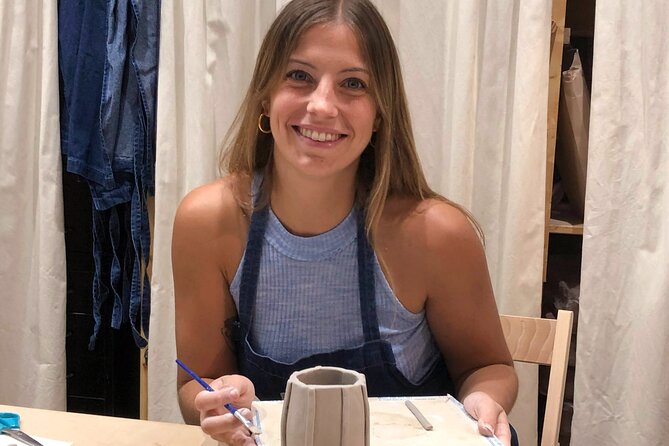
This is not a quick craft demonstration where you watch someone else work. You get clay in your hands and make decisions about shape, thickness, texture, and decoration. That makes the session feel personal, even if your first bowl comes out with a charming wobble.
The class is designed as an introduction. You learn enough to understand the basic ceramics process without needing to commit to a long course or buy equipment. For a first try, that is a smart format. You can test whether clay suits you before spending money on a home setup or a series of lessons.
The price is $58.65 per person. That is not the cheapest three hours in Barcelona, but the fee covers the working materials, use of tools, glazing and decoration, and kiln firings. Since firing clay requires equipment you are unlikely to have access to during a short visit, those inclusions matter. You are paying for instruction and a complete making process, not just a lump of clay and table space.
Other Barcelona days people weigh up beside this one:
- Barcelona: Park Güell Admission Ticket
★ 4.4 · 76,534 reviews - Barcelona: Casa Batlló Entry with Self-Audioguide Tour
★ 4.7 · 25,359 reviews - Barcelona: 24 or 48-Hour Hop-On Hop-Off Bus Tour
★ 4.4 · 20,872 reviews
Arriving at Carrer de Salvà, 71
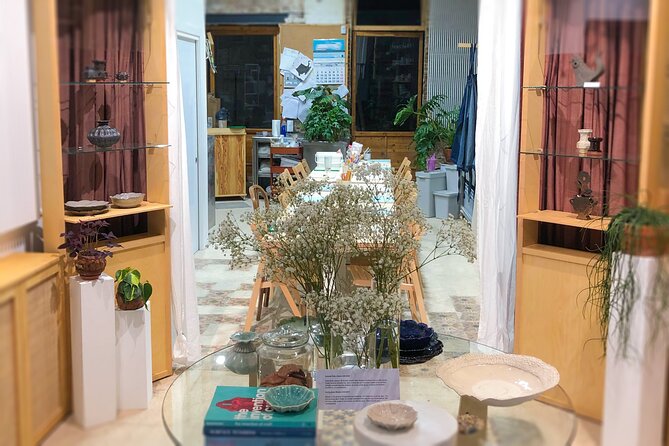
The workshop begins at Carrer de Salvà, 71, in the Sants-Montjuïc district. The activity ends at the same place, so you do not need to arrange a second meeting point or figure out where the class finishes.
The studio is near public transportation, which makes the location practical for a half-day plan. Your booking confirmation arrives at the time of booking, and the activity is offered in English. If you are fitting this into a busy Barcelona schedule, allow the full three hours rather than planning another timed visit immediately afterward.
You do not need to bring special clothing or equipment. An apron is provided, along with the clay and ceramic modeling tools. Still, this is a hands-on class, so clothing you do not mind getting dusty is the sensible choice.
The atmosphere is intended to be open and friendly. You can come alone or with a friend. The small-group format also helps solo participants feel less like they are joining a private gathering already in progress.
Starting With Clay, Tools, and the Ceramics Process
The session begins with an introduction to ceramics, including the different types of clay and the basic process that turns soft material into a finished object. This early explanation is useful because clay can look simple until you have to make something stable, even, and usable.
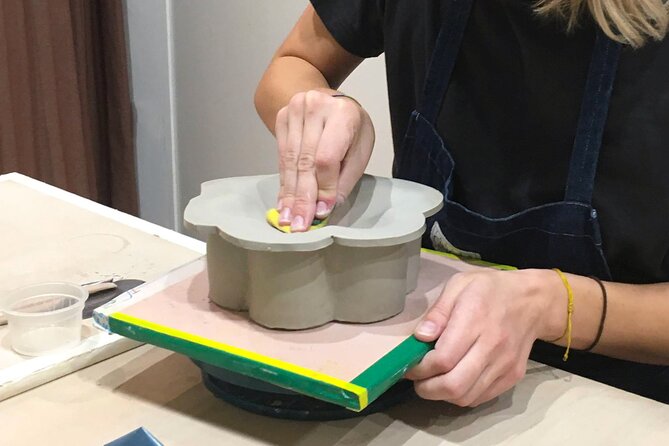
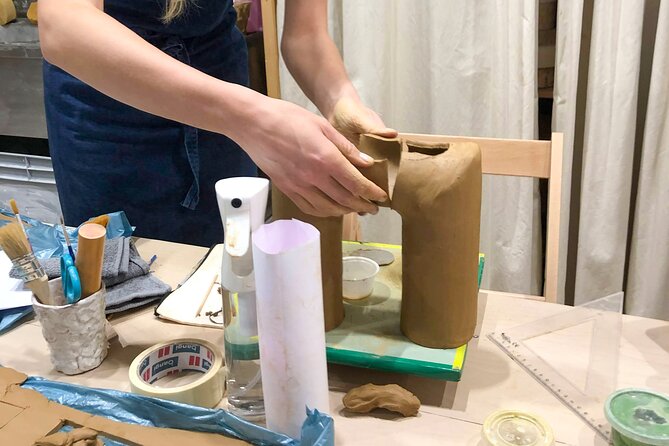
You learn how ceramists work by hand rather than relying on a pottery wheel. The focus is sculpting and forming, so you shape your piece directly with your hands and basic tools. That makes the workshop approachable for beginners who may not know anything about pottery equipment.
Wendy and Eric guide you through the key skills. One especially strong part of the teaching is the chance to ask for help as your form develops. A small error in the early shape can affect the finished cup or bowl, so personal instruction has real value here.
Do not expect a finished object during the class. The clay remains soft at the end, and it must dry before firing and finishing. The reward comes later, which is worth remembering before you promise your new bowl to someone back home.
Shaping a Cup, Bowl, or Plate by Hand
Once the introduction is finished, you choose what to make. The available options are a cup, bowl, or plate. That choice gives you a little creative control without leaving you staring at an empty workbench with no idea where to start.
The hand-building method lets you feel the clay change as you work. You press, shape, smooth, and adjust the form. The process is slower than buying a souvenir, but that is the point. Your final object records the marks and choices made during the session.
A cup may appeal if you want something practical and relatively compact. A bowl gives you more freedom with curves and texture. A plate offers a broader surface for decoration. The supplied details do not promise that every choice will be available in every session, so follow the instructor’s guidance on what works best with the clay.
The class is not presented as a test. No skills are required, and the goal is to give you a foundation for exploring ceramics. That makes it a good choice if you are curious but wary of signing up for a serious course.
A different sort of day out in Barcelona:
- Barcelona: Park Guell Guided Tour with Skip The Line Entry
★ 4.7 · 17,563 reviews - Barcelona in 1 Day: Sagrada Familia, Park Guell,Old Town & Pickup
★ 5.0 · 13,541 reviews - Barcelona Aquarium: Entry Ticket
★ 4.3 · 13,335 reviews - Barcelona: Sagrada Familia Skip-the-Line Entry Ticket & Tour
★ 4.8 · 12,789 reviews
Adding Texture and Decoration
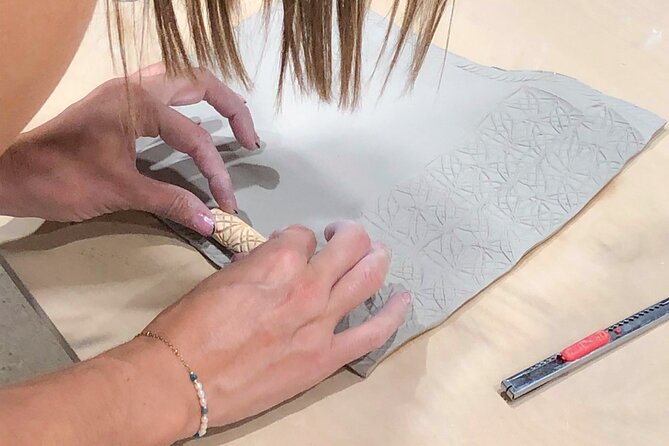
After the main form is complete, you learn how to add texture and decoration. This is where a simple shape can become distinctly yours. You may choose to keep the surface smooth, add marks, or use the available techniques to create a more decorative finish.
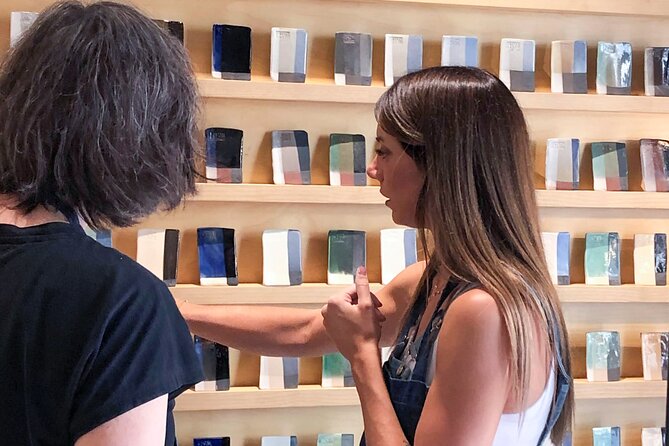
Glazing and decoration are included in the price. That is important because a plain, unfired clay object is not the final result. The finishing stage gives the piece color and a more complete ceramic surface, although the exact final appearance can depend on how the clay, glaze, and firing behave.
The class teaches basic techniques rather than promising professional-level results. That is the honest way to approach it. If you want a perfect piece made by an expert, buy one from a ceramic shop. If you want to understand how a handmade object takes shape and accept a few friendly imperfections, this workshop is the better choice.
The hands-on work also makes the session useful for families, friends, and couples looking for an activity that is more memorable than another café stop. Most people can participate, and service animals are allowed.
What Happens to Your Finished Ceramic Piece
Your work cannot go straight into your suitcase. Ceramics need time to dry, then they must be fired and finished. The normal collection period is about one to two weeks later.
If you are staying in Barcelona, you can return to the workshop to collect your piece. This is the simplest option and avoids shipping charges. It also gives you a reason to pass through the neighborhood again, although the workshop does not provide a separate return activity.
If you are leaving Barcelona before the piece is ready, DHL shipping is available worldwide. Shipping is not included in the $58.65 workshop price, so ask about the cost before you decide. The total price will depend on where you need the item sent, and the supplied information does not specify individual shipping rates.
There is a second choice for people who cannot wait. You can leave your creation and select a finished handmade item valued at €25 instead. This is a practical solution for a short stay, but it means you will not receive the exact piece you shaped. Decide what matters more to you: taking home a ready-made ceramic item or waiting for your own work.
How Wendy and Eric Shape the Class
The teaching is central to the value here. Wendy and Eric are the studio hosts, and the class is led by a certified artisan. Their role is not simply to hand out supplies. They explain the process, demonstrate basic skills, and help you turn an idea into a workable clay form.
The small cap of eight people matters. In a large class, beginners can struggle quietly with a collapsing edge or uneven wall. Here, you have a better chance of getting help before a small problem becomes a complete clay rescue operation.
One session became a one-person class after a change in circumstances. That participant was able to work closely with Wendy and described her teaching as clear and effective, with enough guidance to produce a piece beyond initial expectations. You should not assume every booking will become private instruction, but the example shows how the small format can work when numbers are low.
The workshop also seems suited to people who may want to continue with ceramics later. You leave with a basic understanding of clay, shaping, texture, and finishing, which can help you decide if ceramics deserves more time as a hobby.
Who Should Book This Activity
I would recommend this class to you if you want a creative break from Barcelona’s monuments and museums. It suits first-time potters, couples, friends, solo visitors, and anyone who prefers making something to simply shopping for a souvenir.
It is also a good fit if you want an activity with a clear beginning and end. The session lasts about three hours, the equipment is ready, and the instructor supplies the structure. You do not need to research clay types or bring tools from home.
Book it with care if you have a very short stay. The piece will not be ready immediately, and shipping costs extra. If you cannot return after one to two weeks, choose the finished handmade item option or accept that your own creation will be mailed later.
This is less suitable if you want a wheel-throwing lesson, a highly technical master class, or a guaranteed polished result. The class focuses on hand-building and introductory techniques. Its strength is approachability, not advanced specialization.
Group discounts are available, which may help if you are arranging the activity for several people. The maximum group size remains eight, so larger parties may need to check how the discount and booking arrangement work before committing.
Booking, Cancellation, and Practical Details
The activity is offered in English and uses a mobile ticket, so you can keep the booking on your phone. Confirmation is received at the time of booking.
Free cancellation is available if you cancel at least 24 hours before the scheduled start time. A cancellation made less than 24 hours ahead is not refunded, and changes inside that same window are not accepted. The cut-off follows Barcelona local time, so check the time difference if you are arranging the class before arriving in Spain.
The workshop is near public transportation and ends at the starting address. Most people can participate, and service animals are allowed. The group has a maximum of eight participants.
For the best practical plan, schedule the class when you are not rushing to an airport, train station, or timed attraction. Clay work can be absorbing, and the finished piece requires a later decision about collection, shipping, or exchange.
Is Introduction to Artisan Ceramics a Good Buy?
Yes, if you want a friendly beginner class where you make a real object and learn how ceramics works. The $58.65 price is fair because it includes the clay, apron, tools, decoration, glazing, and kiln firings. The small group and instruction from Wendy and Eric add value that a basic drop-in craft activity may not provide.
The biggest limitation is the delayed finish. You must either return in one to two weeks, pay for DHL shipping, or choose a different handmade item. If you are comfortable with that, book this for a slower, creative side of Barcelona. If you need a souvenir in hand before your flight, choose the finished-item option and plan accordingly.
FAQ
How long does the ceramics workshop last?
The activity lasts approximately three hours.
Where does the workshop begin and end?
It begins at Carrer de Salvà, 71, in the Sants-Montjuïc district of Barcelona, and ends back at the same meeting point.
Do I need previous ceramics experience?
No. The class is designed for beginners, and no ceramics skills are required.
What can I make during the class?
You can choose to make your own cup, bowl, or plate by hand.
Are materials and equipment included?
Yes. The price includes an apron, clay, ceramic modeling tools, glazing, decoration, and kiln firings. WiFi is also provided.
How can I receive my finished ceramic piece?
Your piece is generally ready for collection after about one to two weeks. You can pick it up, arrange DHL shipping at an extra cost, or leave your creation and select a finished handmade item valued at €25.
Recently added around Barcelona
- Montserrat very early : Hiking, Abbey, very small group★ 5.0 · 127 reviews
- Guided Private Yacht Tour in Barcelona Spain★ 5.0 · 6 reviews
- Private Tour from Barcelona to Costa Brava (with guide)★ 5.0 · 5 reviews
- Private Tour from Barcelona to Montserrat (with guide)★ 4.5 · 6 reviews
- Andorra Tour★ 4.0 · 7 reviews
- Barcelona Gaudi Tour: Sagrada Familia, Casa Batllo & Casa Mila★ 5.0 · 4 reviews
- Street Art, Sculptures & Crime Stories Walking Tour – Barcelona★ 5.0 · 11 reviews
- Wine Tasting in Barcelona (Catalan Varieties) Small Groups★ 5.0 · 10 reviews