
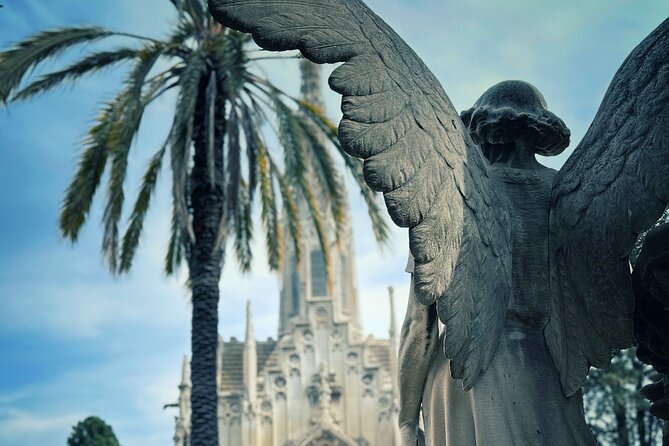
Reviewed · MONTJUïC AND MAGIC FOUNTAIN TOURS
Montjuïc Cemetery Walking Tour – Hidden Art, History & Views
Montjuïc Cemetery is one of Barcelona’s most unusual places to visit: a hillside city of tombs, statues, mausoleums, and narrow paths, often with hardly another tourist in sight. The tour brings you past the grand graves of Barcelona’s old elite and to the Fossar de la Pedrera, a memorial for victims of the Spanish Civil War.
I like the roundtrip car transfer, which saves you from sorting out the route to a cemetery spread across Montjuïc’s slope. I also like the personal scale, with small groups highlighted at up to seven people, though the stated maximum is 15. The main drawback is simple: there are a lot of stairs, mostly down but not all in one steady descent.
Key points at a glance
- Start by the Christopher Columbus monument: Meet near Portal de Santa Madrona, then transfer by car to the cemetery.
- See elaborate Gothic-style tombs: Expect sculptures, angels, skeletons, flowers, and church-like mausoleums.
- Hear stories behind the graves: Guides such as Onno and Yannis connect the monuments to Barcelona’s people and past.
- Visit the Fossar de la Pedrera: This solemn Civil War memorial adds important political and human context.
- Enjoy a rare quiet break: The cemetery offers a calm setting away from Barcelona’s busiest sights.
- Plan for uneven effort: Bring walking shoes and water, and avoid this tour if stairs are difficult for you.
Why Montjuïc Cemetery feels unlike other Barcelona sights
Barcelona is famous for Gaudí, grand boulevards, and crowded landmark interiors. Montjuïc Cemetery offers a different kind of city experience. It is quiet, open, and filled with art that was made for private mourning rather than public display.
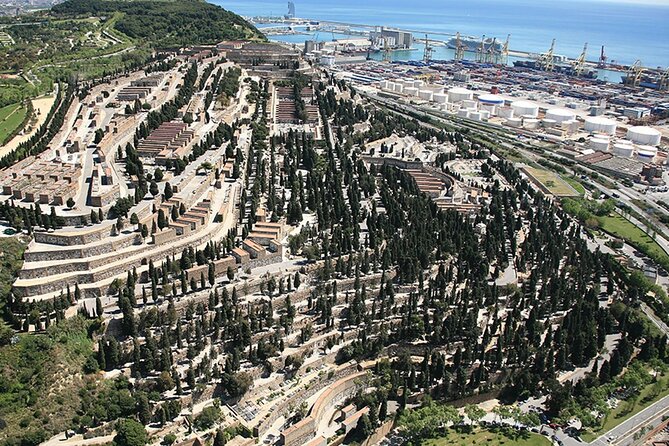
The cemetery climbs the side of Montjuïc, so its paths pass through layers of architecture. You may see large mausoleums that resemble small churches, tightly packed family tombs, carved figures, and elaborate memorials built by wealthy Barcelona families. The scale can feel surprising. This is not a small churchyard that you can cross in ten minutes.
That scale is exactly why a guide helps. Going alone, you could easily miss the most interesting graves or spend your time trying to work out where to go next. The tour focuses on selected parts of the cemetery and explains the people, symbols, and stories connected with them.
I also like the atmosphere. The cemetery is described as one of the city’s least crowded places, and the lack of tour groups changes the mood. You can stop for photos, listen without competing with nearby noise, and look closely at the sculptures. It feels more like a quiet walk through Barcelona’s memory than another stop on a packed sightseeing route.
More Montjuïc and Magic Fountain Tours in Barcelona:
- Barcelona: Poble Espanyol Entry Ticket
★ 4.1 · 3,137 reviews - Barcelona all included: Sagrada, Park Güell, Montjuic & Gothic
★ 5.0 · 2,169 reviews - Barcelona: Walking tour with Montjuic Castle & Cable Car
★ 4.7 · 832 reviews
Meeting near the Columbus monument
The tour begins at Portal de Santa Madrona, at Avinguda del Paral·lel 12, near the waterfront and the Christopher Columbus monument. The meeting point is useful because it is easy to identify and close to the Maritime Museum area.
The first part takes about ten minutes and uses a car to reach Cementerio de Montjuïc. That transfer is an important part of the value. The cemetery is not the sort of place where you want to lose time finding the right entrance, climbing the wrong road, or trying to work out local transport before the tour even starts.
Allow a little extra time to find the exact meeting spot. The start is described as being along the waterfront, just south of the Maritime Museum, so using the full address rather than only searching for the cemetery should make the morning or afternoon easier.
At the end, the car returns you to the same Christopher Columbus monument area. That makes the experience tidy to fit into a day of sightseeing. You can continue toward the waterfront, the Maritime Museum, or the old city without arranging a separate ride back.
Walking through two hours of sculpture and memory
Once inside, the main cemetery walk takes about two hours. The exact order may vary, but the route is designed around the most striking graves and the people buried there.
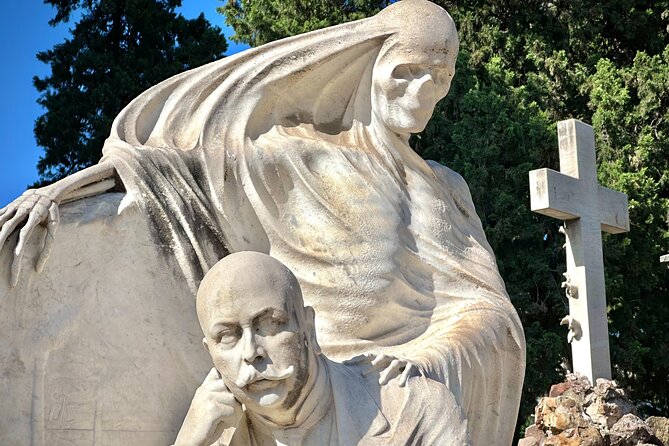
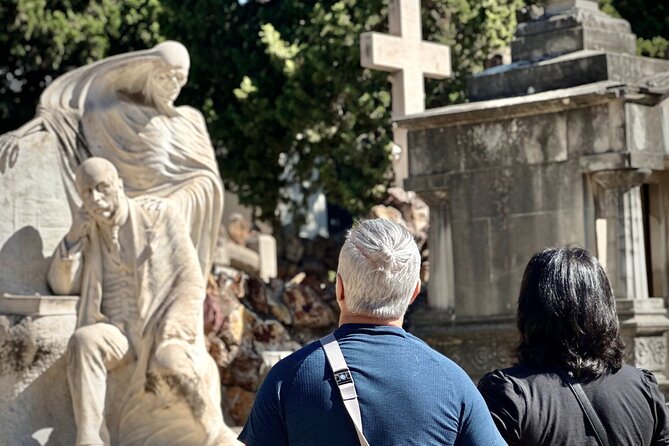
The art is the first thing likely to catch your attention. Expect carved angels, skeletons, flowers, and other symbols of death and remembrance. Some monuments are delicate and theatrical. Others are large, solemn structures with a church-like Gothic look. Together, they show how Barcelona’s prosperous families used architecture to express status, faith, grief, and family identity.
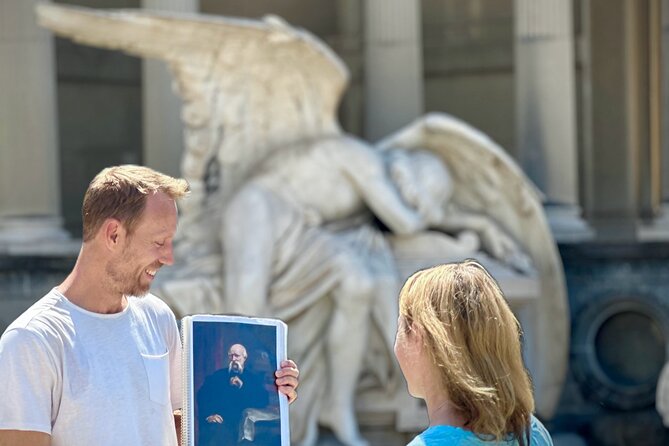
The guide’s role is more than pointing out pretty tombs. The best part of the walk is the link between each monument and a life story. A grave becomes more memorable when you understand who commissioned it, what kind of city that person helped shape, or why the design carries particular symbols.
One especially interesting grave is connected with the man who created Barcelona’s city planning. The exact monument is described as a favorite because of its unusual character. That detail gives the cemetery a useful connection to the city you see outside its walls. Barcelona’s streets and public spaces did not appear by accident, and the people who shaped them are part of this hillside memorial city.
Guides such as Onno and Yannis have led this experience. Onno is noted for a relaxed, funny style and for answering questions from children as well as adults. That matters because cemetery tours can become stiff or overly formal. Here, the tone is intended to be conversational, with room for stories, odd details, and questions.
The Fossar de la Pedrera and the Spanish Civil War
The visit to the Fossar de la Pedrera gives the walk a more serious center. This memorial honors victims of the Spanish Civil War and adds a layer of modern political history to the cemetery’s older tombs.
The ornate graves show how families commemorated their dead across generations. The Fossar de la Pedrera points to a period of violence and public loss that affected Barcelona far beyond individual households. Seeing both parts in one visit helps you understand that the cemetery is not only an open-air art collection. It is also a record of social divisions, mourning, power, and conflict.
Expect this portion to feel quieter and more reflective than the sculpture-focused sections. The guide provides context, which is valuable because a memorial can be easy to pass without understanding its importance. If the Civil War period interests you, this is likely to be one of the most meaningful parts of the morning.
It is also a reason to keep this tour in mind if you have already seen Barcelona’s major churches and museums. The city’s public history is often told through famous buildings and artworks. At Montjuïc Cemetery, you encounter it through funerary monuments and a memorial space.
More Barcelona Walking Tours:
- Barcelona Tapas and Wine Experience Small-Group Walking Tour
★ 5.0 · 5,804 reviews - Barcelona: Tapas Walking Tour with Food, Wine, and History
★ 4.8 · 4,261 reviews - Barcelona Tapas Walking Tour: Food, Wine & History
★ 4.5 · 1,928 reviews - Barcelona: Tapas Food Crawl Walking Tour with Tastings
★ 4.9 · 1,798 reviews
What the stairs are really like
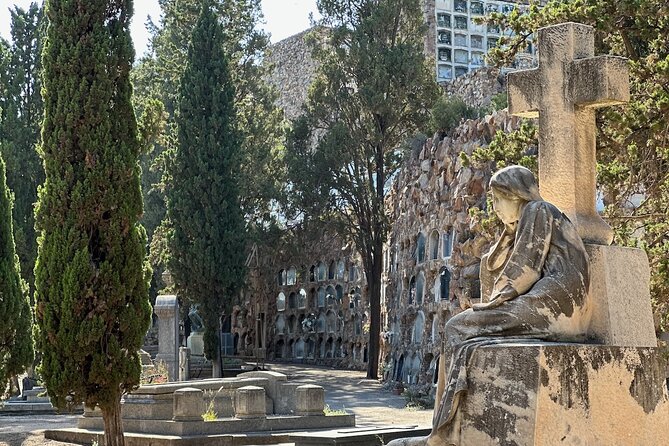
The cemetery sits on a slope, and the tour includes many stairs going both up and down. The route is not a nonstop climb. Several descriptions indicate that it begins near the top and works downhill, which makes the overall effort easier than climbing the entire hill.
Still, downhill stairs can be tiring in their own way, especially on knees. The paths may also require steady footing, so comfortable walking shoes are a must. Bring water. One family with children aged 12 and 14 found that the guide adjusted the pace and answered questions along the way, but that does not remove the physical demands.
This is not a good choice if you struggle with stairs or have limited mobility. Service animals are allowed, and most people can take part, but the stair warning should guide your decision more than the short two-and-a-half-hour duration.
The total time is approximately two hours and 30 minutes, including the transfers. Because the walk includes frequent stops to look at monuments and hear stories, it should not feel like a race. Even so, wear shoes meant for walking rather than city fashion shoes with thin soles.
A small-group experience, with one point to confirm
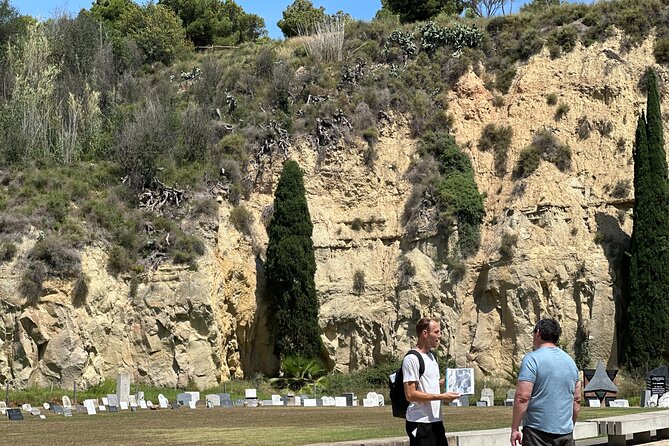
The tour is offered in English and is designed to feel personal. The main description highlights groups of up to seven, while the stated maximum is 15. That difference is worth checking when you book, especially if small-group conversation is a major reason you are choosing it.
A smaller group makes a cemetery tour better. You can hear the guide more easily, ask questions, and stop for photos without holding up a large crowd. It also suits the setting. A group of 20 or 30 people would change the quiet character of the place.
The guides appear to keep the pace informal. The walk can take close to three hours in practice, particularly when the group spends extra time at important graves. That may be welcome if you like photography or local stories, but it is worth leaving space in your schedule afterward.
The tour does not feel aimed at children in particular, yet older children and teenagers can enjoy it if they like unusual places, architecture, or questions about death and history. The guide’s ability to respond to younger visitors is a plus.
Is $47.07 a fair price?
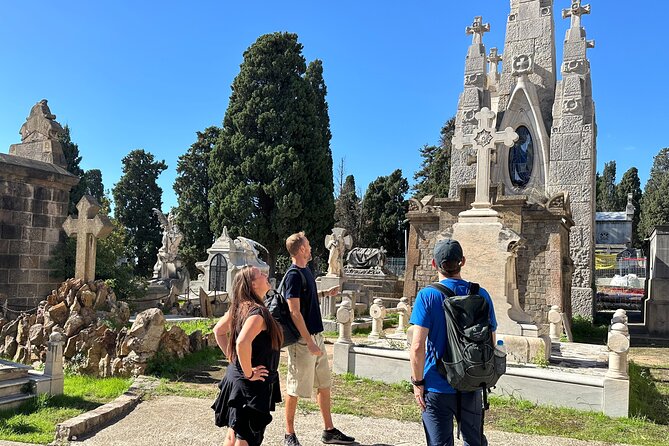
At $47.07 per person, this is not the cheapest way to spend two and a half hours in Barcelona. You are not paying an entrance fee to a major museum. You are paying for the guide, the planning, and the roundtrip transfer to a large place that can be awkward to visit efficiently on your own.
The value is strongest if you want a focused experience rather than a casual wander. A guide saves you from searching through the cemetery for notable graves and gives meaning to details that might otherwise look like decoration. The car transfer also removes a practical nuisance.
I would be less convinced if you are mainly looking for a broad view of Montjuïc or a general city tour. This is a specialized walk. Its appeal depends on your interest in funerary art, local figures, architecture, Barcelona history, and unusual places.
For someone with only three days in Barcelona, the tour can still earn its time if you have already planned the major landmarks or want one experience that feels different. For a first-time visitor who has not yet seen the Sagrada Família, Park Güell, or the Gothic Quarter, those may deserve priority. But if you want one quiet break from busy streets, this cemetery gives you something the standard route does not.
Practical details before you reserve
The tour requires a minimum number of participants. If that number is not reached, the operator offers another date or experience, or a full refund. Poor weather can also lead to a new date or full refund, since much of the visit takes place outdoors.
You receive confirmation at booking, and the activity is available with a mobile ticket. It is offered in English. Gratuities for the guide are not included, so plan for that separately if you feel the service deserves it.
Free cancellation is available up to 24 hours before the start time. Cancellations or changes made within 24 hours are not refunded, so do not leave this booking loose if your Barcelona plans are uncertain.
The tour is not designed around accessibility. Most people can participate, but the many stairs make it unsuitable for anyone who has trouble going up or down them. If that is a concern, ask before booking rather than relying on the short duration.
Who will enjoy this cemetery walk most?
I would choose this tour if you like:
- Funerary sculpture, old cemeteries, and Gothic architecture
- Local stories tied to real people and city development
- Civil War history and memorial sites
- Quiet places away from Barcelona’s main crowds
- Photography, especially detailed stonework and unusual monuments
- Small-group walks with room for questions
I would skip it if you want a flat route, a fast overview, or a lively food-and-neighborhood experience. The cemetery is beautiful, but beauty here comes with solemn subjects and physical effort.
You should also expect the mood to shift. Some moments are light, especially when the guide explains eccentric symbols or unusual stories. Other sections, especially the Fossar de la Pedrera, call for respect and quiet attention.
Should you book Montjuïc Cemetery Walking Tour?
Book it if you want Barcelona beyond its famous Gaudí sites. The combination of ornate tombs, local biographies, a Civil War memorial, and a car transfer creates a well-focused half-day experience.
The strongest reasons to go are the rare lack of crowds and the guide’s storytelling. Onno and Yannis are named guides associated with the experience, and the guiding style is personal, informal, and story-led. You will also have time to look closely and take photos rather than being hurried from one point to the next.
The main decision comes down to stairs and subject matter. If you can handle the uneven downhill walk and enjoy a cemetery as a place of art and history, $47.07 is a fair price for the transport and guidance. If stairs are a problem, or if you prefer bright, lively sightseeing, choose another Barcelona activity.
FAQ
Where does the Montjuïc Cemetery tour begin?
It begins at Portal de Santa Madrona, Avinguda del Paral·lel 12, near the Christopher Columbus monument and the waterfront in Barcelona.
How long does the experience last?
The total duration is about two hours and 30 minutes. The cemetery portion lasts about two hours, with roughly ten minutes for the transfer there and a short return to the meeting point.
Is transportation to the cemetery included?
Yes. Roundtrip transport by car between the Christopher Columbus monument area and Cementerio de Montjuïc is included.
Is the tour offered in English?
Yes. The experience is offered in English with a live guide.
How difficult is the walking route?
The tour includes many stairs going both up and down. The route is not continuously steep and generally begins near the top before working downhill, but it is not recommended for people who have difficulty with stairs.
What is the cancellation policy?
You can cancel up to 24 hours before the start time for a full refund. Cancellations or changes made less than 24 hours before the experience are not refunded. Poor weather or failure to reach the minimum number of participants can lead to a different date or a full refund.
More Barcelona History Walks
- Barcelona: 2.5-Hour Bike or E-Bike Historical Tour
★ 4.5 · 1,262 reviews - Barcelona Erotic Museum – Explore Art, History & Fun
★ 4.4 · 450 reviews - Andorra Original History and Sightseeing Tour (Private, Pickup)
★ 5.0 · 350 reviews - Barcelona: Dark History Night Walking Tour
★ 4.8 · 344 reviews
Recently added around Barcelona
- Montserrat very early : Hiking, Abbey, very small group★ 5.0 · 127 reviews
- Guided Private Yacht Tour in Barcelona Spain★ 5.0 · 6 reviews
- Private Tour from Barcelona to Montserrat (with guide)★ 4.5 · 6 reviews
- Private Tour from Barcelona to Costa Brava (with guide)★ 5.0 · 5 reviews
- Andorra Tour★ 4.0 · 7 reviews
- Barcelona Gaudi Tour: Sagrada Familia, Casa Batllo & Casa Mila★ 5.0 · 4 reviews
- Street Art, Sculptures & Crime Stories Walking Tour – Barcelona★ 5.0 · 11 reviews
- Wine Tasting in Barcelona (Catalan Varieties) Small Groups★ 5.0 · 10 reviews
Montjuïc and Magic Fountain Tours, compared.
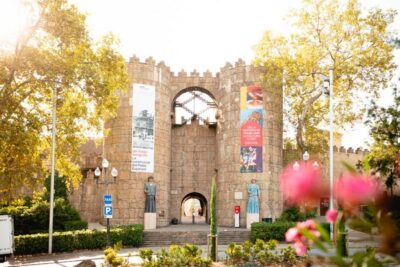
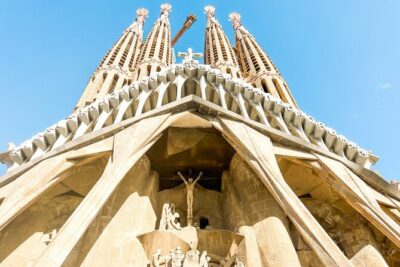
Barcelona all included: Sagrada, Park Güell, Montjuic & Gothic
Read our review →

E-Bike Tour with Montjuic Cable Car & Boat Ride
Read our review →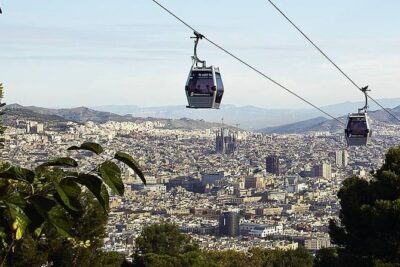
Old Town, Montjuic Castle, Cable Car Small Group Tour
Read our review →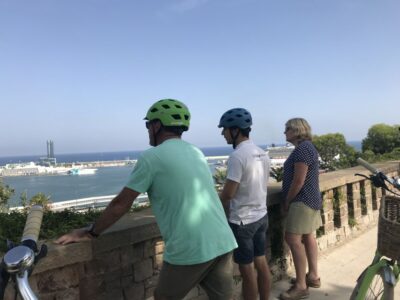


Barcelona E-Bike Guided Tour with Montjuic Hill
Read our review →Browse the lists this tour appears in