
Reviewed · BARCELONA
A Day in Sants Feasting Off the Grid
Barcelona’s Sants district gives you something the city center often cannot: a look at everyday Barcelona through its food. This five-hour walk moves from the 1913 Mercat de Sants to old bodegas, pastry shops, local restaurants, and a former textile factory now used as a community cultural center. You get traditional food with local context, not a checklist of famous sights.
I like the small maximum of seven people, which leaves room for questions and keeps the group from taking over a shop or bar. I also like the mix of old and new, from vermut among wine casks to newer culinary projects. The main drawback is clear: if you want Gaudí buildings, famous tapas bars, or a fast tour of central Barcelona, this is not your match.
Key points to know
- Mercat de Sants starts the day with breakfast: Begin inside a neighborhood market that has served Sants since 1913.
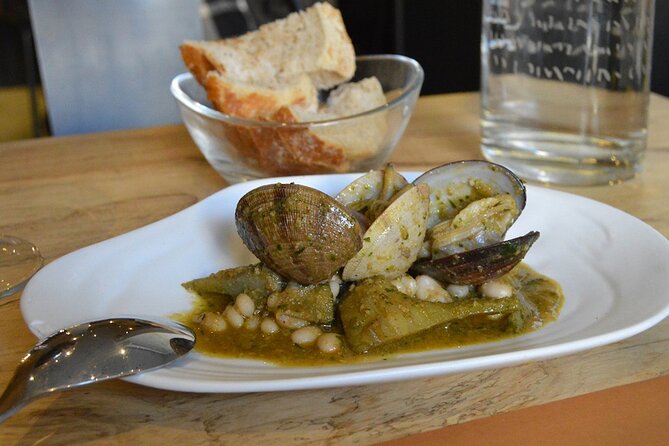
- The food follows local habits: Expect seasonal dishes, vermut, tapas, handmade sweets, lunch, and drinks rather than one formal restaurant meal.
- Sants feels far from the tourist route: You explore a working district with boutiques, food shops, old bars, and community spaces.
- The group is capped at seven: That makes it easier to ask questions and follow the guide through compact local businesses.
- Can Batlló style community life shapes the finish: The final stop focuses on local organizing and a former textile factory turned cultural center.
- The $160 price covers plenty of eating: Snacks, alcoholic drinks, and lunch are included, but private transportation is not.
Why Sants makes a better food story than another central tapas crawl
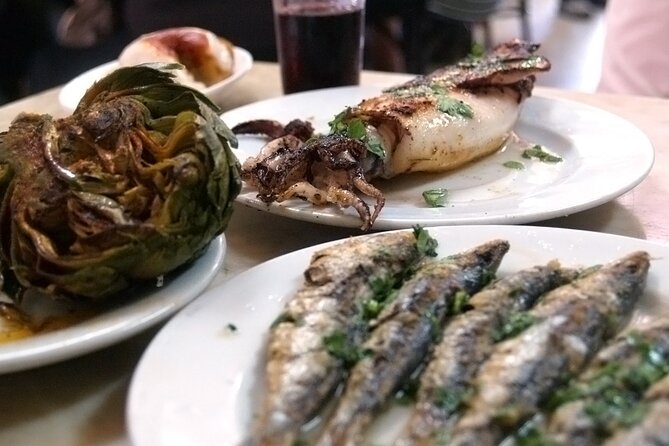
Sants is a useful choice if you have already seen Barcelona’s headline sights or simply want your meals to tell you something about the city. The district has a strong working-class identity and a long connection to local commerce, food production, and community action.
You will not spend the morning chasing the most photographed buildings. Instead, you walk through a neighborhood where markets still matter, small food shops still serve regular customers, and older bars continue to pour vermut. That gives the experience a grounded feel. The point is not to avoid Barcelona’s famous architecture forever. It is to see how the city works away from the usual postcard route.
The tour runs for about five hours, starting at 9:00 a.m. and returning to the same meeting point on Carrer de Sants. That timing matters. You begin with breakfast, continue through several tastings, and finish with more food and a drink. You should arrive ready to eat, not after a large hotel breakfast.
Other Barcelona days people weigh up beside this one:
- Barcelona: Park Güell Admission Ticket
★ 4.4 · 76,534 reviews - Barcelona: Casa Batlló Entry with Self-Audioguide Tour
★ 4.7 · 25,359 reviews - Barcelona: 24 or 48-Hour Hop-On Hop-Off Bus Tour
★ 4.4 · 20,872 reviews
Starting at Mercat de Sants after 9:00 a.m.
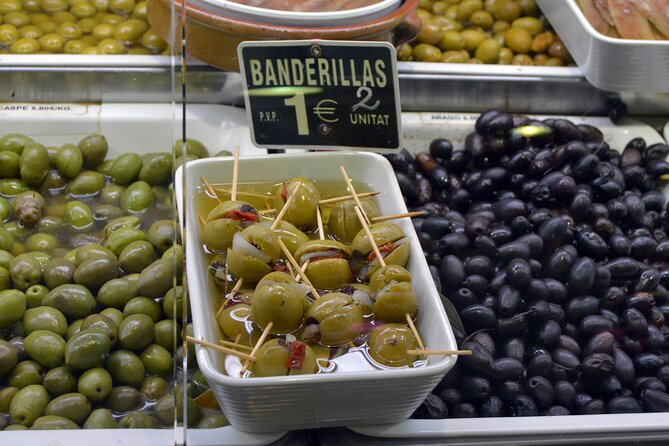
The first major stop is Mercat de Sants, a neighborhood market operating since 1913 and recently restored. Markets are often the best place to understand a city’s food habits because they show what people buy for home cooking, not just what restaurants serve to visitors.
Here, breakfast is more than a quick pastry and coffee. You sample what the vendors offer inside the market, with the guide explaining how the food fits into local life. The exact selection can change, since the food is tied to what is available from vendors and the season.
I like this opening because it gives the day a clear rhythm. You start with a proper bite, learn the neighborhood’s commercial history, and then move outward into the surrounding streets. You are not simply being handed food at fixed points. You are seeing where the ingredients and daily shopping habits begin.
The market stop also gives you a useful orientation to Sants. Since the tour begins at Carrer de Sants, 109, you should plan your route before the start time and leave enough margin to arrive by 9:00 a.m. The activity is near public transportation, but private transportation is not included.
Walking La Bordeta through old bars and newer food projects
The La Bordeta portion forms the heart of the experience. Over roughly two hours, you visit food shops, bakeries, chocolate shops, restaurants, and old-school bodegas. The route is designed to show both the Sants of earlier decades and the neighborhood developing today.
One of the most appealing stops is a traditional vermuteria or bodega. You can expect vermut with tapas, often enjoyed around old wine casks and in a setting that feels quite different from a polished cocktail bar. Vermut is not just a drink here. It is part of a social habit, a relaxed pause tied to conversation and small plates.
The tour also includes small bakeries and chocolate shops where you taste handmade sweets. These stops add some variety after the savory food. They also let you see the kind of specialist businesses that are easy to miss when you walk only between major attractions.
Restaurants and food shops along the route serve dishes that change with the season. That is good news if you care about food that reflects its place and time. It also means you should not expect a fixed menu that can be guaranteed far in advance. The experience is built around what these businesses are serving when you visit.
The newer culinary projects give the route some contrast. You move between older institutions and more current ideas without making the tour feel like a competition between traditional and modern Barcelona. I find that balance more useful than a food walk that treats the past as perfect and the present as fashionable.
The final stop and Sants community spirit
The last hour centers on a large 19th-century textile factory that spent decades unused before local people transformed it into a cultural center. The stop is also associated with a bar and microbrewery, so the day ends with another drink and more food rather than a lecture in an empty industrial building.
This part adds a social layer that many food tours miss. You learn about community organizing in Sants and why local residents have worked to protect and reuse spaces in the district. Food becomes the entry point, but the larger subject is who gets to shape a neighborhood.
The experience description identifies this portion with Mercat de Sant Antoni, while the details focus on the converted textile factory and cultural center. You should think of the final stop as a Sants community project rather than a standard market visit. The emphasis is on local history, shared space, and the neighborhood’s identity.
I especially like the way this ending gives the tour a point of view. You are not just eating your way through a collection of businesses. You are learning why Sants feels different from the tourist core, even though it remains within Barcelona.
A different sort of day out in Barcelona:
- Barcelona: Park Guell Guided Tour with Skip The Line Entry
★ 4.7 · 17,563 reviews - Barcelona in 1 Day: Sagrada Familia, Park Guell,Old Town & Pickup
★ 5.0 · 13,541 reviews - Barcelona Aquarium: Entry Ticket
★ 4.3 · 13,335 reviews - Barcelona: Sagrada Familia Skip-the-Line Entry Ticket & Tour
★ 4.8 · 12,789 reviews
What the $160 price gets you
At $160 per person, this is not a cheap snack crawl. It is a half-day food and neighborhood experience with snacks, alcoholic drinks, and lunch included. You are paying for the quantity of food, the guide’s planning, and access to small businesses and local settings that are difficult to connect on your own.
The value depends on how you travel. If you want one substantial meal and a few tastings, you may find the price high. If you would otherwise book breakfast, lunch, several drinks, desserts, and independent visits across Sants, the cost becomes easier to justify.
The small group also matters. A maximum of seven people is a major advantage in market aisles, bakeries, and compact bars. You can ask questions without having to compete with a large crowd, and the guide has a better chance to explain the food and history in a natural way.
The price does not include private transportation, but the tour is near public transportation and starts and ends at the same meeting point. That keeps the logistics fairly simple. You need to handle your own journey to Carrer de Sants, 109, then follow the walking route from there.
Food first, history close behind
The strongest part of this tour is the way food and history work together. You learn about Sants through its market, older bars, food shops, and community spaces. Each setting gives the guide something concrete to discuss.
A good example is the contrast between a 1913 market and a repurposed textile factory. One represents long-running neighborhood commerce. The other shows how residents have found a new use for an old industrial site. Between them, the bakeries, bodegas, restaurants, and boutiques fill in the daily details.
The food itself is described as traditional, locally sourced, seasonal, and Spanish. You should expect an assortment rather than a single grand meal. Snacks and lunch are included, along with alcoholic beverages, so pace yourself early in the day.
If you do not drink alcohol, the included drinks may offer less value to you, although the food and cultural content remain central. The tour information does not specify nonalcoholic substitutions, so you should ask the provider before booking if that matters.
A good fit for curious eaters, not landmark collectors
I would choose this tour for someone who has already visited Barcelona’s main sights, or for a first-time visitor who prefers neighborhoods to monuments. It suits people who enjoy small businesses, local food traditions, and conversation with a guide.
The group size makes it a practical pick for solo visitors and couples who do not want a large organized outing. It can also work well for friends who want to eat steadily through a morning and afternoon, rather than stop for one formal lunch.
You may want to skip it if your priority is architecture. The tour does not promise Gaudí buildings or a parade of famous Barcelona landmarks. It also may not suit a very selective eater, since the menu changes with the season and the experience is built around sampling what local businesses are serving.
Wear comfortable walking shoes and arrive hungry, but not starved. Five hours of food tastings and walking is easier when you start with a modest breakfast or no breakfast at all. Since the experience requires good weather, bring sensible clothing for an outdoor walking route.
The guide makes the difference
The guide is expected to bring together food, local history, and the wider story of Barcelona. One particularly strong account describes a guide who was warm, enthusiastic, and able to explain the food without snobbery or showy restaurant language.
That is the right approach for Sants. The district’s appeal is not based on expensive presentation. It comes from familiar dishes, long-running shops, seasonal cooking, and the way people use neighborhood spaces. The best guiding here means helping you notice those details without turning them into a museum display.
Because the group is limited to seven, you should have several chances to ask about the food, the neighborhood, or Barcelona more broadly. The small format also allows the pace to feel less mechanical than a large food tour.
The tour has a five-star rating from 32 ratings, with 100 percent recommending it. That is a strong record, though the experience will still depend on your taste, appetite, and interest in a less famous district.
Booking, cancellation, and practical details
You receive confirmation at booking, and the activity is offered in English. Most people can participate, and the route is near public transportation.
Free cancellation is available up to 24 hours before the start time for a full refund. Cancellations or changes made less than 24 hours before the 9:00 a.m. start are not accepted for a refund.
The tour may be canceled if weather is poor or if the minimum number of participants is not met. In either case, you are offered another date or experience, or a full refund. Since the tour takes place mainly around neighborhood streets and businesses, checking the forecast before you go is sensible.
The experience is booked around 50 days in advance on average. That suggests you should reserve ahead if your Barcelona dates are fixed, particularly because the group is capped at seven.
Should you book A Day in Sants Feasting Off the Grid?
Book it if you want to eat well while learning how a Barcelona neighborhood functions beyond the center. The market breakfast, vermut stops, handmade sweets, seasonal dishes, and community cultural center create a full picture of Sants, not just a list of tastings.
The $160 cost is fair for a five-hour small-group experience with lunch, snacks, and drinks, but it is not aimed at budget diners. You are paying for access, context, and a carefully connected route through local businesses.
Skip it if you want Gaudí, famous tapas, or a quick introduction to Barcelona’s essential sights. Choose it if you are curious about the city behind the major attractions and like the idea of spending a long morning eating, walking, asking questions, and seeing a more ordinary side of Barcelona.
FAQ
Where does the tour start?
The tour starts at Carrer de Sants, 109, in the Sants-Montjuïc district of Barcelona.
What time does the tour begin?
The start time is 9:00 a.m.
Where does the tour end?
The activity ends back at the meeting point.
How long does the tour last?
The tour lasts approximately five hours.
How many people can join the tour?
The activity has a maximum of seven participants.
Is food included?
Yes. Snacks and lunch are included.
Are alcoholic drinks included?
Yes. Alcoholic beverages are included.
Is private transportation included?
No. Private transportation is not included, though the meeting point is near public transportation.
Recently added around Barcelona
- Barcelona Jewish & Gothic Tour★ 5.0 · 18 reviews
- Welcome Tour in Barcelona★ 5.0 · 8 reviews
- Barcelona 1-hour Boat Trip with Cava and Snacks★ 5.0 · 19 reviews
- Walking Tour Mysteries and Legends of Barcelona and its Ghosts★ 5.0 · 3 reviews
- WINE TOUR PRIORAT: Visit 2 Top Wineries, Wine Tasting & Gourmet Lunch★ 5.0 · 3 reviews
- Wine & Cava Penedes Tour: Wineries, Wine Tasting and Tapas★ 5.0 · 5 reviews
- Visit with tasting of Vicens nougat and Jolonch chocolates★ 5.0 · 4 reviews
- Viticulture and Wine-Tasting 3-Hour Trip from Barcelona★ 4.5 · 59 reviews